Preliminary tests point to a possible toxic substance, but authorities say there is no threat to human health.
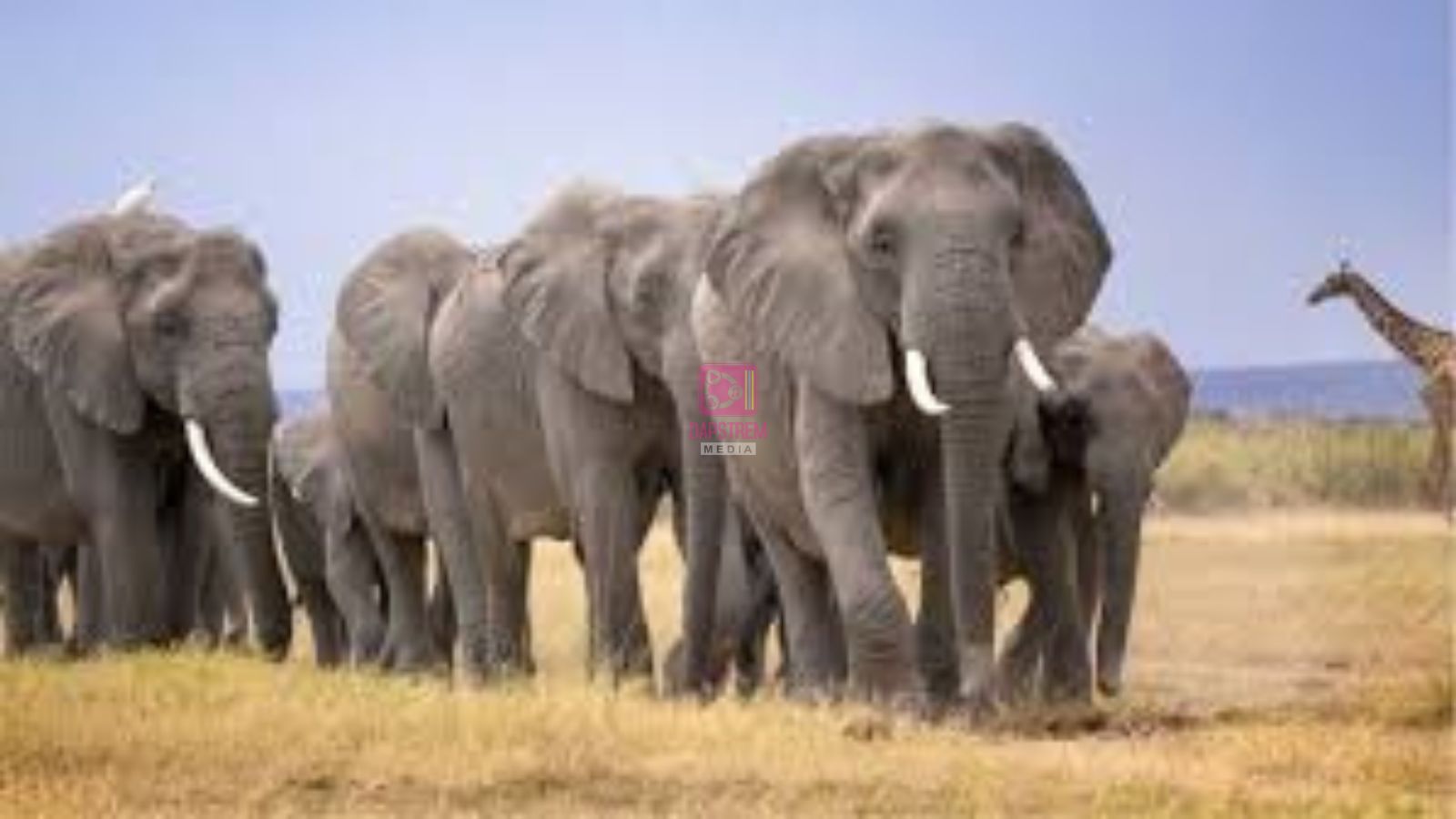
Kenya’s wildlife conservation community is on high alert following the mysterious deaths of 15 elephants in the Amboseli ecosystem, prompting an intensive investigation by the Kenya Wildlife Service (KWS).
According to KWS, the elephant deaths were recorded between June 24 and July 24, 2026, across Amboseli National Park, Kimana Sanctuary, and the Kuku Ranch area. Wildlife experts have described the incident as unusual, particularly because many of the affected animals displayed similar symptoms before dying.
Signs of a Possible Toxic Substance
Preliminary laboratory analysis conducted by the University of Nairobi detected what officials described as a potential toxic substance in samples collected from several of the elephants. However, authorities have cautioned that the findings are not yet conclusive.
Initial tests carried out by the Government Chemist did not detect the toxins screened during the first round of analysis. Scientists are now conducting additional toxicological and environmental tests to determine the exact cause of the deaths and identify whether the elephants were exposed to a common contaminant.
Unusual Symptoms Raise Concern
KWS reported that ten of the elephants exhibited similar clinical signs, including partial paralysis that left them unable to stand. Most of the affected animals died within one to two days after the symptoms appeared.
The deaths primarily involved adult female elephants and their calves, while only one adult male was among the recorded fatalities. Five carcasses were too decomposed or had already been scavenged, making it impossible for veterinarians to determine their exact cause of death.
Environmental Investigations Underway
Veterinary teams have expanded the investigation beyond laboratory testing. Water sources and other environmental factors within the Amboseli ecosystem are being examined to establish whether the elephants encountered a shared source of contamination.
KWS has also intensified surveillance across the ecosystem while monitoring the health of other elephant herds to detect any additional cases.
No Risk to Human Health
Despite growing public concern, KWS has reassured residents and visitors that there is no evidence the incident poses a risk to human health. Officials say the condition has only been observed in the affected elephants, with no indication that it can be transmitted to people.
Conservation Concerns
Amboseli is one of Africa’s most iconic wildlife destinations and is internationally renowned for its large elephant population and spectacular views of Mount Kilimanjaro. Conservationists say identifying the cause of these deaths is critical to protecting one of Kenya’s most valuable wildlife populations.
As investigations continue, KWS has pledged to work with scientific experts to establish the definitive cause of the deaths and implement any necessary conservation measures.