
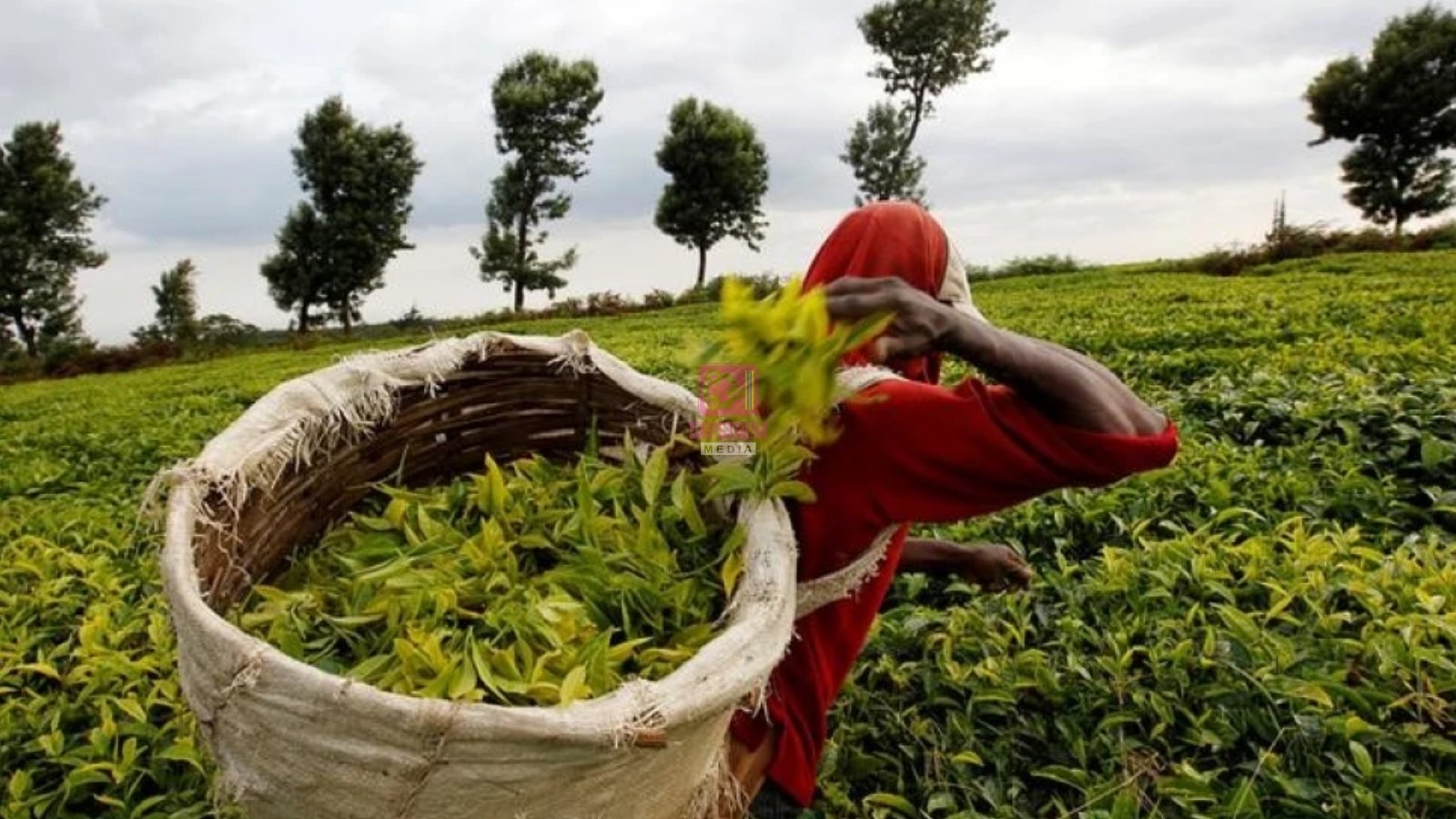
Kenya’s tea industry, one of the country’s largest foreign exchange earners and a source of livelihood for more than 650,000 smallholder farmers, is facing renewed pressure following the introduction of a 0.8 percent tea export levy. The levy has sparked sharp opposition from industry players, with Kenya Tea Development Agency (KTDA) Chairman Chege Kirundi Njeru leading calls for its removal, arguing that it is eroding Kenya’s competitiveness in the global tea market.
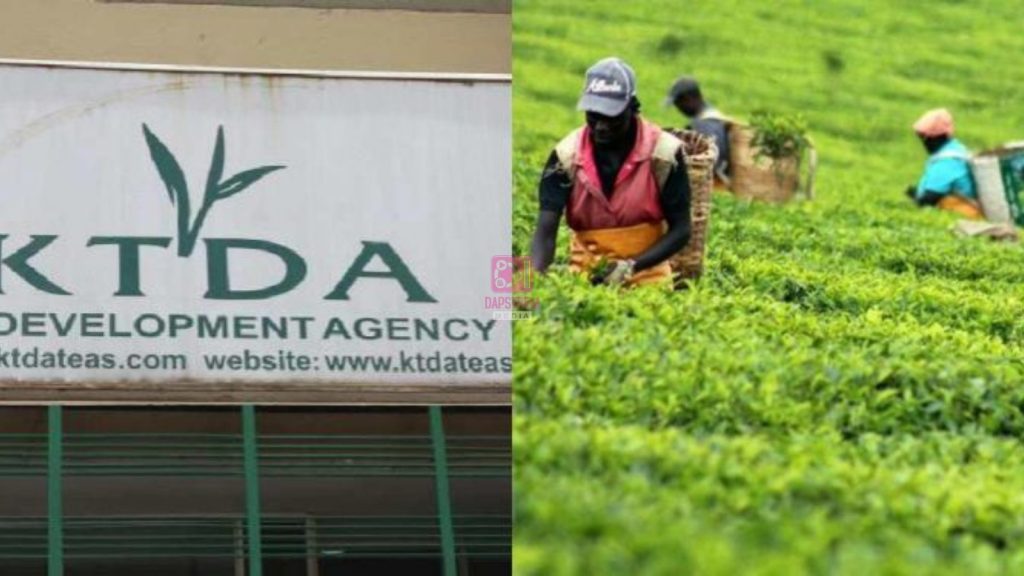
Speaking amid growing concern over declining tea prices and shrinking export opportunities, Njeru said the levy has increased the cost of doing business for exporters at a time when Kenya is already grappling with stiff competition from tea-producing nations such as India, Sri Lanka, Uganda and Rwanda. He warned that the additional charge is ultimately hurting farmers, despite being officially imposed on exporters.
A Costly Burden on an Already Competitive Industry
The controversial levy was introduced to finance activities undertaken by the Tea Board of Kenya, including market development, regulation, research and infrastructure improvements. Supporters argue that these investments are necessary to strengthen the sector in the long term.
However, KTDA maintains that the levy has had the opposite effect by increasing the overall cost of Kenyan tea in international markets. Exporters contend that buyers are increasingly turning to competing origins where similar levies do not exist or where production costs are significantly lower.
According to Njeru, tea buyers operate in an extremely price-sensitive market. Even marginal increases in export costs can influence purchasing decisions, particularly in bulk tea trading where contracts are negotiated on narrow margins.
“Every additional cost imposed on tea exports reduces our competitiveness and eventually lowers returns to farmers,” Njeru has argued in opposing the levy.
Farmers Bear the Ultimate Cost
Although the levy is charged at the export level, industry stakeholders argue that exporters inevitably pass the additional costs down the value chain. This translates into reduced earnings for tea factories and, ultimately, lower payments to smallholder farmers.
Tea remains Kenya’s leading agricultural export, generating billions of shillings annually and supporting millions of people directly and indirectly. Any reduction in export earnings therefore has significant economic consequences, especially in tea-growing counties such as Kericho, Bomet, Nyeri, Murang’a, Kirinyaga, Embu, Meru and Kiambu.
Farmer representatives have warned that declining bonuses, coupled with rising production costs for fertilizer, labour and transportation, are already squeezing household incomes. The export levy, they argue, adds another financial burden to an industry that is struggling to maintain profitability.
Competition in Global Markets Intensifies
Kenya is the world’s largest exporter of black CTC (Crush, Tear, Curl) tea, with major export destinations including Pakistan, Egypt, the United Kingdom, Sudan, the United Arab Emirates and other Middle Eastern and North African markets.
However, global competition has intensified over the past decade.
Countries such as India and Sri Lanka continue to diversify into value-added specialty teas, while Uganda and Rwanda have steadily improved quality and increased production. Buyers increasingly compare prices across producing countries, making cost competitiveness a decisive factor in securing contracts.
Industry experts warn that additional export costs could encourage international buyers to source tea elsewhere, particularly when alternative suppliers offer similar quality at lower prices.
Political and Industry Opposition
Opposition to the levy extends beyond KTDA.
Members of Parliament serving on the Agriculture Committee have questioned both the legality and economic justification of the levy, arguing that Parliament had not approved its implementation under the Tea Act. Several legislators have warned that farmers should not shoulder additional charges without clear evidence of direct benefits.
Similarly, the East Africa Tea Growers Association has cautioned that the levy could reduce Kenya’s competitiveness in international markets and diminish returns to producers.
Tea Board Defends the Levy
The Tea Board of Kenya has defended the policy, insisting that the levy is intended to strengthen the tea sector rather than burden farmers.
Board officials argue that revenue generated from the levy will finance market promotion, research, quality assurance, infrastructure development and regulatory oversight, investments they believe will ultimately improve farmer incomes over time.
The regulator has also clarified that the levy is charged on exporters rather than directly on farmers, although critics dispute the practical impact of this distinction.
Beyond the Levy: Structural Challenges
While the export levy has become the focal point of the current debate, analysts note that Kenya’s tea industry faces broader structural challenges that require comprehensive reforms.
These include:
Heavy dependence on bulk tea exports instead of value-added branded products.
Limited diversification into premium specialty teas.
Rising costs of production, including fertilizer, labour and energy.
Climate change, which continues to affect tea yields and quality.
Heavy reliance on traditional export markets vulnerable to geopolitical instability.
Industry leaders have called for greater investment in value addition, branding and market diversification to reduce reliance on auction sales and improve earnings.
The debate surrounding the 0.8 percent export levy underscores a broader policy dilemma: how to fund regulation and industry development without undermining the competitiveness of one of Kenya’s most valuable agricultural exports.
KTDA Chairman Chege Kirundi Njeru believes the solution lies in eliminating policies that increase export costs while focusing on expanding markets and enhancing value addition. Supporters of the levy, meanwhile, argue that sustainable financing is essential for long-term sector growth.
As consultations continue between government, regulators, exporters and farmers, the outcome will have significant implications for Kenya’s tea industry. With tea contributing substantially to foreign exchange earnings and rural livelihoods, striking the right balance between regulation and competitiveness will be crucial to safeguarding the sector’s future in an increasingly competitive global marketplace.