
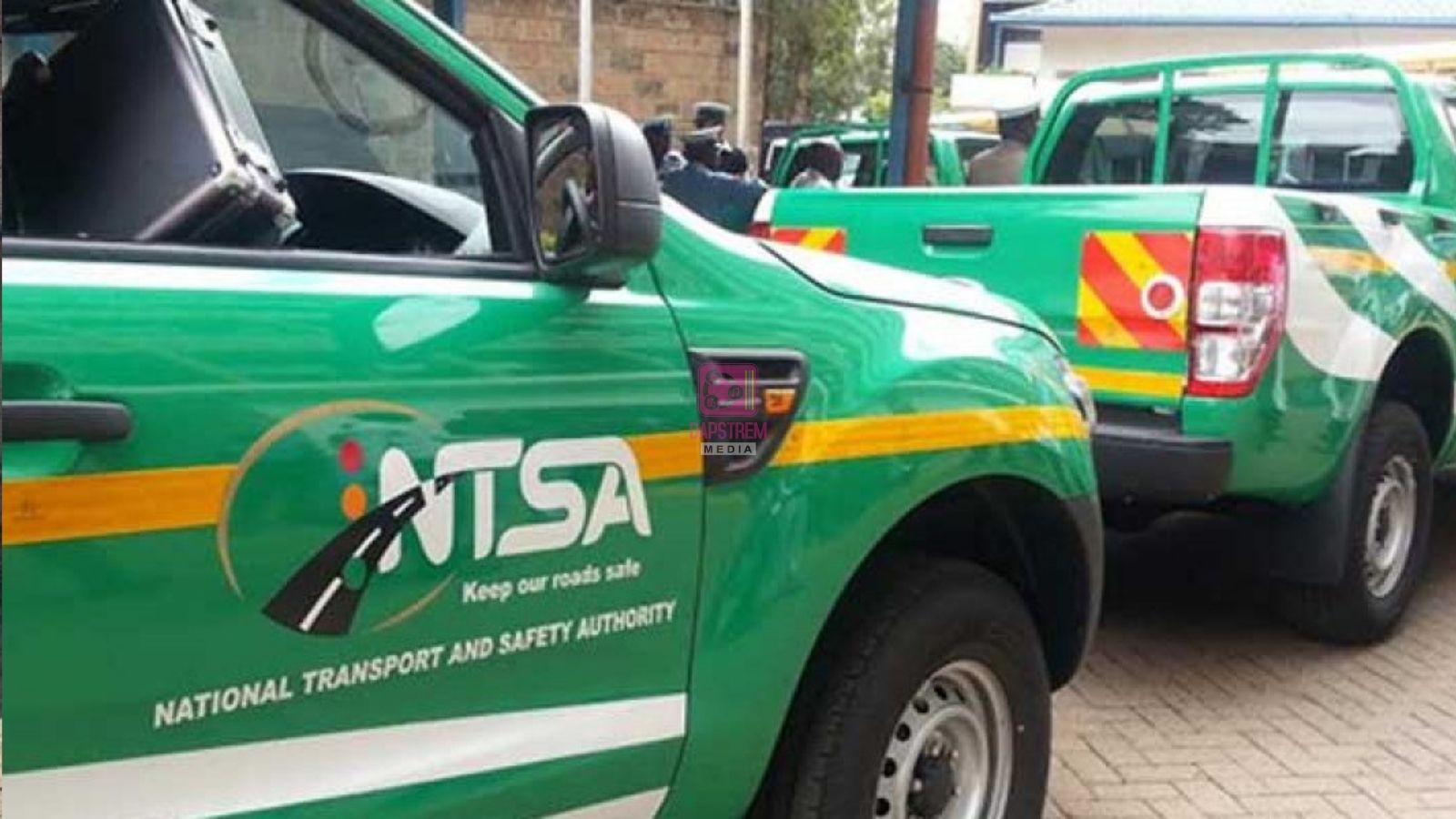
NTSA clarifies that traffic police will not enforce the mandatory annual vehicle inspection requirement during routine road checks, saying implementation guidelines and enforcement procedures will be communicated to the public at a later date.
The National Transport and Safety Authority (NTSA) has moved to reassure motorists following widespread public concern over its recently announced mandatory annual vehicle inspection requirements, clarifying that traffic police officers will not enforce the new inspection rule during routine road checks.
The clarification comes just days after the Authority announced that all private motor vehicles older than four years would be required to undergo annual inspections as part of a broader effort to enhance road safety and ensure that vehicles operating on Kenyan roads meet the required standards of roadworthiness. The announcement generated significant discussion among motorists, many of whom sought clarity on how the new regulations would be implemented and whether drivers risked being stopped or penalized during normal traffic operations.
In its latest communication, NTSA emphasized that enforcement of the inspection requirement will not begin through roadside checks conducted by traffic police. Instead, the Authority stated that the public will be informed in due course about the official implementation framework and enforcement mechanisms once all operational arrangements have been finalized.
The clarification is intended to dispel confusion that emerged after the initial announcement, with many motorists expressing concerns that they could immediately face fines, penalties, or other enforcement measures if their vehicles had not yet undergone the newly required inspections.
- Defensive Disaster Strikes City as Arsenal Tighten Grip on Trophy
- Liked on YouTube: HOW TO: Sleek Down Fluffy Ponytail On Natural Hair Using Eco style Gel l Immaculate Divine
- Senator Cherargei Moves Motion to Review Uhuru Kenyatta’s Retirement Benefits
- Mostbet Casino Mostbet Giriş Mostbet Casino Oyunları
According to NTSA, no enforcement action related to the annual inspection requirement will be undertaken by traffic police officers during routine route inspections until the Authority officially communicates how the regulations will be implemented. This means motorists should not expect traffic officers to demand proof of annual inspection certificates at roadblocks or during ordinary traffic stops under the current arrangements.
The Authority’s statement provides temporary relief for thousands of private vehicle owners who were still seeking information about the inspection process, inspection centres, timelines, applicable fees, and compliance procedures. Many motorists had questioned whether sufficient inspection capacity existed to accommodate the large number of vehicles expected to fall under the new requirements.
The annual inspection directive remains one of NTSA’s key initiatives aimed at improving road safety across the country. Vehicles older than four years naturally experience wear and tear over time, affecting essential safety components such as braking systems, steering, suspension, tyres, lighting, seat belts, and other mechanical parts. Regular inspections are designed to identify defects before they contribute to road accidents or mechanical failures.
Road safety experts have long argued that periodic vehicle inspections form an important part of preventing accidents linked to poor vehicle maintenance. While human error remains the leading cause of most road crashes, mechanical defects can significantly increase the severity and likelihood of accidents when vehicles are not maintained properly.
Under the proposed framework, owners of affected vehicles will be expected to book inspection appointments through the government’s eCitizen platform. The use of the online portal is part of the government’s broader digital transformation agenda, which seeks to improve efficiency, reduce paperwork, and make public services more accessible through online platforms.
By integrating inspection bookings into eCitizen, NTSA hopes to streamline appointment scheduling, minimize congestion at inspection centres, maintain digital records, and improve transparency throughout the inspection process. Motorists will be able to select available appointment dates electronically instead of relying on manual booking systems.
Although the Authority has announced the inspection requirement, it has deliberately refrained from rushing enforcement before providing comprehensive implementation guidelines. This phased approach is expected to give motorists adequate time to familiarize themselves with the new regulations while allowing government agencies to complete the necessary administrative and logistical preparations.
The clarification also highlights the importance of public communication whenever major regulatory changes are introduced. Road transport regulations affect millions of Kenyans, and clear guidance helps prevent misinformation, unnecessary anxiety, and confusion among motorists.
Transport stakeholders have welcomed the decision to postpone roadside enforcement until detailed implementation guidelines are issued. Industry players argue that successful implementation will require adequate inspection infrastructure, sufficient trained personnel, public education campaigns, and efficient digital systems capable of handling increased demand.
Motorists have likewise called for clear timelines outlining when inspections will officially begin, where inspections will be conducted, the standards vehicles will be assessed against, and the consequences for non-compliance once enforcement eventually commences.
Vehicle inspections typically involve comprehensive examinations of several safety-related components. Inspectors assess braking efficiency, steering systems, suspension, tyre condition, lights, mirrors, exhaust emissions where applicable, structural integrity, and other critical systems necessary for safe operation. Vehicles that fail inspections are generally required to undergo repairs before receiving certification.
The inspection programme aligns Kenya with practices adopted in many countries where periodic vehicle inspections are mandatory after automobiles reach a specified age. Such systems are widely regarded as effective tools for identifying unsafe vehicles before they become hazards on public roads.
Road safety remains a major national concern as Kenya continues to record thousands of road traffic accidents annually. Government agencies have implemented multiple interventions over the years, including stricter traffic enforcement, road infrastructure improvements, enhanced driver education, digital licensing systems, and technological innovations aimed at improving compliance.
The annual inspection programme represents another layer of preventive safety regulation intended to ensure that ageing vehicles continue meeting acceptable mechanical standards throughout their operational lifespan.
Despite the current clarification regarding enforcement, NTSA has encouraged motorists to remain attentive to future announcements and prepare for eventual compliance once official implementation dates are announced. Vehicle owners are also advised to continue servicing their vehicles regularly to ensure they remain mechanically sound and capable of meeting inspection standards when required.
Routine maintenance remains one of the most effective ways of reducing repair costs while improving safety. Regular servicing allows mechanics to detect worn components early, reducing the risk of unexpected breakdowns and helping vehicles remain roadworthy throughout the year.
As Kenya’s vehicle population continues to grow, authorities face increasing responsibility to balance efficient transport systems with robust safety standards. Periodic inspections are expected to contribute to safer roads by reducing the number of mechanically defective vehicles operating across the country.
For now, however, NTSA’s latest clarification offers reassurance to motorists that traffic police will not enforce the new inspection requirement during routine road checks. Instead, the Authority has committed to providing detailed information regarding implementation procedures, compliance timelines, and enforcement measures before the regulations officially take effect.
The announcement underscores NTSA’s intention to implement the new inspection regime in a structured and transparent manner, giving motorists sufficient time to understand the requirements while ensuring that enforcement is guided by clear regulations rather than uncertainty. As the Authority finalizes its implementation framework, vehicle owners are encouraged to monitor official communications and prepare for the eventual rollout of what is expected to become a key component of Kenya’s road safety strategy.