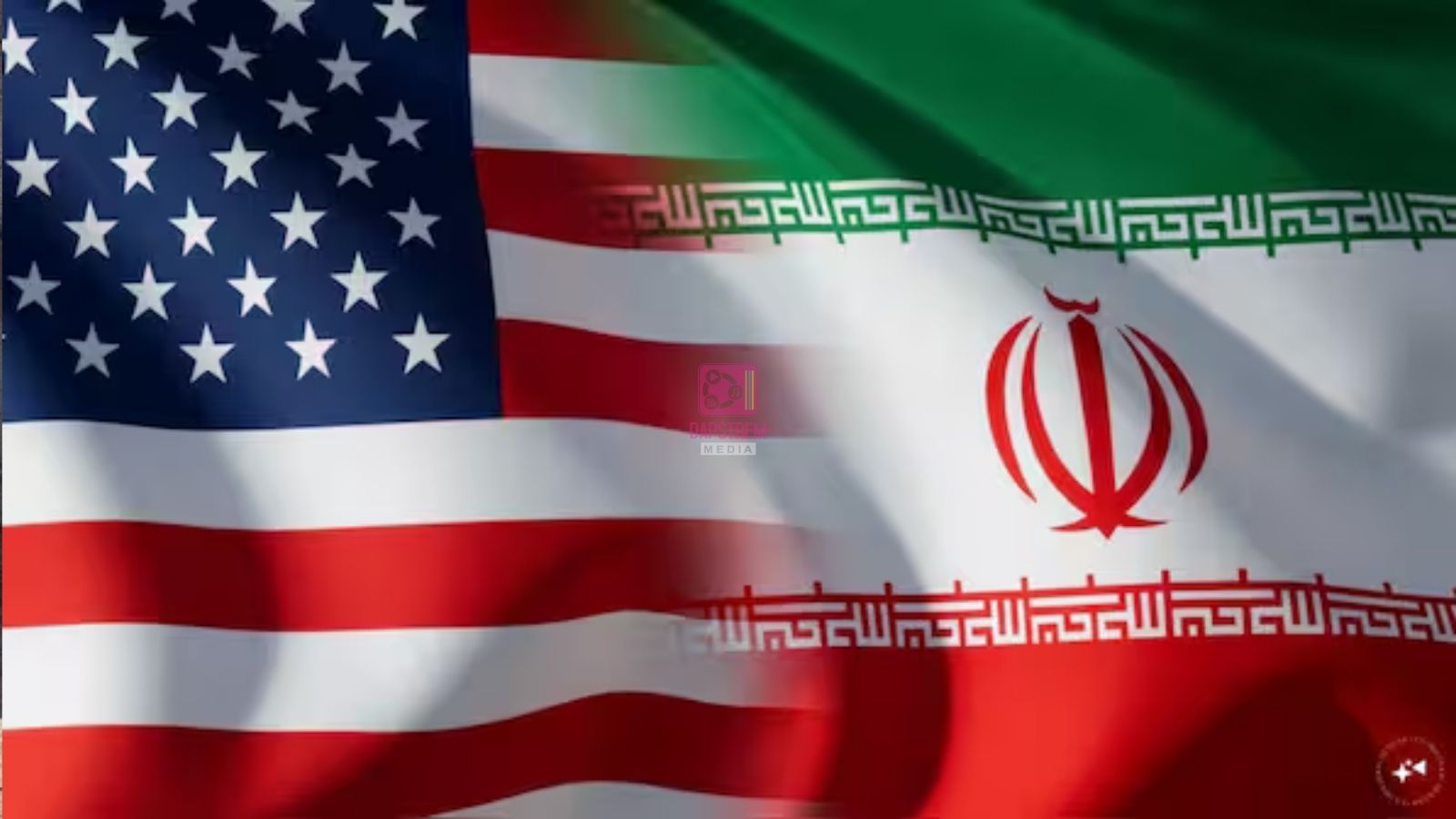
Iran and the United States agree to suspend attacks and revive Strait of Hormuz negotiations, even as both governments trade accusations of violating a fragile interim ceasefire, underscoring the challenges facing efforts to ease regional tensions.
Tensions between Iran and the United States have taken a cautious turn toward diplomacy after both countries agreed to halt military attacks and resume negotiations over security in the Strait of Hormuz, despite simultaneously accusing each other of violating an interim ceasefire agreement. The latest developments mark a significant moment in one of the world’s most closely watched geopolitical confrontations, offering cautious optimism that dialogue may once again take precedence over direct military confrontation.
The agreement comes after weeks of heightened tensions that raised fears of a wider regional conflict capable of destabilizing the Middle East and disrupting global energy markets. Although both governments have expressed willingness to return to the negotiating table, mutual accusations of ceasefire violations continue to cast uncertainty over the fragile truce.
The Strait of Hormuz remains one of the world’s most strategically important waterways, serving as the primary maritime passage for a substantial share of global oil and liquefied natural gas exports. Any military escalation in or around the narrow shipping corridor has immediate consequences for international trade, energy prices, and global financial markets.
Under the latest understanding, both Tehran and Washington have agreed to suspend offensive military operations while diplomatic teams work toward resolving outstanding disputes concerning maritime security, freedom of navigation, regional stability, and broader security concerns. The talks are expected to involve senior diplomats, military officials, and international mediators seeking to reduce tensions and establish mechanisms that can prevent future confrontations.
Despite the agreement, relations remain strained. Iranian officials have accused the United States of carrying out actions inconsistent with the terms of the temporary ceasefire, arguing that certain military movements and surveillance activities amounted to violations of the understanding reached between the two sides.
American officials, on the other hand, have alleged that Iranian-backed activities in the region breached the same agreement, insisting that Washington reserves the right to defend its forces, allies, and commercial interests whenever they come under threat. Both governments have maintained that their actions were defensive rather than offensive, highlighting the deep mistrust that continues to characterize relations between the two longtime adversaries.
The exchange of accusations illustrates the complexity of maintaining ceasefires in environments where multiple military forces, allied groups, naval assets, and intelligence operations operate in close proximity. Even relatively minor incidents can quickly escalate into broader confrontations if communication channels break down or misunderstandings are not resolved promptly.

The decision to resume discussions over the Strait of Hormuz reflects recognition by both sides that prolonged instability serves neither country’s long-term interests. The waterway is critical not only to Gulf states but also to global economies that rely heavily on uninterrupted energy supplies from the region.
Every day, millions of barrels of crude oil and petroleum products pass through the Strait of Hormuz, connecting producers in the Persian Gulf with markets across Asia, Europe, and other parts of the world. Because of its strategic importance, any disruption to shipping traffic can trigger immediate increases in global oil prices, affect transportation costs, and contribute to inflation in countries far removed from the Middle East.
Energy markets reacted cautiously to news of the agreement. Investors welcomed signs of renewed diplomacy, although analysts warned that continued allegations of ceasefire violations could quickly reverse market confidence if tensions escalate again. Commodity traders continue monitoring developments closely, recognizing that geopolitical uncertainty remains a major factor influencing global energy prices.
Regional governments have also welcomed efforts to reduce hostilities. Several Gulf countries have consistently advocated for dialogue, emphasizing that sustained military confrontation threatens regional economic development, maritime trade, tourism, and foreign investment. Many governments in the region have repeatedly called for diplomatic engagement as the preferred path toward resolving longstanding disputes.
International organizations and global powers have similarly encouraged both Iran and the United States to maintain open communication channels. Diplomats argue that even limited agreements reducing military activity can create opportunities for broader discussions covering regional security, nuclear concerns, sanctions, humanitarian issues, and economic cooperation.
The Strait of Hormuz has frequently been at the center of geopolitical tensions over the past several decades. Its narrow geography makes it both strategically valuable and highly vulnerable during periods of political instability. Previous confrontations involving commercial vessels, naval patrols, and military exercises have demonstrated how quickly localized incidents can generate international concern.
Maritime security remains one of the most sensitive issues likely to dominate the renewed negotiations. Commercial shipping companies continue seeking assurances that vessels can safely transit the waterway without facing military threats or disruptions. Stable shipping conditions are essential for maintaining reliable global supply chains and ensuring uninterrupted energy exports.
Beyond immediate security concerns, the talks may also provide an opportunity to rebuild limited diplomatic engagement between two countries whose relationship has remained deeply strained for decades. Although substantial disagreements persist on numerous political and security issues, even incremental progress through dialogue can reduce the likelihood of unintended military escalation.
Analysts note that ceasefires often represent only the first step in much longer diplomatic processes. Successfully maintaining a truce requires effective communication, confidence-building measures, independent verification where possible, and mutual willingness to address incidents before they develop into larger crises.
The accusations exchanged following the interim ceasefire demonstrate precisely why such safeguards are necessary. Without reliable mechanisms for verifying alleged violations, each side risks interpreting the other’s actions through a lens of suspicion, making future negotiations considerably more difficult.
The broader international community will be closely observing whether both governments continue honoring their commitment to suspend attacks despite ongoing disagreements. Financial markets, shipping companies, regional governments, and energy producers all have significant interests in preserving stability within one of the world’s most strategically important regions.
For ordinary citizens across the Middle East, the possibility of reduced military tensions offers hope that diplomacy may help prevent further violence and humanitarian consequences. Previous periods of escalation have heightened fears of wider regional conflict capable of affecting millions of people through economic disruption, displacement, and insecurity.
At the same time, experts caution against excessive optimism. Decades of mistrust, competing regional interests, and unresolved political disputes mean that lasting peace will require sustained diplomatic commitment from both sides. Temporary ceasefires, while valuable, remain vulnerable unless supported by meaningful negotiations addressing the underlying causes of confrontation.
The coming weeks are therefore expected to be crucial. Diplomatic meetings concerning the Strait of Hormuz will test whether both Iran and the United States can transform a fragile pause in hostilities into a broader framework for reducing tensions. Much will depend on the ability of negotiators to manage disagreements, verify compliance with interim commitments, and maintain open channels of communication even when disputes arise.
Ultimately, the agreement to halt attacks and resume talks represents an important opportunity to move away from military confrontation and toward diplomatic engagement. While accusations of ceasefire breaches highlight the fragility of the current situation, the decision to continue negotiations suggests that both countries recognize the enormous risks associated with renewed conflict.
For now, the world watches cautiously as two longstanding rivals attempt to balance competing security concerns with the shared interest of preventing further escalation. Whether the current diplomatic opening develops into lasting stability or proves to be only a temporary pause will depend on the willingness of both sides to prioritize dialogue, restraint, and constructive engagement over continued confrontation.