Congo turns to the International Court of Justice, seeking a legal ruling over Rwanda’s alleged role in the decades-long conflict that continues to fuel instability and humanitarian suffering in eastern DRC.
The Democratic Republic of Congo (DRC) has taken its long-running dispute with neighboring Rwanda to the International Court of Justice (ICJ), filing a case that accuses Kigali of playing a role in the conflict that has destabilized eastern Congo for years. The move marks a significant diplomatic and legal escalation in one of Africa’s most complex and enduring security crises, with Kinshasa seeking an international judicial determination on allegations it has repeatedly raised against its neighbor.
The filing comes amid continued violence in eastern DRC, where armed groups have operated for decades, causing widespread displacement, loss of life, destruction of property, and one of the world’s largest humanitarian crises. By turning to the International Court of Justice, Congo is seeking to resolve aspects of the dispute through international law rather than solely through political negotiations or regional diplomatic initiatives.
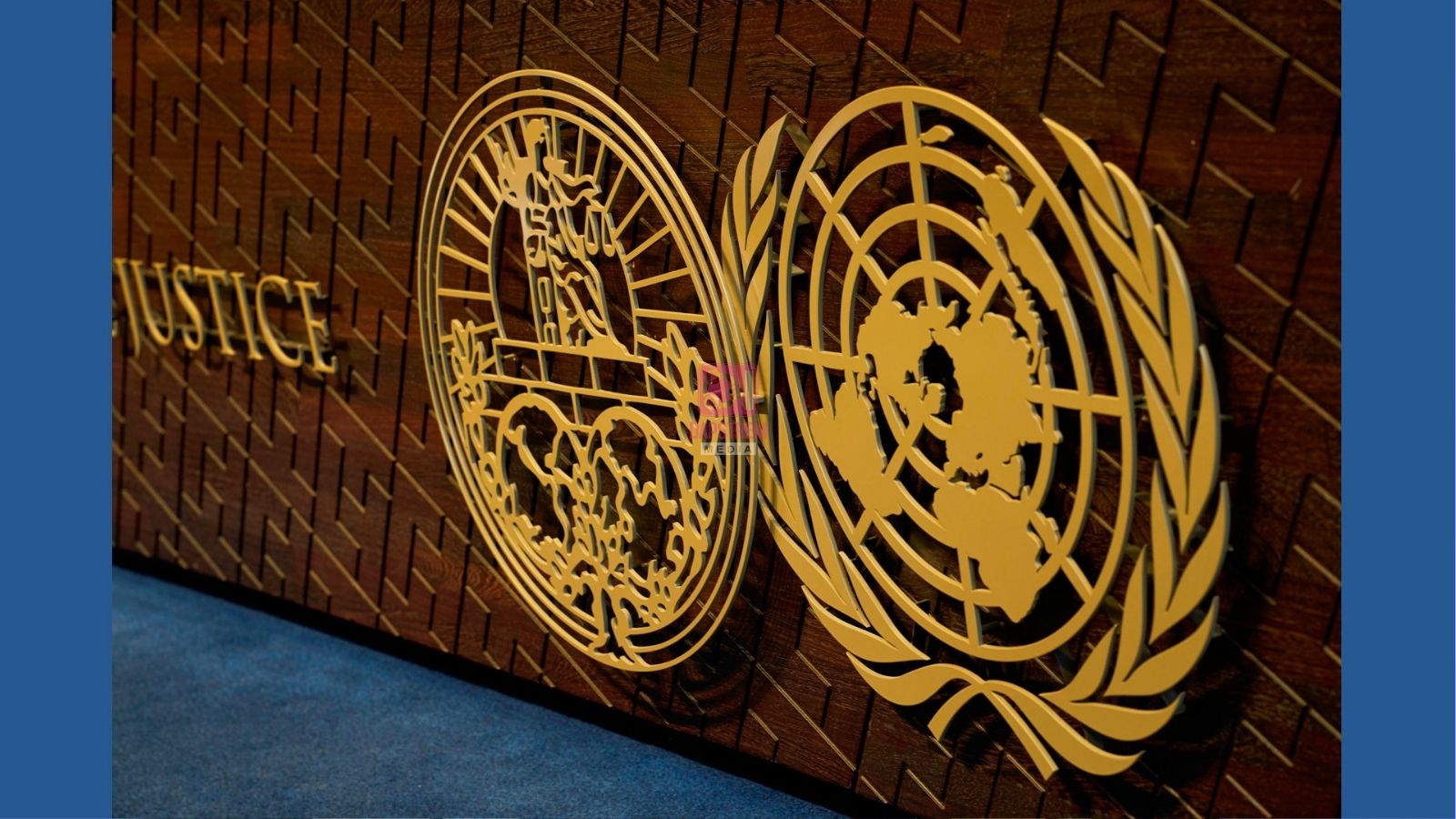
The International Court of Justice, headquartered in The Hague, Netherlands, is the principal judicial organ of the United Nations. It settles legal disputes between states and issues advisory opinions on questions of international law. Unlike criminal courts, the ICJ does not prosecute individuals but instead determines whether states have violated international legal obligations.
In its application before the court, Congo argues that Rwanda bears responsibility for actions that have contributed to instability in the eastern part of the country. Congolese authorities have for years alleged that Rwanda has supported armed groups operating inside Congolese territory, accusations that have consistently fueled diplomatic tensions between the two neighboring countries.
Rwanda has repeatedly rejected such allegations, maintaining that its security concerns stem from the continued presence of armed groups operating near its borders. Kigali has argued that some of these groups pose a direct threat to Rwanda’s national security, particularly those linked to individuals responsible for the 1994 Genocide against the Tutsi in Rwanda. The Rwandan government has consistently denied providing unlawful support to rebel movements inside Congo.
The conflict in eastern DRC has deep historical roots stretching back more than three decades. Following the 1994 genocide in Rwanda, hundreds of thousands of refugees crossed into what was then Zaire, including former soldiers and militia members accused of participating in the genocide. The presence of these armed elements contributed to growing regional insecurity and played a significant role in triggering subsequent conflicts.
Over the years, eastern Congo has become home to dozens of armed groups competing for territory, political influence, and control over the region’s vast mineral wealth. Gold, coltan, cobalt, tin, diamonds, and other valuable minerals found in eastern DRC have made the region economically significant while simultaneously fueling armed conflict and illegal exploitation.
The humanitarian consequences of the prolonged conflict have been devastating. Millions of people have been displaced from their homes, while thousands have lost their lives through fighting, disease, hunger, and attacks on civilians. Entire communities have faced repeated cycles of violence, forcing families to flee multiple times in search of safety.
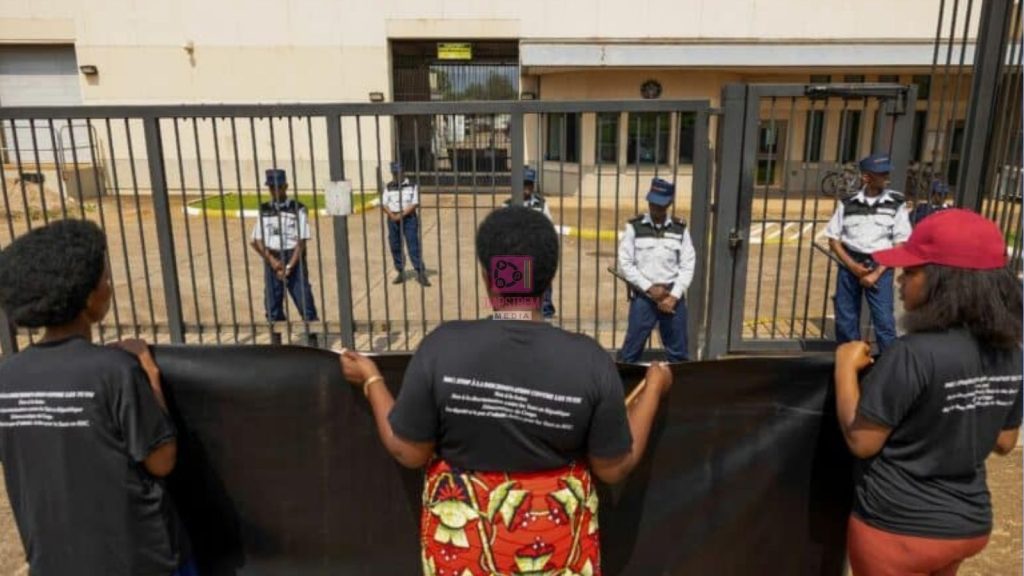
Human rights organizations have documented numerous abuses committed by various armed groups operating in eastern Congo, including killings, sexual violence, forced recruitment of children, destruction of villages, and attacks on humanitarian workers. These violations have drawn widespread international condemnation and prompted repeated calls for accountability.
The latest legal action reflects Congo’s growing determination to pursue international legal avenues alongside diplomatic efforts. By presenting its claims before the International Court of Justice, Kinshasa hopes to obtain a judicial ruling that could clarify legal responsibilities under international law and potentially strengthen its position in future diplomatic engagements.
Legal proceedings before the ICJ can be lengthy and often involve extensive written submissions, documentary evidence, witness testimony where applicable, and oral arguments presented by legal teams representing the respective governments. The court will first determine issues relating to jurisdiction before considering the substantive merits of the case if it concludes that it has authority to hear the dispute.
Should the court ultimately issue a judgment, both parties would be expected to comply with its decision under the framework of the United Nations Charter. However, enforcement of ICJ judgments can sometimes present practical challenges depending on the political and diplomatic circumstances surrounding a case.
The case also unfolds against a backdrop of intensified regional diplomatic efforts aimed at ending violence in eastern Congo. The East African Community, the African Union, the Southern African Development Community (SADC), and other international partners have all supported initiatives designed to encourage dialogue, ceasefires, and peaceful resolution of the conflict.
Several rounds of peace negotiations have taken place over recent years involving regional leaders, government representatives, and international mediators. These efforts have sought to reduce hostilities, promote confidence-building measures, and establish frameworks for long-term political solutions. Despite occasional progress, ceasefire agreements have frequently broken down, allowing violence to continue.
The international community has repeatedly expressed concern about the deteriorating humanitarian situation in eastern Congo. United Nations agencies estimate that millions of people require emergency humanitarian assistance, including food, shelter, healthcare, education, and protection services. Humanitarian organizations continue to face enormous logistical and security challenges while delivering aid to affected populations.
The conflict has also had broader implications for regional stability. Neighboring countries have periodically experienced refugee influxes as civilians flee violence, while concerns about cross-border insecurity have complicated diplomatic relations throughout the Great Lakes region.
Economically, continued instability has disrupted agriculture, trade, mining operations, infrastructure development, and investment opportunities in one of Africa’s most resource-rich regions. Experts argue that lasting peace would not only improve humanitarian conditions but also unlock significant economic potential for both Congo and the wider region.
International legal experts note that cases before the ICJ often carry considerable diplomatic significance beyond their immediate legal outcomes. Even before judgments are delivered, proceedings can influence international opinion, encourage negotiations, and shape future bilateral relations between the states involved.
For Congo, filing the case demonstrates a commitment to pursuing peaceful legal mechanisms under international law rather than relying exclusively on military or political responses. It also reinforces Kinshasa’s position that international institutions should play an active role in resolving interstate disputes.
For Rwanda, the proceedings provide an opportunity to formally present its legal arguments and respond to the allegations before the world’s highest court for disputes between states. Kigali has consistently maintained that it respects international law while emphasizing its own security concerns regarding armed groups operating near its borders.
As the judicial process begins, observers expect the case to attract significant international attention given its potential implications for regional diplomacy, international law, and ongoing peace efforts in Central Africa. Governments, regional organizations, and humanitarian agencies will closely monitor developments as the proceedings unfold.
While legal action alone is unlikely to resolve the deep-rooted causes of conflict in eastern Congo, many analysts believe it represents one component of a broader strategy combining diplomacy, regional cooperation, humanitarian assistance, security reforms, and economic development.
Ultimately, the filing of the case before the International Court of Justice marks a significant moment in the long-running dispute between Congo and Rwanda. It reflects Kinshasa’s determination to seek accountability through international legal institutions while highlighting the continued urgency of finding lasting solutions to one of Africa’s most persistent conflicts.
As the court begins considering the matter, hopes remain that the legal process, alongside ongoing diplomatic initiatives, will contribute to greater accountability, strengthened regional dialogue, and renewed momentum toward achieving sustainable peace and stability in eastern Democratic Republic of Congo.