By David Okuta
BSc Food, Nutrition and Dietetics | Nutrition & Nutritional Epigenetics Educator | Research Fellow ISSCD
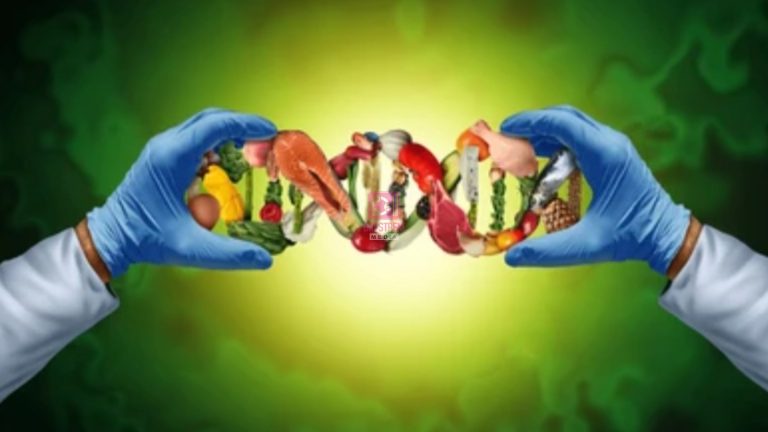
Introduction: We Inherit Genes, But Genes Do Not Work in Isolation
Every human being begins life with a unique genetic blueprint encoded in DNA. Our genes contain instructions that guide the development, maintenance and functioning of virtually every cell in the body.
Yet, having a gene does not mean that it is permanently active.
Genes are regulated.
Some genes are highly active in particular cells, while others remain relatively inactive. A liver cell and a brain cell, for example, contain essentially the same DNA, yet they perform very different functions because different groups of genes are expressed in each cell.
This raises an important question:
If our DNA remains largely the same, what determines how our genes behave?
The answer is complex. Gene function is influenced by genetics, development, hormones, metabolism, physical activity, sleep, stress, environmental exposures, the microbiome and nutrition, among many other factors.
One of the scientific fields seeking to understand this relationship is epigenetics.
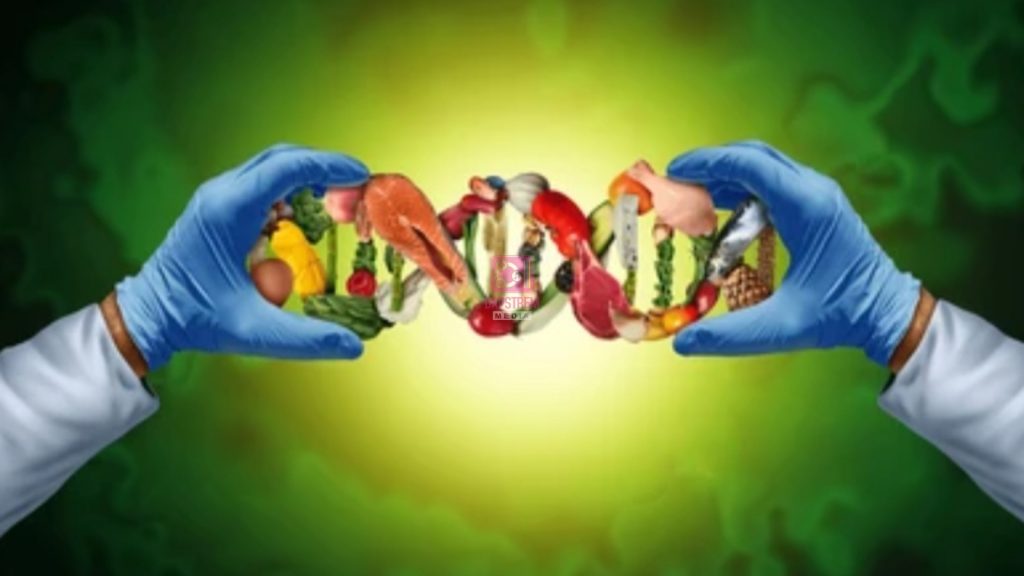
Within this expanding field lies an especially important area for nutrition professionals: nutritional epigenetics—the study of how nutrients and dietary components interact with molecular mechanisms involved in gene regulation.
The implications are profound.
Food is not merely fuel. Nutrients and other food-derived compounds participate in biochemical pathways that influence cellular signaling, metabolism and the molecular machinery that helps regulate gene activity.
Understanding Epigenetics
The term epigenetics refers broadly to molecular mechanisms that influence gene activity without changing the underlying DNA sequence.
Think of DNA as an enormous library.
The books represent genes. The genetic information contained within those books does not necessarily change, but cells need systems that determine which books can be accessed and how frequently they are read.
Epigenetic mechanisms are part of that regulatory system.
Important mechanisms include:
- DNA methylation
- Histone modifications
- Chromatin remodeling
- Regulation by non-coding RNAs
These mechanisms help cells determine which genes are accessible to the molecular machinery responsible for gene transcription.
This regulation is fundamental to life.
Without it, cells would have difficulty maintaining their specialized identities and responding appropriately to changes in their environment.
The Epigenome: The Regulatory Layer Surrounding Our DNA
While the genome refers to the DNA sequence itself, the epigenome describes a collection of chemical and structural modifications associated with DNA and chromatin that influence gene regulation.
The epigenome is dynamic.
It changes during development and can respond to environmental and physiological conditions.
Nutrition is one of the environmental influences capable of interacting with these processes.
This does not mean that food simply “switches genes on and off.” Such a description is useful as an introductory metaphor but is biologically incomplete.
Gene regulation occurs through multiple mechanisms, and the effect of an epigenetic modification depends on its location, timing, tissue and biological context.
Therefore, nutritional epigenetics should be understood as a sophisticated interaction between diet, metabolism, cellular signaling and gene regulation, rather than as a simple nutritional switch.
How Can Food Influence Gene Function?
Food supplies the body with much more than calories.
Diet provides:
- Amino acids
- Essential fatty acids
- Vitamins
- Minerals
- Carbohydrates
- Phytochemicals
- Methyl-donor nutrients
- Antioxidants
- Other bioactive compounds
These substances become part of metabolic pathways that support cellular function.
Some nutrients act as cofactors for enzymes. Others serve as substrates for biochemical reactions. Some influence receptors and signaling pathways, while others can affect enzymes involved in epigenetic regulation.
Consequently, the nutritional environment of a cell can influence the molecular processes involved in gene expression.
This provides one of the clearest connections between nutrition and molecular biology.
Methylation: Where Nutrition Meets Gene Regulation
One of the best-studied epigenetic mechanisms is DNA methylation.
DNA methylation involves the addition of a methyl group to specific sites on DNA. A methyl group consists of one carbon atom and three hydrogen atoms: CH₃.
Methylation is involved in regulating gene activity, maintaining genome stability and controlling cellular identity.
The methyl groups used in many cellular methylation reactions are connected to a metabolic pathway known as one-carbon metabolism.
Several nutrients participate in this network, including:
- Folate
- Vitamin B12
- Vitamin B6
- Choline
- Betaine
- Methionine
- Riboflavin
These nutrients help support the biochemical reactions through which the body produces and utilizes methyl donors.
One particularly important molecule is S-adenosylmethionine (SAM), a major methyl donor involved in numerous methylation reactions.
This provides a powerful example of the connection between diet and gene regulation:
Food → Nutrients → Metabolism → Methyl donors → Epigenetic reactions → Gene regulation
However, this relationship must not be oversimplified.
More methylation is not necessarily better, and taking large quantities of methyl-donor nutrients does not automatically produce healthier gene expression.
The body requires balance.
Folate and Vitamin B12: Why Nutritional Adequacy Matters
Folate and vitamin B12 are particularly important because of their roles in one-carbon metabolism.
Severe deficiencies can disrupt normal cellular metabolism and DNA synthesis and can affect methylation-related pathways.
This is one reason why adequate micronutrient intake is particularly important during periods of rapid growth, pregnancy and development.
However, nutritional epigenetics does not suggest that individuals should consume excessive amounts of folate, B12 or other supplements.
The scientifically responsible message is simpler.
Adequate nutrition provides the biochemical resources required for normal cellular function.
For most people, this begins with a diverse, nutrient-dense dietary pattern rather than unnecessary high-dose supplementation.
Vitamin D: A Nutrient That Can Influence Gene Expression
Vitamin D provides another fascinating example.
Vitamin D functions not only in calcium and bone metabolism but also as a signaling molecule.
Its active form interacts with the vitamin D receptor (VDR), a receptor capable of influencing gene transcription.
Research has demonstrated that vitamin D status can influence the expression of numerous genes involved in biological processes including immune function and cellular regulation.
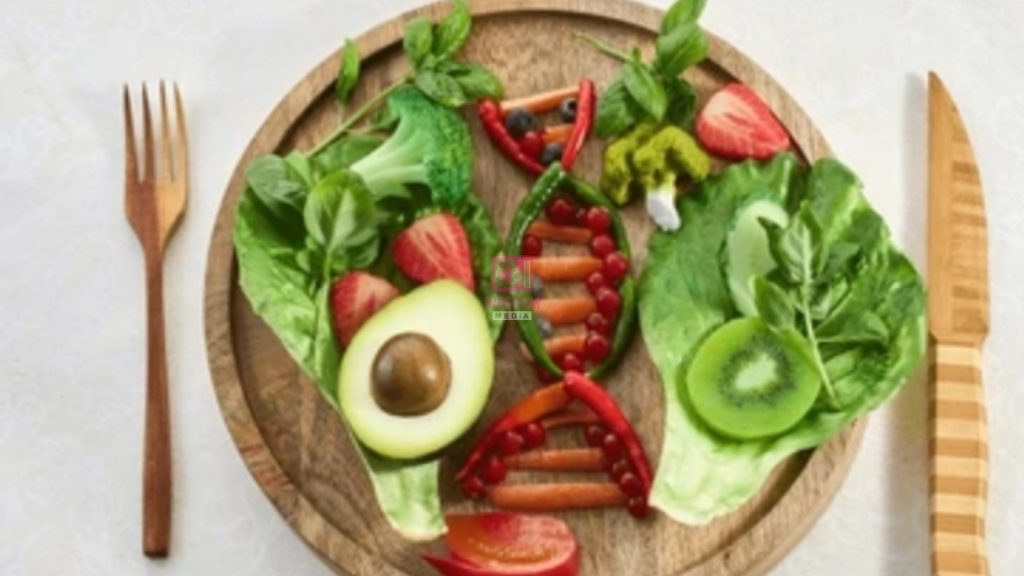
A randomized clinical trial investigating vitamin D supplementation found changes in the expression of hundreds of genes in white blood cells.
The significance of such findings is not that vitamin D can “control” hundreds of genes in a simplistic manner.
Rather, they demonstrate that nutritional status can interact with the machinery through which cells regulate gene activity.
This illustrates an important principle of nutritional epigenetics:
Nutrients can function as biological signals as well as building blocks.
Nutrition, Gene Regulation and Cancer
Cancer provides one of the clearest examples of why gene regulation matters.
Healthy cells possess sophisticated mechanisms controlling:
- Cell division
- DNA repair
- Cellular differentiation
- Senescence
- Programmed cell death
Genes that promote cell proliferation can become oncogenic when their regulation is disrupted. Conversely, tumor-suppressor genes help restrain abnormal cell growth.
Cancer can involve both genetic and epigenetic alterations.
Abnormal DNA methylation and other epigenetic changes can influence genes involved in cell-cycle regulation, DNA repair and apoptosis.
Diet is relevant because nutritional status and dietary patterns can influence metabolism, inflammation, oxidative stress and pathways associated with epigenetic regulation.
But there is an important distinction:
A healthy diet does not simply “switch cancer genes off.”
Cancer is a complex disease involving genetics, environmental exposures, metabolism, immune responses, lifestyle and numerous other factors.
Nutrition should therefore be regarded as an important component of cancer prevention and supportive care not as a replacement for cancer screening, diagnosis or evidence-based treatment.
Nutrition and the Developing Brain
The brain is one of the body’s most metabolically demanding organs.
Its development and function require adequate supplies of energy, protein, essential fatty acids, vitamins, minerals and other nutrients.
Nutrition can therefore influence brain function through many pathways.
One example is brain-derived neurotrophic factor (BDNF).
BDNF is a protein involved in neuronal survival, development, synaptic plasticity, learning and memory. Its expression is influenced by several biological mechanisms, including epigenetic regulation.
This does not mean that one nutrient or one gene determines intelligence, memory or learning ability.

Human cognition emerges from an extraordinarily complex interaction between genetics, nutrition, sleep, physical activity, education, social environment, mental health and neurodevelopment.
This distinction is especially important when discussing neurodevelopmental conditions such as autism spectrum disorder and ADHD.
Research has identified epigenetic differences and altered metabolic pathways in some individuals with neurodevelopmental conditions. However, these findings do not establish that autism or ADHD is caused by a simple methylation deficiency or that dietary methyl donors can reverse these conditions.
Nutritional care should instead focus on ensuring adequate nutrient intake, addressing confirmed deficiencies and supporting healthy growth and development.
Minerals and Gene Function
Vitamins are not the only nutrients connected to gene regulation.
Minerals also participate extensively in cellular processes.
Zinc
Zinc is required for the structure and function of numerous proteins and enzymes.
It participates in DNA synthesis, immune function, antioxidant defense and gene regulation.
Zinc-containing proteins include several classes of transcription factors that interact with DNA.
Adequate zinc status is therefore essential for normal cellular physiology.
Calcium
Calcium is one of the body’s most important intracellular signaling molecules.
It participates in processes including:
- Muscle contraction
- Neurotransmission
- Hormone secretion
- Cell signaling
- Bone metabolism
Calcium-dependent signaling can influence cellular pathways that ultimately affect gene expression.
Again, the principle is not that consuming excessive calcium will automatically improve gene function.
Rather:
Nutrient adequacy creates the biochemical environment necessary for normal physiology.
Food, Environmental Exposures and the Epigenome
Nutrition does not operate in isolation.
The cells of the human body are simultaneously exposed to multiple environmental influences.
These may include:
- Air pollution
- Tobacco smoke
- Alcohol
- Pesticides
- Heavy metals
- Medications
- Infections
- Psychological stress
- Sleep disruption
- Physical inactivity
- Metabolic dysfunction
Some environmental exposures can interact with cellular signaling and epigenetic pathways.
This makes nutritional epigenetics particularly interesting.
A person’s nutritional status may influence how well their body responds to physiological and environmental challenges, while environmental exposures can simultaneously influence metabolism and gene regulation.
The relationship is therefore multidirectional.
Food influences the body. The environment influences the body. Both interact with biological systems that regulate gene function.
The Gut Microbiome: Where Food Meets Another Biological Ecosystem
Modern nutritional science has introduced another important participant in this conversation: the gut microbiome.
The food we consume influences the microorganisms living within the gastrointestinal tract.
These microorganisms metabolize dietary components and produce compounds that can affect human physiology.
Some microbial metabolites can influence:
- Immune function
- Energy metabolism
- Inflammation
- Cellular signaling
- Epigenetic enzymes
This creates a fascinating biological pathway:
Diet → Gut microbiome → Microbial metabolites → Cellular signaling → Gene regulation → Health
Consequently, what we eat may influence our physiology through both direct nutritional pathways and interactions with our microbial ecosystem.
Pregnancy and the Developing Epigenome
The relationship between nutrition and epigenetic regulation becomes particularly important during pregnancy.
Fetal development involves extensive cellular differentiation and epigenetic programming.
Maternal nutritional status contributes to the metabolic environment in which this development occurs.
Nutrients involved in one-carbon metabolism—including folate, vitamin B12 and choline—have therefore attracted considerable scientific interest.
This is one reason why appropriate nutrition before conception and throughout pregnancy is so important.
But this message must never become a source of blame.
A child’s health is determined by an intricate interaction among genetics, maternal health, placental function, environmental exposures, nutrition, infections, socioeconomic circumstances and numerous other factors.
The purpose of nutritional epigenetics is not to assign blame.
It is to understand biology well enough to identify opportunities for prevention and improved health.
Can We Change Our Epigenome?
One of the most exciting characteristics of epigenetic biology is that some epigenetic marks are dynamic.
Unlike the DNA sequence itself, certain epigenetic modifications can change in response to developmental and environmental signals.
This creates enormous scientific interest in lifestyle and nutrition.
But it is important to distinguish biological possibility from clinical certainty.
The fact that a food component can influence an epigenetic pathway in a laboratory does not automatically mean that eating that food will prevent or cure a disease in humans.
Translation from molecular research to clinical practice requires robust human studies.
This is where responsible nutrition science becomes essential.
From the Laboratory to the Dinner Table
Nutritional epigenetics should ultimately improve how we understand nutrition—not create another collection of miracle diets.
There is no single “epigenetic food.”
Instead, the practical goal should be a dietary pattern that consistently supplies the nutrients required for normal metabolism.
This includes a diverse range of:
- Vegetables
- Fruits
- Legumes
- Whole grains
- Nuts
- Seeds
- Appropriate animal-source foods
- Fermented foods where culturally appropriate
- Healthy sources of dietary fats
- Adequate water
Dietary diversity matters because no single food provides everything the body requires.
Africa’s Food Biodiversity: An Overlooked Nutritional Opportunity
The science of nutritional epigenetics also offers an opportunity to rethink Africa’s indigenous food systems.
Across Africa, communities have historically cultivated and consumed an extraordinary variety of indigenous foods.
These include:
- Amaranth
- African nightshade
- Spider plant
- Cowpea leaves
- Sorghum
- Millet
- Bambara groundnut
- Beans
- Traditional fruits
- Indigenous roots and tubers
- Nuts and seeds
These foods can contribute essential nutrients, fiber and diverse bioactive compounds to the diet.
The future of nutrition in Africa should therefore not necessarily be about replacing traditional foods with imported “superfoods.”
Instead, we should ask:
How can African food biodiversity be protected, researched, promoted and integrated into modern food systems to improve dietary diversity and nutrition security?
This question connects nutritional epigenetics with a much larger conversation:
Food biodiversity → Dietary diversity → Nutritional adequacy → Metabolic health → Population health
The protection of indigenous food knowledge may therefore have implications extending beyond cultural heritage.
It can also contribute to nutrition security and sustainable health.
The Importance of Nutritional Epigenetics Education
As this field develops, nutrition professionals have an important responsibility.
The public is increasingly exposed to claims that particular foods can “activate good genes,” “switch off bad genes,” reverse autism, eliminate toxins or cure chronic diseases.
Some of these claims are based on genuine scientific discoveries but are exaggerated when translated into commercial or social-media language.
Scientific communication must therefore distinguish between:
What we know.
What we suspect.
What remains uncertain.
A responsible nutritional epigenetics educator should communicate the science without creating false promises.
The goal should be to empower people to make informed decisions—not to sell fear or miracle solutions.
A Practical Nutritional Epigenetics Framework
The emerging science can be translated into several practical principles.
1. Prioritize Dietary Diversity
A diverse diet increases the likelihood of obtaining the range of nutrients and bioactive compounds required for normal physiology.
2. Prevent Nutrient Deficiencies
Adequate folate, vitamin B12, vitamin B6, zinc, iron, iodine, calcium, vitamin D and other essential nutrients are important for health.
3. Eat More Whole and Minimally Processed Foods
Vegetables, fruits, legumes, whole grains, nuts and seeds can form an important foundation of a healthy dietary pattern.
4. Respect Individual Nutritional Needs
Pregnancy, infancy, older age, chronic disease and restrictive diets can change nutritional requirements.
5. Avoid Unnecessary Megadosing
Nutrients are essential, but excessive intake can also cause harm.
6. Look Beyond Food
Nutrition is one part of a broader environmental system that includes sleep, physical activity, stress, environmental exposures and social conditions.
7. Follow the Evidence
Promising molecular findings should not automatically become clinical recommendations.
The Future: From Nutritional Epigenetics to Precision Nutrition
The future of nutrition may become increasingly personalized.
Scientists are investigating how genetic variation, epigenetic patterns, metabolism, microbiome composition, dietary intake and environmental exposures interact to influence health.
This research could eventually contribute to more individualized approaches to nutrition.
Instead of asking only:
“What nutrients does the average person need?”
Future nutrition science may increasingly ask:
“How does this individual’s biology respond to particular dietary patterns?”
This is the promise of precision nutrition.
However, precision nutrition must remain grounded in high-quality evidence.
Genetic or epigenetic testing should not be used to make exaggerated claims about disease risk or to prescribe unproven supplements.
Conclusion: Food Is Part of the Biological Conversation
We inherit our DNA, but genes do not function in isolation.
They operate within an environment shaped by development, metabolism, nutrition, physical activity, sleep, stress, environmental exposures and countless other factors.
Epigenetics provides a framework for understanding some of the molecular mechanisms through which these influences interact with gene regulation.
Nutritional epigenetics takes this understanding one step further by examining how nutrients and dietary components participate in these processes.
The message is therefore not:
“Food controls your genes.”
The more scientifically accurate message is:
“Food contributes to the biological environment in which our genes function.”
Nutrition does not rewrite our DNA. Rather, it contributes to the metabolic and cellular environment that helps determine how biological processes—including gene regulation—operate.
Understanding this relationship can help us move beyond simplistic ideas about “good” and “bad” genes and toward a more complete view of human health—one that recognizes the powerful interaction between genes, food, environment and lifestyle.
Ultimately, nutritional epigenetics should not encourage fear about food or promote miracle diets.
It should encourage dietary diversity, nutritional adequacy, evidence-based practice and a deeper appreciation of the foods that nourish us.