
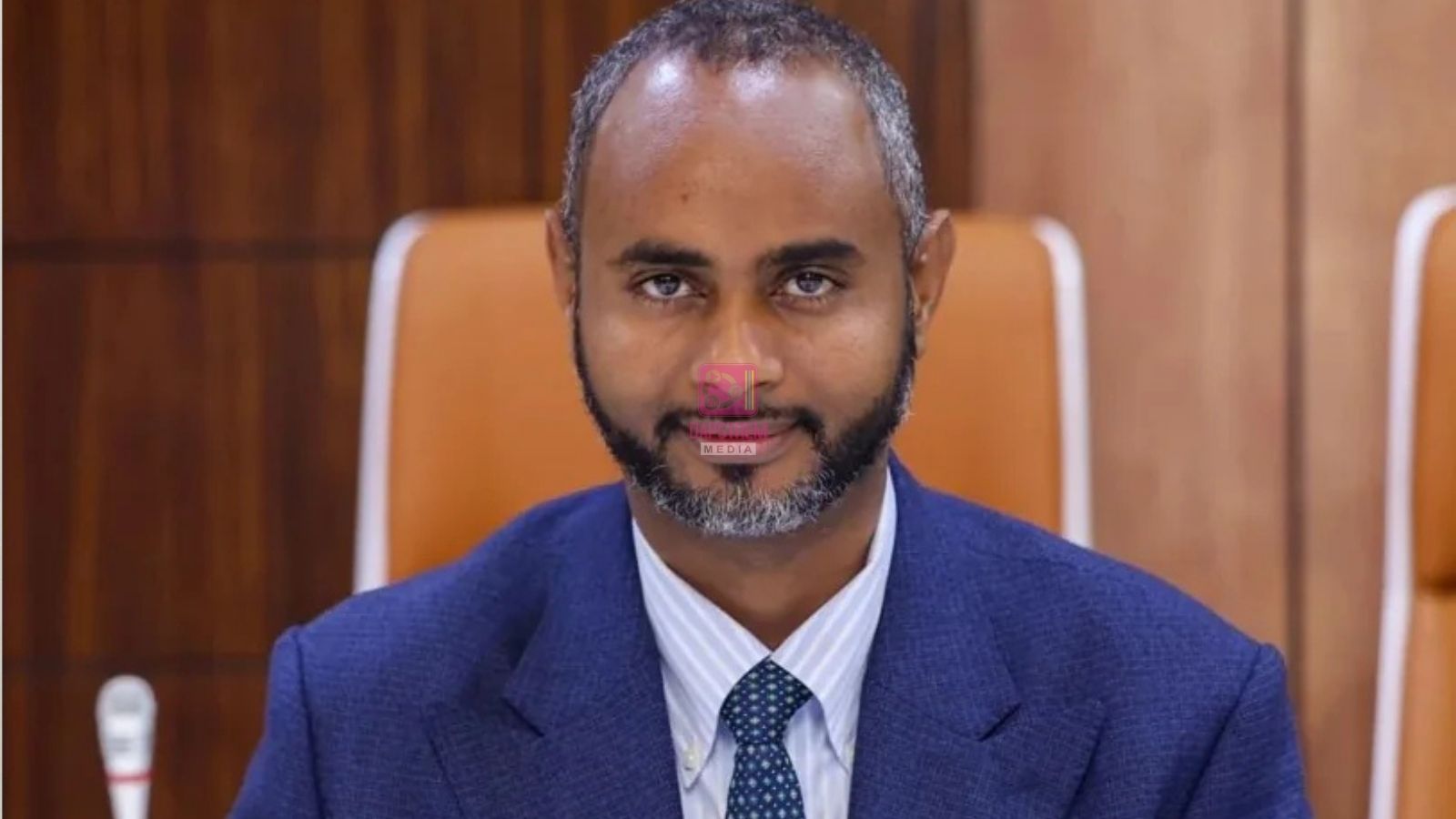
Abdulkadir Mohamed Nur Elected Speaker as Somalia’s Lower House Begins New Chapter
Abdulkadir Mohamed Nur has been elected as the new Speaker of Somalia’s lower house after securing a decisive victory in a parliamentary vote, marking a significant development in the country’s political leadership and institutional landscape.
Nur’s election places him at the centre of Somalia’s legislative affairs at a time when the country continues to navigate important political, security and governance challenges. As Speaker, he will be responsible for presiding over parliamentary sessions, guiding legislative business, maintaining order in the chamber and helping ensure that the lower house effectively carries out its constitutional responsibilities.
The election is therefore more than a change in parliamentary leadership. It comes at a time when Somalia’s political institutions are expected to play an increasingly important role in shaping the country’s future, strengthening democratic governance and addressing issues affecting millions of citizens.
The decisive nature of the vote has also drawn attention to Nur’s political standing among members of Parliament. Winning the confidence of lawmakers is particularly important for a Speaker because the office requires the ability to manage competing political interests while ensuring that parliamentary proceedings remain focused on legislation and national priorities.
Nur now inherits the responsibility of leading a chamber that sits at the heart of Somalia’s federal political system. Somalia’s lower house, the House of the People, plays a central role in passing legislation, scrutinising government policies and exercising oversight over the executive.
The Speaker serves as the principal presiding officer of the chamber and is expected to ensure that parliamentary debates are conducted according to established rules. The office requires political experience, knowledge of parliamentary procedures and the ability to maintain neutrality while managing sometimes intense political disagreements.
Nur’s election will therefore be closely watched not only by Somali lawmakers but also by political stakeholders across the region.
Somalia has undergone significant political changes over the past several decades, and strengthening the country’s legislative institutions remains an important part of efforts to establish stable and accountable governance. Parliament has an important role in this process because effective legislation and oversight can help improve public institutions and strengthen confidence in government.
The new Speaker will be expected to guide lawmakers as they consider legislation covering a wide range of national issues. These may include governance reforms, economic development, security, public services, constitutional matters and policies aimed at improving the lives of ordinary Somalis.
One of the most important responsibilities facing the new parliamentary leadership will be maintaining constructive relations between the legislature and executive. A functioning democracy requires cooperation between government institutions while also preserving the independence and oversight role of Parliament.
The Speaker will therefore need to balance the interests of different political groups within the House. Parliamentary politics can involve disagreements over government policy, legislation, appointments and national priorities. How such disagreements are managed can have a significant impact on the effectiveness of the institution.
Nur’s ability to build consensus among lawmakers will consequently be an important measure of his tenure.
His election also comes against the backdrop of Somalia’s ongoing efforts to strengthen its federal political system. The country has been working to develop institutions capable of supporting representative governance while managing relationships between the federal government and regional administrations.
Parliament remains a critical part of those efforts. Through legislation and oversight, lawmakers can influence how national policies are implemented and how public resources are managed.
The Speaker’s office provides the institutional leadership necessary to coordinate that work.
For ordinary Somali citizens, the significance of the parliamentary leadership extends beyond political debates in Mogadishu. Decisions made by Parliament can affect security, education, healthcare, infrastructure, employment, taxation and the provision of essential public services.
Citizens therefore have a direct interest in ensuring that Parliament functions effectively and remains responsive to national concerns.
Nur’s election is likely to raise expectations that the lower house will focus on legislation capable of addressing these challenges. Somalia continues to face significant economic and humanitarian pressures, making effective governance particularly important.
Security remains another major issue confronting the country. Somalia has made progress in strengthening its security institutions, but militant violence and instability continue to pose serious challenges in parts of the country.
Parliament’s role in security-related legislation, oversight and allocation of public resources means that its leadership can have an important influence on national security policy.
The new Speaker will consequently be expected to ensure that parliamentary debates on security remain constructive and focused on strengthening national institutions and protecting civilians.
Economic development will also feature prominently during Nur’s tenure. Somalia is seeking to expand economic opportunities, improve public financial management and create conditions that can support investment and employment.
A strong legislative framework is essential for achieving these goals. Parliament can help establish policies that encourage investment while protecting public interests and ensuring accountability in the management of national resources.
The Speaker will also be expected to facilitate parliamentary scrutiny of government spending. Effective oversight can help ensure that public funds are used for their intended purposes and that government programmes deliver tangible benefits to citizens.
Another important area is constitutional and institutional reform. Somalia’s political system has undergone continuing reforms as the country works to strengthen its federal institutions and establish clearer rules for political representation and governance.
Parliament is central to this process because constitutional and legislative changes require careful debate and broad political consultation.
Nur will therefore have an opportunity to contribute to the strengthening of Somalia’s democratic institutions by ensuring that parliamentary discussions remain inclusive and transparent.
His election is also significant in the broader Horn of Africa region. Somalia’s political stability has implications beyond its borders because developments in the country affect regional security, trade, migration and diplomatic relations.
Neighbouring countries and international partners have a strong interest in Somalia’s continued progress toward stable and effective governance.
A functioning Parliament can contribute to that stability by providing a legitimate forum for political debate and helping resolve disagreements through institutional processes rather than political confrontation.
Nur’s leadership will therefore be watched closely by regional partners and international organizations involved in supporting Somalia’s development and stabilization efforts.
The new Speaker will also have to manage the expectations of lawmakers representing different constituencies and political interests. Somalia’s Parliament reflects a wide range of regional, political and social perspectives, making consensus-building a critical part of the Speaker’s responsibilities.
The ability to listen to competing viewpoints and provide space for meaningful debate will be essential to maintaining confidence in the House.
A successful Speaker is not simply the person who presides over parliamentary sessions. The office requires leadership, diplomacy, procedural knowledge and the ability to protect the credibility of Parliament.
Nur’s decisive election gives him a strong starting point, but the real test will come through the decisions he makes and the manner in which he manages the chamber.
The new parliamentary leadership will also be expected to strengthen public confidence in Somalia’s political institutions. Citizens need to see Parliament as an institution capable of addressing national challenges, scrutinising government decisions and representing their interests.
Transparency and accountability will therefore be important themes during Nur’s tenure.
As he takes charge, lawmakers will be looking to the new Speaker for direction on the legislative agenda and parliamentary priorities. The coming months are likely to reveal the extent to which he can unite the House around key national issues while allowing healthy political debate.
His election also provides an opportunity for a fresh approach to parliamentary leadership. By promoting orderly debate, encouraging committee effectiveness and strengthening oversight, Nur can help improve the overall performance of the lower house.
The success of his tenure will ultimately depend on cooperation among lawmakers and the broader political leadership of Somalia. The Speaker cannot independently solve the country’s political, economic or security challenges, but he can create an institutional environment in which Parliament contributes meaningfully to addressing them.
For Somalia, the election of Abdulkadir Mohamed Nur marks a new chapter in the leadership of its lower house. His decisive victory demonstrates that he has secured significant support among lawmakers, while the responsibilities awaiting him will place him at the centre of some of the country’s most important national debates.
As he settles into the Speaker’s office, attention will now turn to his legislative agenda, his approach to parliamentary oversight and his ability to manage political differences within the House.
Somalia’s Parliament faces considerable responsibilities in the period ahead. From strengthening democratic institutions and supporting national security to promoting economic development and ensuring accountability in public spending, lawmakers have a crucial role to play in shaping the country’s future.
Nur’s tenure will therefore be measured not simply by the manner of his election but by the effectiveness, independence and credibility of the institution he now leads.
His rise to the speakership represents an important moment for Somalia’s lower house, and the coming months will determine whether his leadership can translate the confidence demonstrated in the decisive vote into stronger parliamentary performance and greater public trust.