
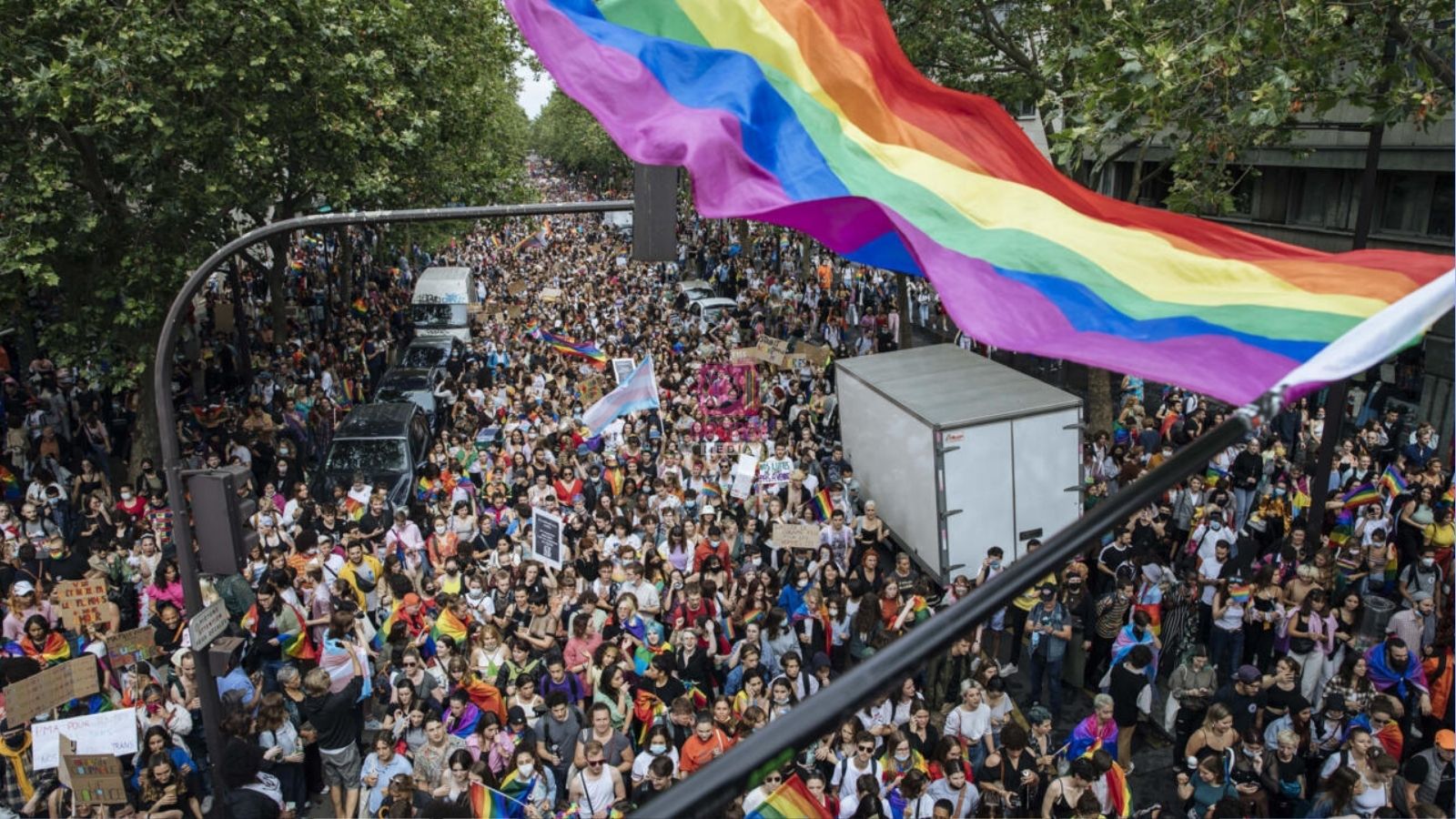
Organisers postpone the annual Paris Pride march as an intense heatwave raises serious safety concerns, with authorities urging the public to avoid prolonged outdoor exposure during extreme temperatures.
Organisers of the annual Paris Pride March have announced the postponement of the highly anticipated event due to extreme heat conditions sweeping across France, prioritizing the safety and well-being of thousands of expected participants. The decision comes as authorities continue to issue heat-related warnings across several parts of the country, with soaring temperatures raising serious concerns about the risks associated with holding large outdoor gatherings.
The postponement marks an unusual moment for one of Europe’s largest and most prominent Pride celebrations, an event that traditionally attracts tens of thousands of participants, supporters, activists, tourists, and human rights organizations from across France and around the world. While the march is widely recognized as a celebration of diversity, equality, and inclusion, organisers said protecting participants from potentially dangerous weather conditions had to take precedence.
According to organisers, weather forecasts indicated that temperatures during the scheduled event would reach levels capable of posing significant health risks, particularly for people expected to spend several hours outdoors. Large public events often involve long periods of walking, standing in direct sunlight, dancing, and crowding, all of which increase the likelihood of heat exhaustion, dehydration, and heatstroke during extreme weather.
The decision to postpone the event followed consultations with local authorities, public health officials, emergency services, and weather experts who have been closely monitoring the developing heatwave. Organisers explained that although extensive preparations had already been completed, the safety of participants remained their highest priority.
Paris Pride, known locally as Marche des Fiertés, has become one of the city’s most significant annual public events. Each year, it brings together members of the LGBTQ+ community, civil society groups, human rights advocates, businesses, political leaders, diplomats, and members of the general public in a celebration of equality while also highlighting ongoing efforts to combat discrimination and promote equal rights.
The annual march is both a celebration and a demonstration. Participants gather not only to celebrate diversity but also to raise awareness about issues affecting LGBTQ+ communities, including equal legal protections, healthcare access, inclusion, anti-discrimination measures, mental health, and social acceptance. The event has become an important platform for advocacy while fostering solidarity among participants from diverse backgrounds.
This year’s postponement reflects the growing influence of extreme weather on public planning and event management across Europe. Climate experts have repeatedly warned that heatwaves are becoming more frequent, longer-lasting, and more intense due to global climate change. As a result, organisers of outdoor events are increasingly required to consider weather-related risks alongside traditional security and logistical planning.
Public health authorities have consistently emphasized that prolonged exposure to extreme heat can have severe consequences, particularly for older adults, young children, pregnant women, individuals with chronic medical conditions, and people participating in physically demanding outdoor activities. Heat-related illnesses can develop rapidly when high temperatures are combined with humidity, direct sunlight, and insufficient hydration.
Medical professionals explain that heat exhaustion often begins with symptoms such as dizziness, weakness, nausea, headaches, excessive sweating, muscle cramps, and fatigue. If left untreated, it can progress to heatstroke—a medical emergency characterized by dangerously elevated body temperature, confusion, unconsciousness, and potentially life-threatening complications requiring immediate medical attention.
Large public gatherings present additional challenges during heatwaves. Thousands of participants concentrated in confined urban spaces can make it difficult for emergency responders to reach individuals requiring medical assistance. Crowded conditions also increase physical exertion and reduce opportunities for cooling, making preventive measures especially important.
French authorities have been implementing nationwide heatwave preparedness measures as temperatures continue rising across multiple regions. Public health agencies have encouraged residents to remain hydrated, avoid prolonged outdoor exposure during peak afternoon hours, seek air-conditioned environments where possible, and regularly check on elderly relatives, neighbors, and other vulnerable individuals.
Municipal authorities in Paris have also activated various heat response initiatives, including opening cooling centers, increasing access to drinking water, enhancing emergency medical readiness, and monitoring vulnerable populations. These measures form part of broader national strategies designed to reduce heat-related illnesses during periods of extreme weather.
The postponement of the Pride March illustrates how climate-related events are increasingly affecting public life beyond environmental concerns alone. Festivals, sporting competitions, concerts, religious gatherings, political rallies, and cultural celebrations have all faced disruptions in recent years due to record-breaking temperatures, storms, floods, droughts, and wildfires affecting different parts of the world.
Organisers emphasized that postponing the event should not be interpreted as diminishing the significance of Pride or its message. Rather, they reaffirmed their commitment to holding the celebration once weather conditions improve sufficiently to ensure the safety of everyone involved. Planning is expected to continue in close coordination with city officials and emergency services before a new date is confirmed.
Many participants expressed disappointment at the postponement but also acknowledged the importance of prioritizing health and safety. Social media platforms quickly filled with messages of support for the organisers’ decision, with many noting that protecting lives and preventing medical emergencies outweighed the inconvenience of rescheduling.
Businesses that had prepared for the event, including hotels, restaurants, retailers, and tourism operators, may also experience short-term impacts due to the postponement. Paris Pride typically generates significant economic activity as visitors travel to the French capital to participate in celebrations and related cultural events. Nevertheless, many stakeholders expressed optimism that a rescheduled event would still attract strong attendance.
The decision also highlights the growing need for cities to adapt public event planning to changing climate conditions. Urban planners, emergency management agencies, and event organisers are increasingly incorporating weather resilience into their preparations by developing contingency plans, expanding medical services, increasing water distribution points, establishing shaded rest areas, and improving emergency communication systems.
Climate scientists continue to warn that Europe is warming faster than the global average, with heatwaves becoming more frequent and more severe. These changing weather patterns have prompted governments and local authorities to invest in adaptation measures aimed at protecting public health, strengthening infrastructure, and improving emergency response capabilities.
For the LGBTQ+ community, the postponement represents only a temporary delay rather than a cancellation of the movement’s ongoing advocacy. Pride events worldwide have historically served as powerful reminders of progress achieved while highlighting areas where equality and inclusion remain unfinished goals. Organisers have reiterated that the values underpinning the march remain unchanged despite the scheduling adjustment.
As France continues managing the ongoing heatwave, attention remains focused on protecting public health while minimizing disruptions caused by extreme temperatures. Authorities have urged residents and visitors alike to follow official weather advisories and adopt recommended safety precautions until conditions improve.
The eventual return of the Paris Pride March is expected to once again bring together thousands of participants in celebration of diversity, dignity, and equal rights. When the event finally takes place, it will likely carry an additional message about resilience—not only in the face of social challenges but also in adapting responsibly to the growing realities of climate-related risks.
Ultimately, the decision to postpone the Paris Pride March demonstrates that responsible event management requires balancing celebration with public safety. While participants may have to wait a little longer to gather in the streets of Paris, the organisers’ decision reflects a commitment to ensuring that the celebration can proceed under conditions that protect the health and well-being of everyone involved.