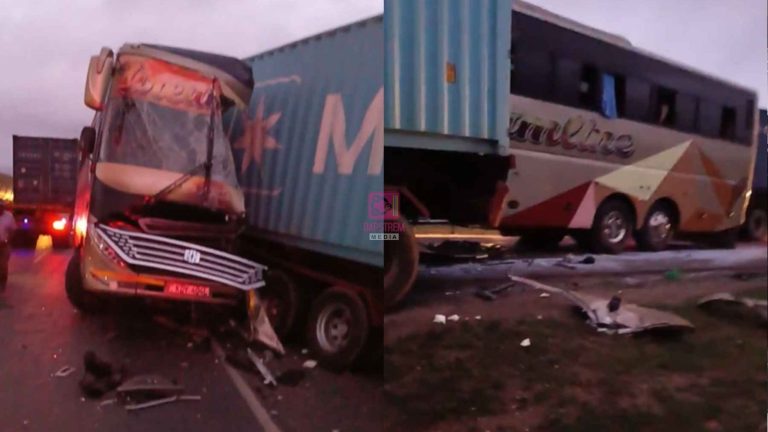
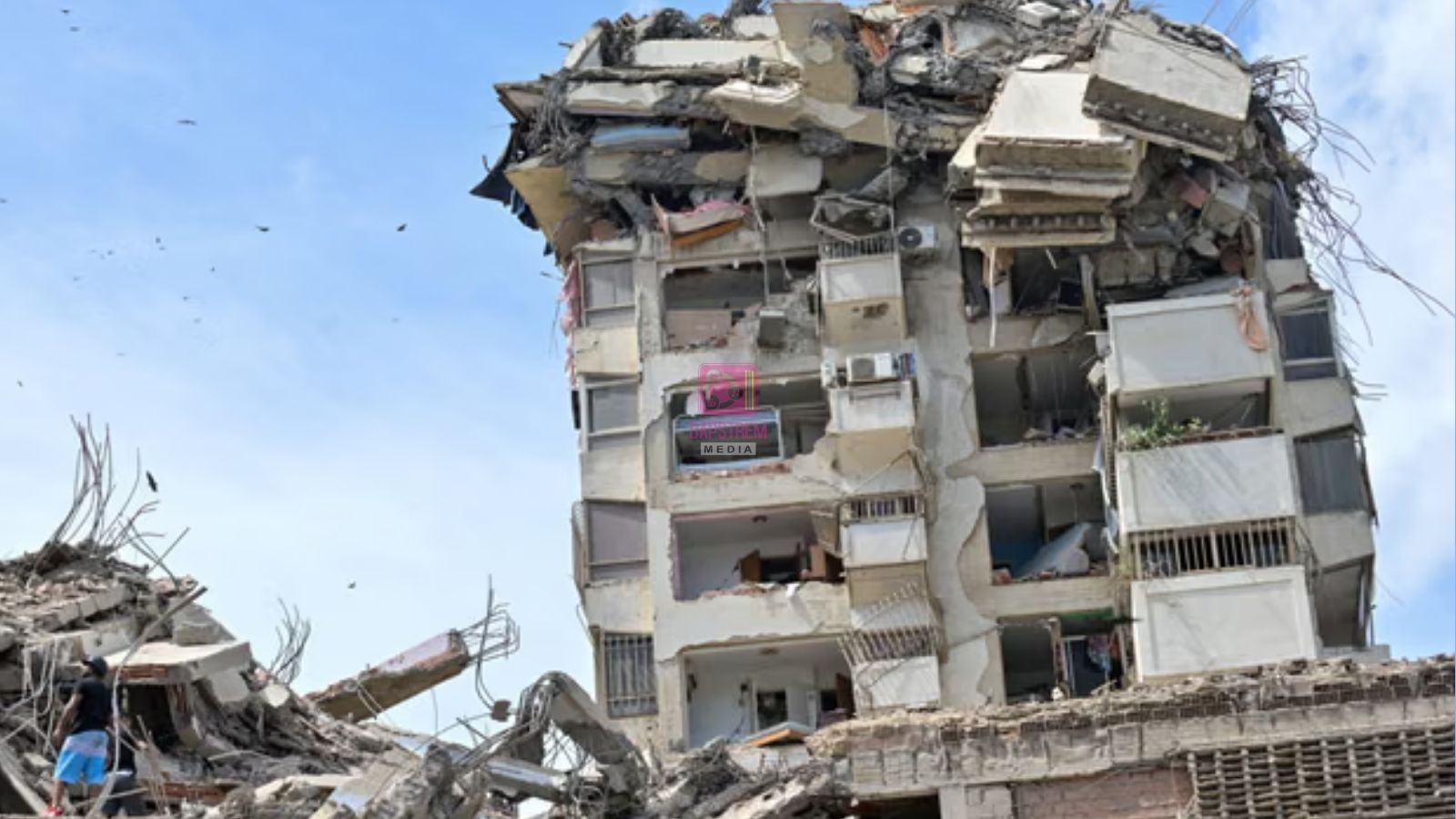
Venezuela faces a deepening humanitarian crisis as nearly 1,000 people are confirmed dead, more than 50,000 remain missing, and rescue teams race to find survivors following the country’s devastating twin earthquakes.
Venezuela is grappling with one of the deadliest natural disasters in its modern history after two powerful earthquakes struck the country’s northern region, leaving nearly 1,000 people dead and tens of thousands still missing. As rescue teams continue their desperate search for survivors beneath collapsed buildings, the scale of the humanitarian crisis continues to unfold, with authorities warning that the death toll could rise significantly in the coming days.
The twin earthquakes, measuring 7.2 and 7.5 in magnitude, struck less than a minute apart, causing widespread devastation across several regions. The coastal state of La Guaira, located near the capital Caracas, suffered the heaviest destruction as residential buildings, hotels, businesses, roads, and public infrastructure collapsed under the force of the tremors. Entire neighborhoods were reduced to rubble, trapping thousands of people beneath concrete and twisted metal.
According to the latest official figures, the death toll has risen to around 920 people, while more than 50,000 individuals are still reported missing. Rescue authorities caution that these figures remain preliminary because search operations are ongoing and communication with some affected communities has been severely disrupted. Thousands of injured survivors have also been admitted to hospitals, many of which are struggling to cope with the overwhelming number of casualties.
Emergency responders have described the situation as one of the most challenging disaster operations the country has faced in decades. Search-and-rescue teams are working around the clock, carefully removing debris in the hope of locating survivors trapped beneath collapsed structures. Every passing hour reduces the likelihood of finding people alive, making the operation a race against time.
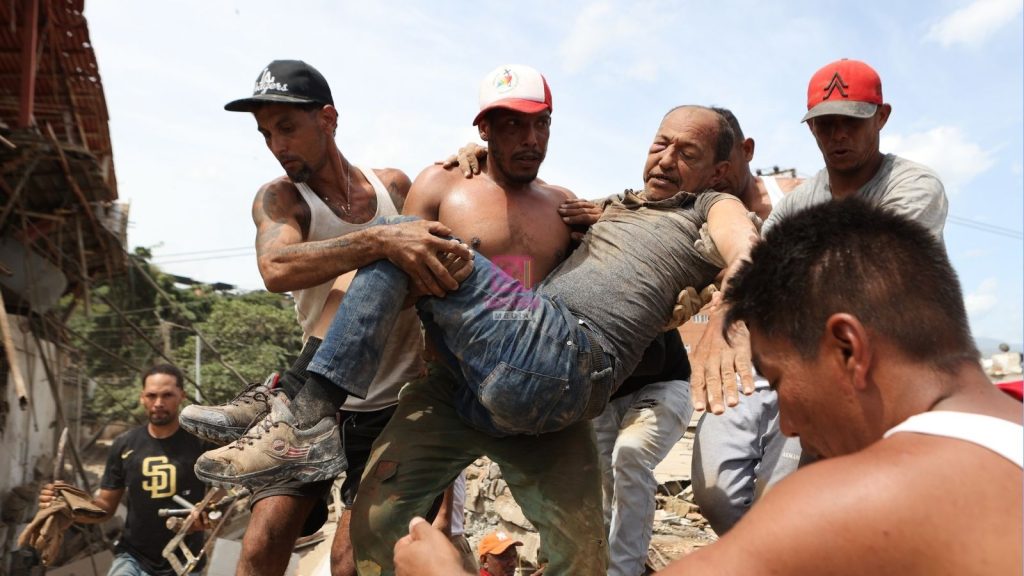
Throughout the disaster zone, rescuers have been using heavy machinery alongside specialized search equipment, trained rescue dogs, thermal imaging devices, and listening equipment to detect signs of life beneath the rubble. In many locations, volunteers have joined professional rescue workers, digging through debris by hand whenever machinery cannot safely reach trapped victims.
The destruction has left thousands of families anxiously searching for loved ones. Temporary missing-person centers have been established while authorities continue updating lists of survivors, injured patients, and confirmed fatalities. Many families remain uncertain about the whereabouts of relatives as communication networks in several areas remain unreliable.
Hospitals across the affected regions have been overwhelmed by the sudden influx of patients suffering fractures, crush injuries, burns, head trauma, and other life-threatening conditions. Medical personnel have worked continuously under extremely difficult circumstances, while emergency field hospitals have been established to provide additional treatment capacity.
The earthquakes also caused extensive damage to critical infrastructure. Roads have cracked or collapsed in several areas, bridges have sustained structural damage, electricity supplies have been interrupted, and water distribution systems have been severely affected. Telecommunications networks have also experienced disruptions, complicating coordination between rescue agencies and delaying communication with isolated communities.
The widespread infrastructure damage has complicated humanitarian operations. In some locations, rescue teams have struggled to reach affected communities because damaged roads and blocked routes have slowed the delivery of emergency assistance. Power outages have further hindered hospital operations, rescue coordination, and the restoration of essential public services.
International assistance has begun arriving from numerous countries as Venezuela confronts the immense scale of the disaster. Search-and-rescue specialists, medical personnel, humanitarian organizations, and emergency relief teams have joined local responders in efforts to locate survivors and provide life-saving assistance. International partners have also pledged emergency funding, medical supplies, food, clean water, temporary shelters, and specialized rescue equipment to support relief operations.
The United Nations has mobilized humanitarian agencies to coordinate international relief efforts, emphasizing the urgent need for global cooperation. Humanitarian officials have warned that the coming days will be critical, as rescuers continue searching for survivors while aid organizations work to prevent secondary crises arising from shortages of food, drinking water, sanitation facilities, and healthcare services.
The disaster has also sparked public frustration over the pace of the initial emergency response. Some residents expressed anger during visits by government officials, arguing that assistance did not reach affected communities quickly enough. Authorities have defended their response, pointing to the unprecedented scale of the destruction and the logistical difficulties created by damaged infrastructure.
Beyond the immediate humanitarian emergency, the earthquakes are expected to have significant economic consequences. Thousands of homes have been destroyed or rendered unsafe, businesses have suffered extensive losses, and public infrastructure will require substantial reconstruction. Schools, healthcare facilities, government offices, and commercial centers have all sustained varying degrees of damage.
Venezuela’s economy, which has already faced years of economic hardship, inflation, and infrastructure challenges, is likely to experience additional pressure as resources are redirected toward emergency relief and reconstruction. Although key oil production facilities have largely avoided major structural damage, disruptions to electricity, transport networks, ports, and some industrial operations may affect economic activity in the short term.
Experts also warn that survivors may continue facing aftershocks in the days and weeks ahead. Seismologists frequently caution that strong earthquakes can be followed by numerous secondary tremors capable of weakening already damaged buildings and creating additional hazards for rescue workers and displaced residents.
Public health officials have meanwhile emphasized the importance of preventing disease outbreaks in temporary shelters where large numbers of displaced people are gathering. Access to clean water, sanitation facilities, healthcare services, and adequate nutrition will remain essential components of the broader humanitarian response.
Mental health professionals have also highlighted the profound psychological impact of the disaster. Survivors who have lost family members, homes, or livelihoods may require long-term counselling and psychosocial support as they cope with trauma, grief, and uncertainty about the future.
The earthquakes serve as a reminder of Venezuela’s vulnerability to seismic activity. Located near the boundary of the Caribbean and South American tectonic plates, the country is periodically exposed to earthquakes of varying intensity. However, experts describe the latest twin earthquakes as among the most destructive to strike Venezuela in more than a century.
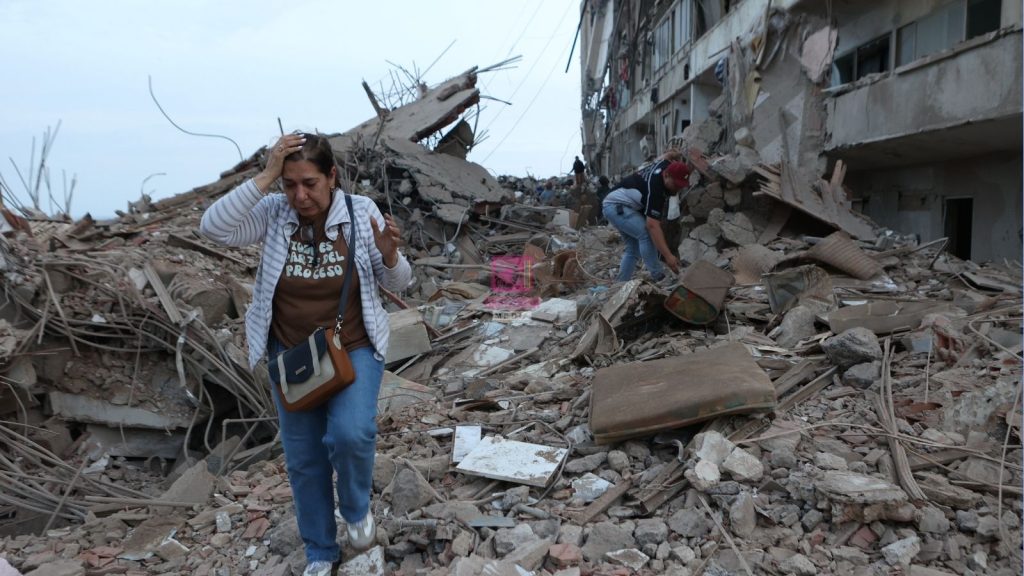
As rescue efforts continue, authorities remain focused on locating survivors, identifying victims, restoring essential services, and delivering humanitarian assistance to the thousands of families whose lives have been upended. The coming days will be crucial not only for search-and-rescue operations but also for organizing long-term recovery and reconstruction.
For now, Venezuela remains united in mourning those who have lost their lives while hoping that more survivors can still be found beneath the rubble. Communities across the country, together with international partners, continue to rally in support of the victims as emergency responders work tirelessly under extremely difficult conditions.
The disaster has left an indelible mark on the nation, reminding the world of both the devastating power of nature and the resilience of communities that come together in times of unimaginable tragedy. As recovery begins, the priority will remain saving lives, caring for survivors, rebuilding shattered communities, and helping thousands of affected families begin the long journey toward recovery.