
IEBC sets key electoral deadlines as Kenya begins preparations for the August 10, 2027 General Election.
Kenya has officially begun its journey toward the 2027 General Election after the Independent Electoral and Boundaries Commission (IEBC) unveiled a comprehensive electoral roadmap and confirmed that the country’s next General Election will be held on August 10, 2027. The announcement provides political parties, aspiring candidates, public officers, and voters with a clear timeline of activities that will shape one of the most significant democratic exercises in the country’s history.
The roadmap outlines key deadlines and requirements that stakeholders must meet in the months leading up to the election. It is designed to ensure adequate preparation, compliance with electoral laws, and smooth management of the electoral process. With slightly over a year remaining before Kenyans return to the ballot box, the announcement effectively signals the beginning of heightened political activity across the country.
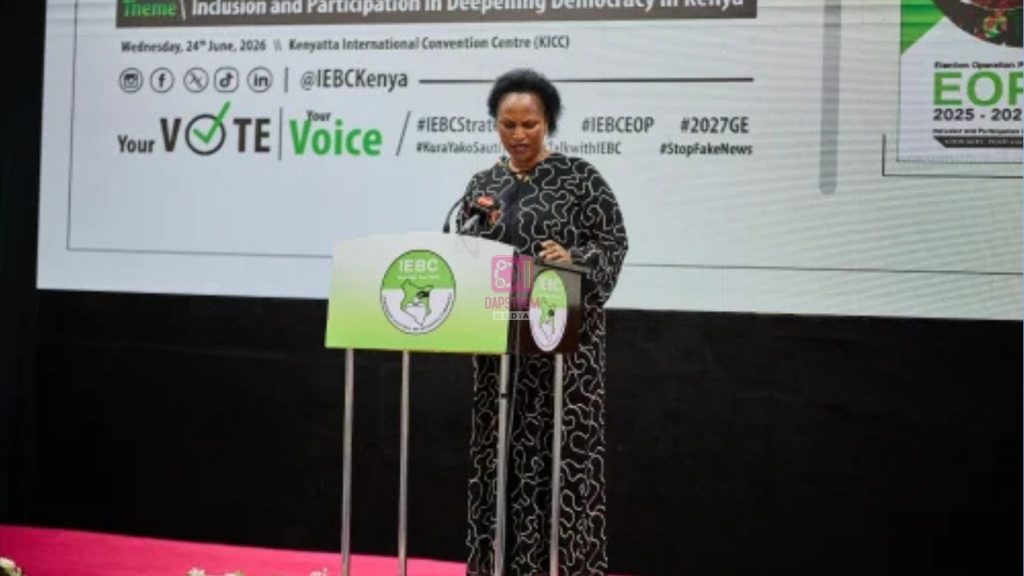
According to IEBC Commissioner Ann Nderitu, public officers intending to contest elective positions must resign from their positions by February 9, 2027. The requirement is anchored in constitutional and legal provisions aimed at ensuring fairness in elections by preventing public officers from using state resources or the influence of their offices to gain an unfair advantage during campaigns.
The resignation deadline is expected to affect a wide range of government officials, including civil servants, members of constitutional commissions, senior state officers, and employees of public institutions who may be considering political careers. Historically, election periods have seen several public officers leave their positions to pursue gubernatorial, parliamentary, senatorial, and county assembly seats.

Political analysts expect the resignation deadline to trigger major political realignments as individuals position themselves for various contests. It is likely that several high-profile resignations will occur in the months leading up to February 2027 as aspirants seek to comply with the law while preparing their campaigns.
The commission has also directed political parties to submit their membership registers and nomination schedules by March 16, 2027. This requirement is expected to play a crucial role in ensuring transparency and accountability within political parties. Membership registers are particularly important because they help establish who is eligible to participate in party primaries and internal decision-making processes.
Political parties are expected to use the period before the deadline to verify and update their membership records. In previous election cycles, disputes over party membership have often contributed to confusion during nominations and triggered legal challenges. The IEBC’s timeline is intended to reduce such disputes by ensuring that party records are finalized well before nominations begin.
Another major milestone outlined in the roadmap is the requirement that political parties complete their primaries and resolve all nomination disputes by May 9, 2027. Party nominations are often among the most competitive and contentious phases of Kenya’s electoral process. In many instances, securing a party ticket can be more difficult than winning the general election itself, particularly in regions where certain parties enjoy overwhelming support.
Nomination disputes have historically posed significant challenges during election periods. Allegations of irregularities, voter manipulation, favoritism, and procedural violations have frequently resulted in court cases and appeals before party tribunals. By setting a clear deadline for resolving such disputes, the commission aims to prevent unresolved conflicts from spilling into the official nomination and campaign period.
The roadmap also places obligations on individuals seeking to contest as independent candidates. Such candidates must formally sever ties with political parties by May 9, 2027, the same deadline set for completion of party primaries. This requirement is intended to prevent individuals from simultaneously pursuing party nominations while maintaining the option of running as independents.
Independent candidates have increasingly become an important feature of Kenya’s electoral landscape. In recent elections, several candidates who lost party nominations successfully contested seats as independents, demonstrating growing voter willingness to support individuals outside traditional party structures. The IEBC’s timeline provides clarity on the procedures such candidates must follow before entering the race.
Voter registration remains one of the most critical components of the electoral process, and the commission has announced that voter registration will close and be certified on June 12, 2027. This deadline gives eligible citizens a limited window to register and verify their details before the election.
The voter register serves as the foundation of any credible election. Ensuring its accuracy is essential in maintaining public confidence in the electoral process. The certification process allows the commission to finalize voter data, remove duplicate entries, and prepare for the logistical demands of polling day.
Political parties and civil society organizations are expected to intensify voter registration campaigns as the deadline approaches. Particular attention is likely to be directed toward young people who will have attained voting age by 2027, as well as citizens who may have changed their places of residence and need to update their registration details.
Candidate nominations will take place between May 29 and June 11, 2027. During this period, individuals seeking elective office will formally present their nomination papers to the commission for verification and clearance. This stage is critical because it determines who will ultimately appear on the ballot.
The nomination process involves extensive scrutiny of candidates’ qualifications, academic credentials, legal compliance, and fulfillment of constitutional requirements. The commission is expected to conduct thorough verification exercises to ensure that only eligible candidates are cleared to contest.
Following the conclusion of nominations, the country will transition into the official campaign season. Political parties and candidates will intensify their efforts to convince voters, unveiling manifestos, conducting rallies, engaging communities, and participating in public debates. The campaign period is likely to dominate national discourse as candidates seek to address issues such as the economy, unemployment, healthcare, education, infrastructure, governance, and security.
The IEBC has announced that the official campaign period will end on August 7, 2027, three days before the election. The cooling-off period is intended to provide voters with time to reflect on campaign messages and make informed decisions before heading to the polls.
The announcement of the election roadmap comes at a crucial time for Kenya’s democracy. Elections are not merely about choosing leaders; they also serve as an opportunity for citizens to evaluate government performance, influence policy direction, and shape the country’s future. The roadmap provides predictability and allows stakeholders to prepare adequately for each stage of the process.
For political parties, the timeline presents both opportunities and challenges. They must organize internal structures, recruit candidates, mobilize supporters, and manage nominations while ensuring compliance with electoral regulations. For aspiring candidates, the roadmap offers clarity regarding deadlines and expectations, enabling them to plan their campaigns strategically.
For voters, the roadmap serves as an important reminder of their role in the democratic process. Registering to vote, verifying personal details, and participating peacefully in the election will be essential in ensuring a credible and inclusive outcome.
As Kenya begins the countdown to August 10, 2027, the focus will increasingly shift toward political alliances, campaign strategies, policy debates, and voter mobilization efforts. The months ahead are expected to witness heightened political activity as parties and candidates position themselves for what promises to be a highly competitive election.
The IEBC’s roadmap provides the structure needed to guide the country through this process. If implemented effectively and supported by all stakeholders, it could help deliver a transparent, credible, and peaceful election that strengthens public confidence in Kenya’s democratic institutions and electoral system.