
Kenya Moves Birth Certificate Services Online Through eCitizen Platform in Major Digital Shift
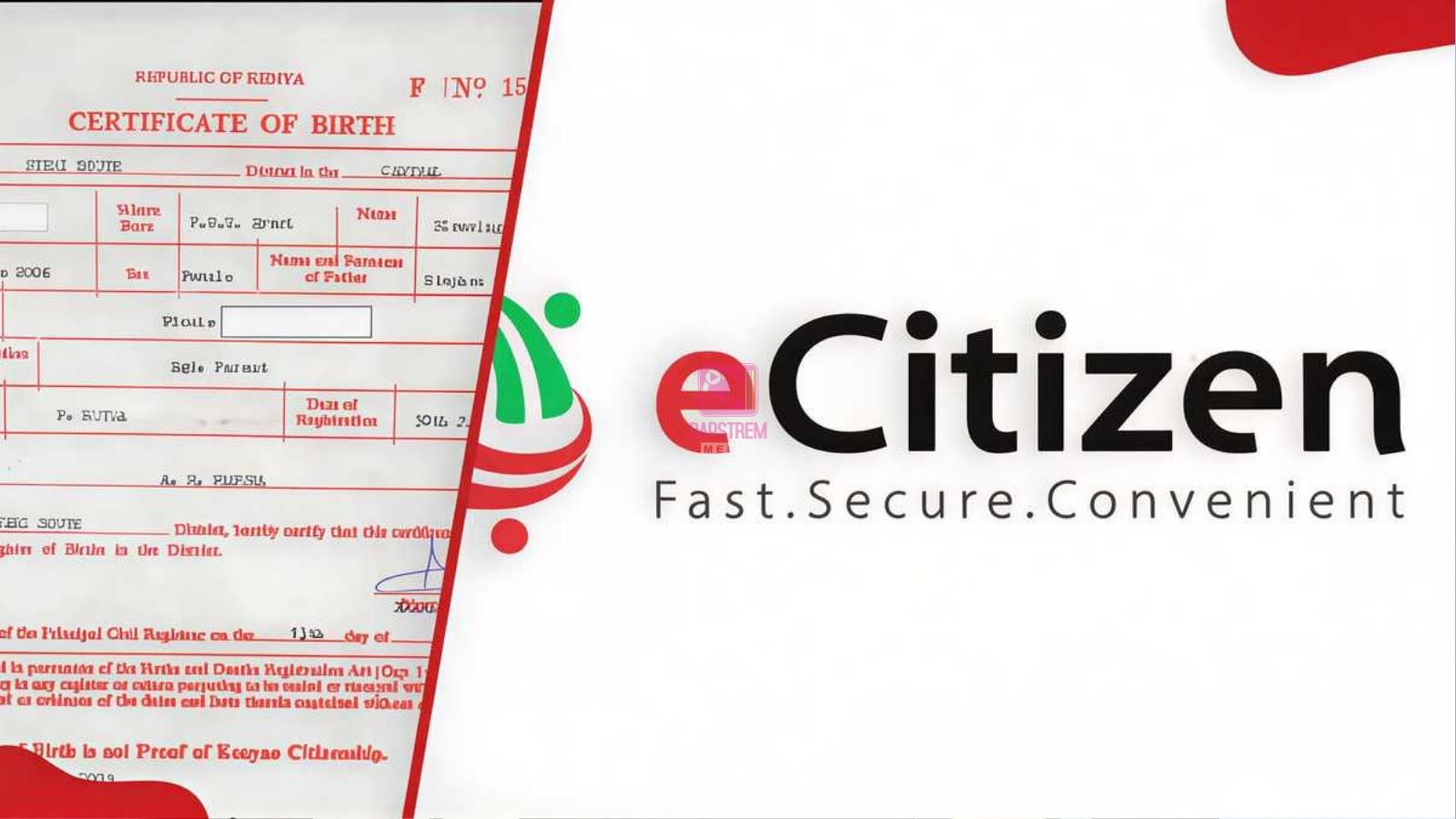
Kenyans can now download and print birth certificates online through the eCitizen platform, marking a major milestone in the country’s ongoing digital transformation of government services. The new development eliminates the need for physical visits to civil registry offices, Huduma Centres, or other government offices for collection of the document, significantly reducing the time, cost, and inconvenience previously associated with the process.
The announcement was made by Interior Cabinet Secretary Kipchumba Murkomen following a high-level meeting at Nyayo House that brought together officials from the State Department for Immigration and Citizen Services. The decision is part of a broader government push to modernize public service delivery and make essential documents more accessible to citizens across the country.
For many years, obtaining a birth certificate in Kenya has been a time-consuming process, often involving long queues, repeated follow-ups, and delays caused by manual verification systems. In some cases, applicants had to travel long distances to reach civil registration offices, particularly in rural areas where access to government services is limited. These challenges have now been significantly reduced with the introduction of the digital download and print system.
According to the Interior Ministry, the change was informed by feedback collected during the Jukwaa la Usalama public engagements, where citizens raised concerns about inefficiencies in accessing identification and civil registration documents. Many Kenyans expressed frustration over delays, lack of transparency, and the need for multiple physical visits to complete simple administrative procedures.
The new system is expected to streamline the entire birth certificate process by allowing users to apply, track, and now directly download approved certificates through the eCitizen platform. Once processed and verified, the document can be accessed online and printed instantly, removing the final step of physical collection from government offices.
Government officials have described the move as part of a larger effort to build a fully digital government ecosystem. Over the past few years, Kenya has made significant progress in digitizing public services through eCitizen, which already hosts hundreds of services from different ministries, departments, and agencies. These include passport applications, business registrations, driving license renewals, and police clearance certificates.
The introduction of downloadable birth certificates is expected to have a particularly strong impact on families, students, and job seekers who frequently require the document for school admissions, national identification registration, passport applications, and employment verification. By reducing delays, the system is likely to improve access to other essential services that depend on birth certification.
Officials involved in the implementation of the reform say the digital shift will also help reduce congestion at Huduma Centres and civil registry offices. These facilities have traditionally handled high volumes of applicants, often leading to overcrowding and extended waiting times. By moving services online, the government hopes to ease pressure on physical offices and improve efficiency across the board.
Beyond convenience, the digitization of birth certificates is also expected to enhance security and reduce fraud. Digital systems allow for better verification, tracking, and authentication of documents, making it more difficult for counterfeit certificates to circulate. This is particularly important in safeguarding the integrity of national identity systems.
The government has also emphasized that the move will support broader efforts to improve data management within the civil registration system. By integrating records into a centralized digital platform, authorities can more easily update, verify, and manage vital statistics, including births and deaths, which are essential for national planning and resource allocation.
However, the transition to fully digital services is not without challenges. Concerns have been raised about digital access inequality, particularly among citizens in remote areas who may lack reliable internet connectivity or access to smartphones and computers. The government has acknowledged these concerns and indicated that Huduma Centres and local administrative offices will continue to provide support for those who need assistance navigating the online system.
There are also ongoing discussions about system reliability and cybersecurity, especially given the sensitive nature of personal data stored on government platforms. As more services move online, ensuring data protection and system resilience becomes increasingly important. The government has in recent years invested in strengthening its digital infrastructure to address such risks, but experts continue to emphasize the need for continuous upgrades and monitoring.
The rollout of downloadable birth certificates is part of Kenya’s wider vision of becoming a digitally enabled government that prioritizes efficiency, transparency, and citizen-centered service delivery. The eCitizen platform has already transformed how Kenyans interact with government services, and this latest addition further expands its role as a central hub for public administration.
For many citizens, the change represents a significant improvement in how government services are accessed. What once required multiple visits, paperwork, and waiting periods can now be completed with a few clicks, reflecting a shift toward a more modern and responsive public service system.
As the system continues to be implemented, attention will focus on its reliability, user experience, and accessibility across different regions of the country. If successful, the reform could serve as a model for further digitization of other civil registration services, including marriage certificates, death certificates, and adoption records.
The move signals a major step forward in Kenya’s digital governance journey. By bringing essential services closer to citizens through technology, the government is not only improving efficiency but also reshaping how public services are delivered in the 21st century.