
U.S-Iran Deal Ends Hostilities, Reopens Strait of Hormuz and Signals New Chapter in Regional Stability
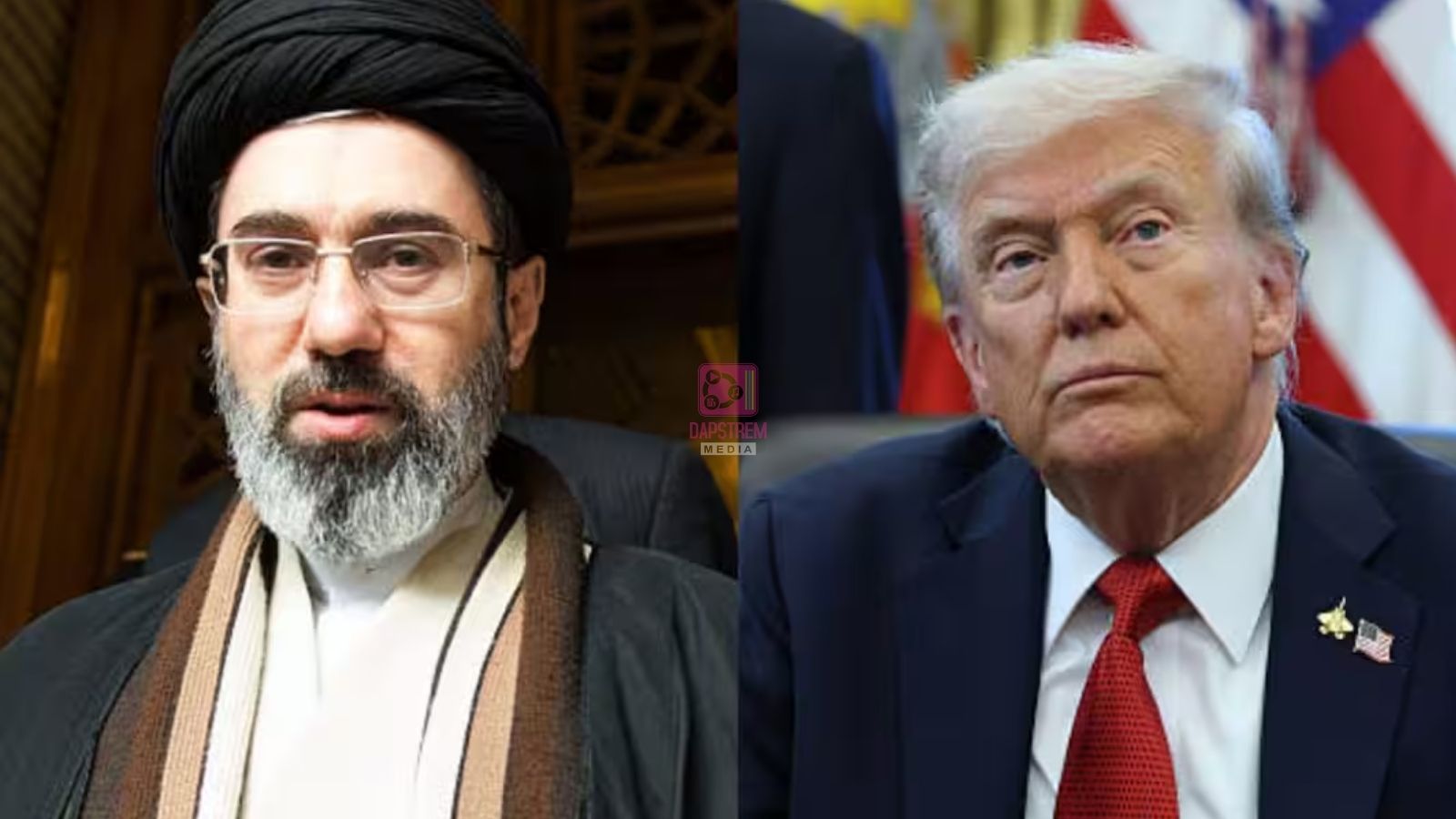
In a development that could reshape the geopolitical landscape of the Middle East and bring relief to global markets, the United States and Iran have signed an agreement aimed at ending months of conflict and reopening the strategically vital Strait of Hormuz. The deal, described by officials as a significant diplomatic breakthrough, seeks to halt military hostilities, restore freedom of navigation in one of the world’s most important shipping routes, and create a framework for broader negotiations on unresolved issues between the two nations.
The agreement comes after a prolonged period of tension that not only destabilized the Middle East but also sent shockwaves through the global economy. Military confrontations, disruptions to maritime trade, and concerns about regional security had raised fears of a wider conflict involving multiple countries. For months, governments, businesses, and international organizations watched anxiously as the situation threatened global energy supplies and economic stability.
The signing of the deal marks a dramatic shift from confrontation to diplomacy. While many challenges remain, the agreement has been welcomed by investors, energy markets, and international observers who see it as an opportunity to prevent further escalation and establish a pathway toward lasting peace.
At the center of the agreement is the reopening of the Strait of Hormuz, a narrow but critically important waterway connecting the Persian Gulf to the Arabian Sea. The strait serves as one of the world’s busiest energy corridors, carrying a substantial share of global oil and liquefied natural gas shipments. Disruptions in the strait during the conflict had created uncertainty in energy markets, triggered concerns over supply shortages, and contributed to rising fuel prices around the world.
For many countries, the reopening of the Strait of Hormuz is perhaps the most immediate and tangible outcome of the agreement. Energy-importing nations that depend on stable oil supplies are expected to benefit from improved market confidence and reduced fears of disruption. Financial markets reacted positively to news of the deal, with investors interpreting it as a sign that one of the world’s most dangerous flashpoints may be moving toward stability.
According to details released by officials, the agreement includes commitments by both sides to halt military operations and reduce actions that could reignite hostilities. The United States has reportedly agreed to begin lifting its naval blockade, while Iran has committed to allowing commercial shipping to pass freely through the Strait of Hormuz. The arrangement is expected to be implemented gradually as both sides work to build trust and verify compliance with the terms of the accord.
The conflict between the United States and Iran had become one of the most significant international crises of recent years. What began as a series of military confrontations escalated into a broader struggle that affected regional security, global trade, and diplomatic relations. The war resulted in significant human suffering, economic losses, and widespread uncertainty across the Middle East.
Communities in affected areas endured the consequences of military operations, while businesses faced disruptions to trade and investment. Airlines altered routes, shipping companies adjusted operations, and governments prepared contingency plans in response to the instability. The longer the conflict continued, the greater the concern that it could draw in additional regional and international actors.
Against this backdrop, diplomatic efforts intensified. Multiple countries and international mediators reportedly played roles in facilitating discussions between Washington and Tehran. Negotiations were often described as difficult and complex, reflecting the deep mistrust that has characterized relations between the two nations for decades. Despite these challenges, negotiators continued working toward a solution that could halt the violence and create a foundation for future dialogue.
One of the most significant aspects of the agreement is its recognition that military solutions alone cannot resolve longstanding disputes. By choosing diplomacy, both sides have acknowledged the need for sustained engagement, compromise, and dialogue. Analysts note that while the agreement may not resolve every disagreement immediately, it establishes a mechanism through which future issues can be addressed through negotiation rather than conflict.
The deal is also expected to have major economic implications. Energy markets have closely monitored developments in the Gulf region because of its importance to global oil production and transportation. News of the agreement contributed to expectations of increased supply stability, helping ease concerns about prolonged disruptions. Oil prices reportedly declined following reports of the breakthrough, reflecting optimism that normal shipping operations could resume.
For businesses around the world, stability in the Strait of Hormuz is crucial. Countless industries depend on reliable energy supplies, and disruptions can affect everything from transportation and manufacturing to food production and consumer prices. A more secure shipping environment could help reduce uncertainty and support economic growth in multiple regions.
The agreement also has important political implications. Leaders in neighboring countries are expected to closely monitor implementation of the deal, as regional stability directly affects their security and economic interests. Some governments have welcomed the development as a step toward reducing tensions, while others remain cautious, emphasizing the need for strict compliance and continued monitoring.
Security experts have noted that the success of the agreement will depend largely on implementation. Ceasefires and peace accords often face challenges during their early stages, particularly when trust between parties remains limited. Verification mechanisms, diplomatic engagement, and consistent communication will be essential to preventing misunderstandings that could threaten the fragile progress achieved so far.
Another major issue expected to dominate future negotiations is Iran’s nuclear program. While the current agreement focuses primarily on ending hostilities and restoring maritime access, broader questions regarding nuclear activities, sanctions, and regional security remain unresolved. Officials have indicated that further discussions will take place in an effort to reach a more comprehensive settlement.
The international community will be watching these negotiations carefully. A successful long-term agreement could significantly alter the security dynamics of the Middle East and create opportunities for expanded economic cooperation. Failure, however, could risk a return to confrontation and renewed instability.
Public reaction to the agreement has been mixed. Many people have expressed relief that the prospect of a wider war appears to be diminishing. Families affected by the conflict hope the deal will bring an end to violence and allow reconstruction efforts to begin. At the same time, skeptics question whether the agreement can survive the political pressures and strategic disagreements that have historically complicated relations between the United States and Iran.
Despite these uncertainties, the agreement represents one of the most significant diplomatic developments in recent years. It demonstrates that even after prolonged conflict, dialogue remains possible. The decision to reopen the Strait of Hormuz and halt military operations offers a chance to stabilize a region that has experienced years of tension and insecurity.
As implementation begins, attention will shift from the signing ceremony to the practical realities of carrying out the commitments made by both sides. Governments, businesses, investors, and ordinary citizens will be watching closely to see whether the agreement delivers on its promises.
The signing of the U.S.-Iran deal stands as a powerful reminder that diplomacy can still provide solutions to some of the world’s most difficult conflicts. While many obstacles remain, the agreement has created a rare moment of optimism, offering hope that a path toward peace, economic recovery, and regional stability may finally be emerging.