Boniface Mwangi Elected Ukweli Party Leader in Landmark Move at National Delegates Conference
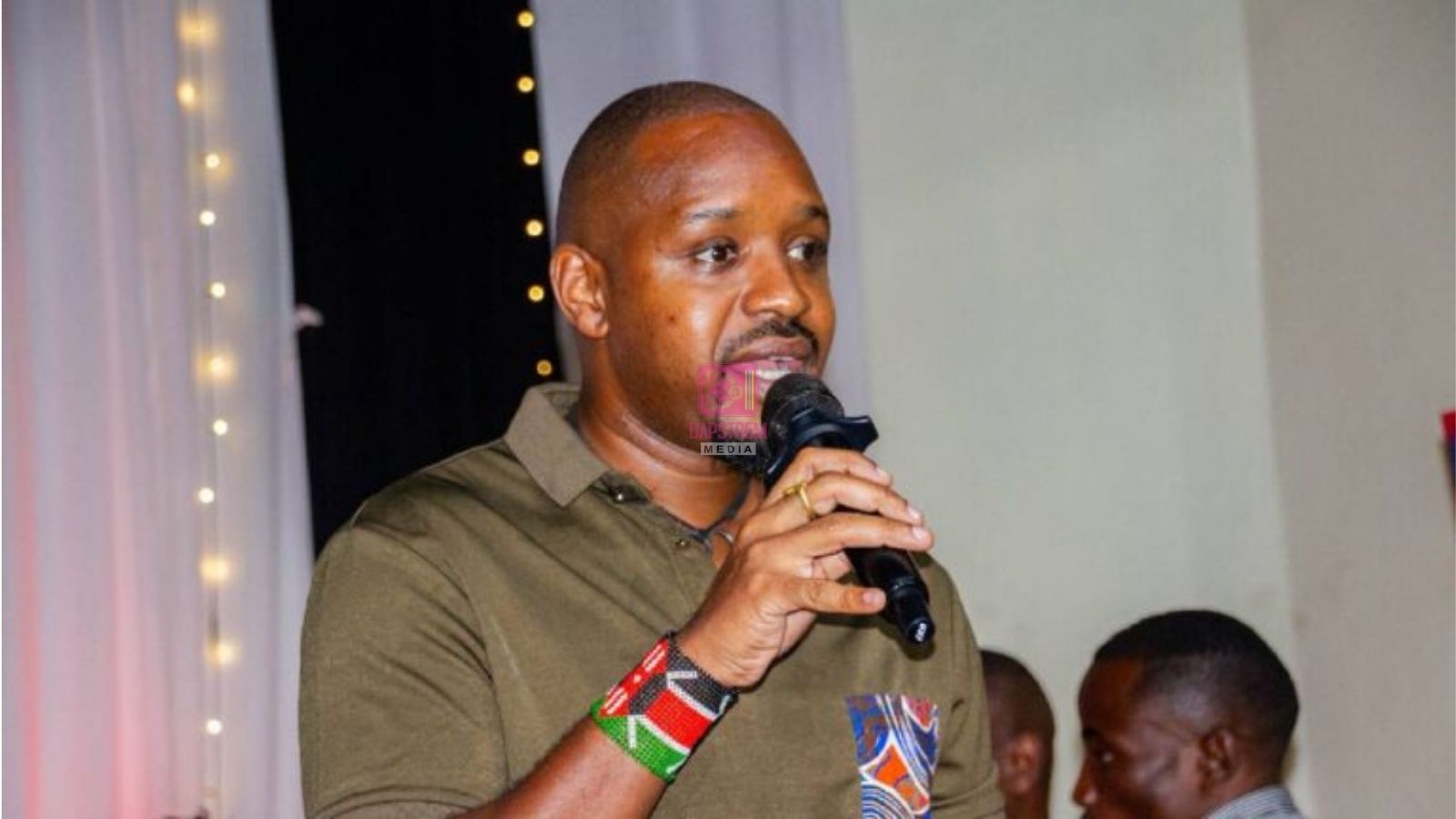
Prominent Kenyan activist, photojournalist, and governance campaigner Boniface Mwangi has officially been elected as the party leader of the Ukweli Party during the party’s National Delegates Conference held in Nairobi. The election marks a significant moment not only for the relatively young political outfit but also for Kenya’s broader political landscape, where civil society actors are increasingly seeking to translate activism into formal political leadership.
Mwangi’s election comes after years of positioning himself as one of the country’s most outspoken voices on issues of accountability, human rights, corruption, and good governance. His transition from the streets and civil society campaigns into the helm of a political party signals what many observers believe is a deliberate attempt to reshape Kenya’s politics from within the system rather than solely through activism and public pressure.
Delegates from across the country gathered in Nairobi for the conference, which was aimed at reorganizing and strengthening the party ahead of future political contests. The meeting brought together party officials, grassroots leaders, youth representatives, and supporters who deliberated on the party’s direction, internal structures, and leadership. At the end of the exercise, Boniface Mwangi emerged as the new party leader, receiving overwhelming support from delegates who argued that his track record of advocacy and fearless criticism of poor governance made him the ideal person to steer the party into a new era.
In his acceptance speech, Mwangi reportedly emphasized the need to build a political movement grounded in integrity, transparency, and service to the people. He called for a departure from personality-driven politics and urged Kenyans to embrace issue-based leadership that prioritizes the public interest over individual gain. According to him, the country has reached a point where citizens can no longer afford to remain spectators while decisions affecting their future are made by a small political elite.
The election of Boniface Mwangi is notable because of his long and often turbulent history as a civil rights activist. Before entering active politics, he had already established himself as one of the most recognizable faces in Kenya’s activism space. As a former award-winning photojournalist, Mwangi documented some of the country’s most difficult moments, including the aftermath of the 2007-2008 post-election violence. His work exposed the human cost of political conflict and inspired him to become more directly involved in campaigns advocating for justice and accountability.

Over the years, he has led and participated in numerous demonstrations against corruption, abuse of power, and what he has frequently described as the culture of impunity within public institutions. His activism has often placed him at odds with state authorities, leading to arrests, court battles, and occasional confrontations with law enforcement agencies. Yet despite these challenges, he has consistently maintained that active citizen participation is essential for protecting democracy and ensuring that leaders remain accountable to the people they serve.
Mwangi’s decision to take up a formal political role reflects a growing belief among some activists that meaningful change cannot be achieved through advocacy alone. While protests and civic education campaigns play an important role in shaping public opinion, political power ultimately lies within institutions that make and implement policy. By leading a political party, he now has an opportunity to transform many of the ideals he has championed over the years into a concrete political agenda.
The Ukweli Party, whose name is derived from the Swahili word for “truth,” has often positioned itself as a reform-oriented movement focused on ethical leadership and citizen-centered governance. Although it has not traditionally enjoyed the national reach or resources of Kenya’s larger political parties, its leaders have sought to differentiate it by emphasizing transparency, accountability, and grassroots engagement. The election of a nationally recognized activist like Boniface Mwangi is expected to significantly raise the party’s profile and potentially attract a new generation of politically active young Kenyans.
Political analysts suggest that the move could reshape the party’s fortunes ahead of future elections. Mwangi enjoys a substantial following, particularly among young people and urban voters who identify with his anti-corruption message and his willingness to challenge the political establishment. His social media presence and years of public engagement have given him a platform that extends far beyond traditional political structures, allowing him to communicate directly with supporters and mobilize citizens around key issues.
However, the transition from activism to party politics is rarely straightforward. Throughout history, many activists who have entered formal politics have discovered that governing and campaigning involve different challenges. Building party structures, negotiating political alliances, managing internal interests, and competing in elections require a different set of skills from organizing demonstrations and advocacy campaigns. Boniface Mwangi will now be tasked with transforming the Ukweli Party from a values-driven movement into a competitive political organization capable of fielding candidates and influencing national policy.
The challenges facing the new party leader are considerable. Kenya’s political environment remains highly competitive, with established parties enjoying extensive networks, financial resources, and long-standing regional support bases. Smaller parties often struggle to gain visibility outside election periods and frequently find themselves overshadowed by larger political coalitions. To succeed, Mwangi will need to build a robust grassroots network, expand the party’s national footprint, and convince voters that Ukweli offers a credible alternative to the traditional political establishment.
Supporters of his election believe that his reputation for consistency and courage could prove to be the party’s greatest asset. Unlike many politicians who emerge from established political dynasties or career party structures, Mwangi has built his public image around confronting corruption and demanding accountability regardless of which administration is in power. This independence has earned him respect among sections of the public who feel disillusioned by conventional politics and are seeking leaders who are willing to challenge the status quo.
At the same time, his critics argue that activism and governance require different approaches, and they will be watching closely to see whether he can convert his ideals into practical policy proposals. Questions about economic development, healthcare, education, employment, and national security will inevitably feature prominently as the party seeks to define its agenda under his leadership. Moving beyond criticism of existing systems to presenting workable solutions will be one of the key tests facing the new Ukweli Party leadership.
The National Delegates Conference also served as an opportunity for the party to reaffirm its commitment to internal democracy. Party officials noted that the election process was intended to reflect the values of openness and accountability that the organization advocates for nationally. Delegates emphasized that political parties themselves must become models of democratic practice if they are to inspire public confidence and contribute meaningfully to the country’s democratic development.
Mwangi’s elevation to the top party position also comes at a time when discussions around youth participation in politics have gained renewed momentum in Kenya. A significant percentage of the country’s population is under the age of 35, yet many young people continue to express frustration with unemployment, economic challenges, and what they perceive as exclusion from major political decision-making processes. His leadership could potentially energize younger voters who have often felt disconnected from mainstream politics.
In many of his public speeches over the years, Boniface Mwangi has argued that the future of Kenya depends on active citizenship and a willingness by ordinary people to engage in governance rather than leaving politics to a select few. His election as party leader appears to be a practical extension of that philosophy. Instead of merely calling for change from outside government structures, he is now positioning himself to pursue that change through the ballot and through institutional leadership.
The coming months are likely to be crucial for both Mwangi and the Ukweli Party. Attention will turn to how he reshapes the party’s leadership structures, articulates its policy priorities, and expands its influence across the country. Observers will also be keen to see whether the party seeks strategic alliances with other reform-minded groups or chooses to chart an independent political path.
Regardless of the political outcomes that lie ahead, Boniface Mwangi’s election as leader of the Ukweli Party represents an important moment in Kenya’s evolving democratic journey. It underscores the increasingly blurred line between activism and politics and highlights the growing demand for leaders who can combine civic engagement with institutional action.
For his supporters, the election symbolizes hope for a different kind of politics—one rooted in truth, accountability, and public service. For the party itself, it marks the beginning of a new chapter under a leader whose career has been defined by challenging authority and advocating for change. Whether that energy can be successfully translated into political success remains to be seen, but one thing is certain: Boniface Mwangi’s entry into the leadership of the Ukweli Party has added a new and potentially transformative dimension to Kenya’s political conversation.