DR Congo Show Resilience as Wissa’s Equalizer Secures Historic 1-1 Draw Against Portugal
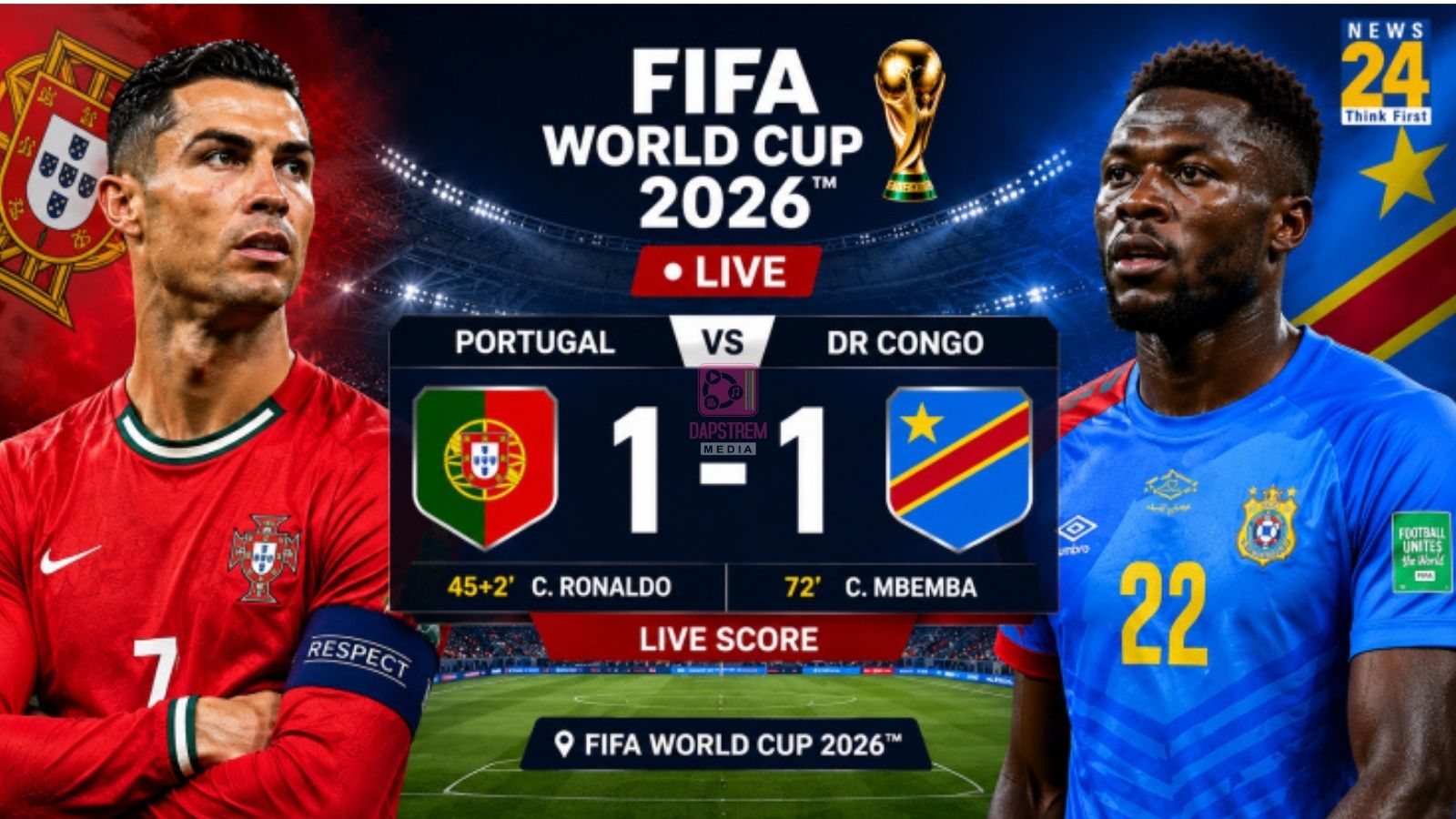
The Democratic Republic of Congo produced one of their most disciplined and spirited performances on the international stage after holding football giants Portugal to a 1-1 draw in a tense encounter that showcased resilience, tactical discipline, and moments of brilliance from both sides.
The match began with Portugal asserting early dominance, as expected from a team stacked with world-class talent and accustomed to controlling possession against most opponents. Their intent was clear from the opening whistle, with quick passing sequences, high pressing, and aggressive movement in the final third. It did not take long for the pressure to pay off.
João Neves opened the scoring early for Portugal, finishing off a well-worked move that reflected the fluidity and technical precision of the Portuguese midfield. The goal appeared to set the tone for what many expected to be a comfortable evening for the European side, who quickly settled into their rhythm and began dictating the tempo of the game.
However, DR Congo refused to be overwhelmed. Instead of collapsing under pressure, the African side gradually grew into the match, organizing their defensive structure and beginning to disrupt Portugal’s passing flow. Their midfield began closing spaces more effectively, while the backline absorbed pressure with increasing confidence.
The turning point came as DR Congo started to exploit transitions and counter-attacking opportunities. Using pace, physicality, and direct forward runs, they began to stretch the Portuguese defense, forcing mistakes and creating openings in dangerous areas. The persistence eventually paid off.
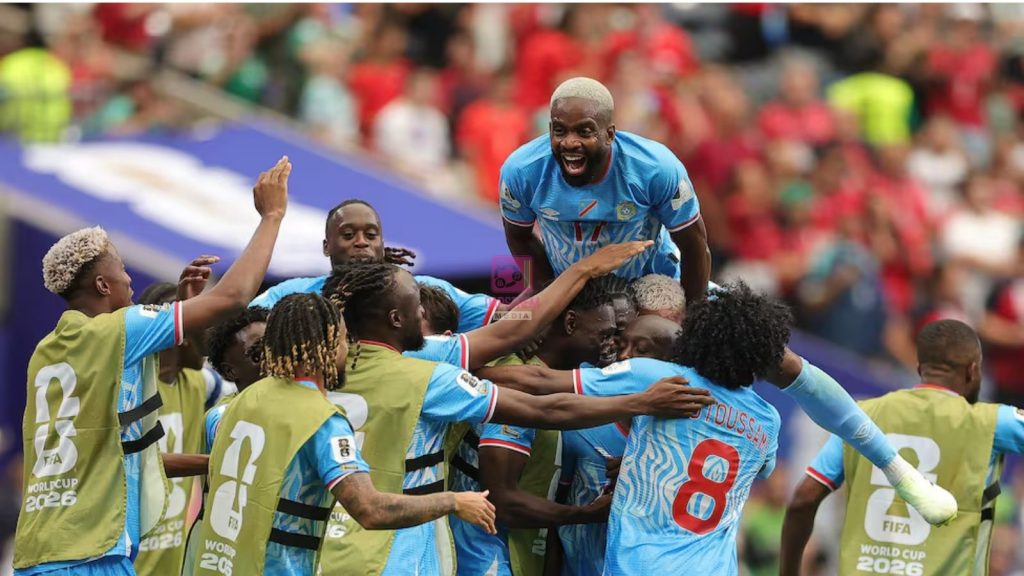
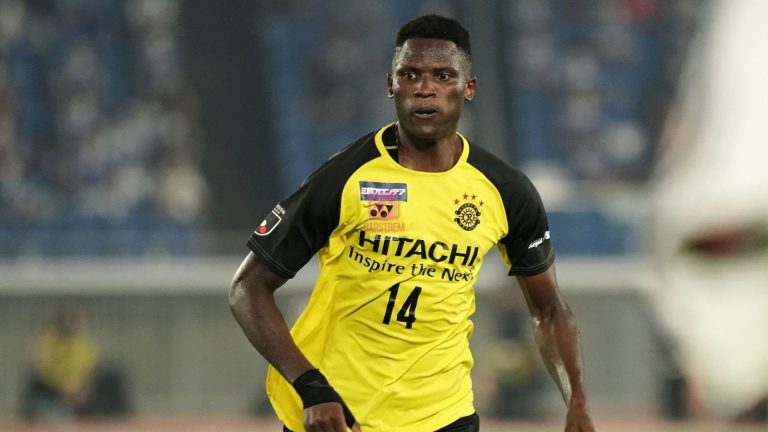
Yoane Wissa delivered the equalizer that brought DR Congo back into the contest, finishing clinically after a well-executed attacking move. The goal was celebrated with intensity, not just for its technical execution but for what it represented: belief, resilience, and the ability to compete against one of Europe’s elite national teams.
From that moment, the match transformed into a balanced contest. Portugal continued to enjoy more possession, but DR Congo remained dangerous whenever they broke forward. The African side’s confidence visibly grew, and their defensive organization frustrated Portugal’s attempts to regain control of the scoreboard.
Portugal, meanwhile, attempted to restore their lead through sustained attacking pressure. Their midfield tried to unlock DR Congo’s defensive lines with intricate passing, while wingers looked to exploit space in wide areas. Despite their efforts, they repeatedly found themselves denied by disciplined defending and timely interventions.
The match also highlighted the growing competitiveness of African national teams on the global stage. DR Congo’s performance reflected a broader trend in international football, where traditional powerhouses are increasingly being challenged by well-organized, physically strong, and tactically intelligent African sides capable of competing at the highest level.
For DR Congo, the draw will feel like more than just a point on the board. It will be viewed as a statement performance, one that reinforces their progress and potential in international football. Matches like these serve as confidence boosters and benchmarks for future competitions, especially against top-ranked opposition.
For Portugal, the result will likely be seen as a missed opportunity. While they showed quality in spells, the inability to maintain their lead and close out the game will raise questions about game management and defensive concentration. Against stronger opposition in major tournaments, such lapses can prove costly.
Beyond the result itself, the match also provided individual moments of note. João Neves once again demonstrated his growing influence in midfield with a composed finish and energetic performance, while Yoane Wissa’s equalizer underlined his importance as a reliable attacking outlet for DR Congo.
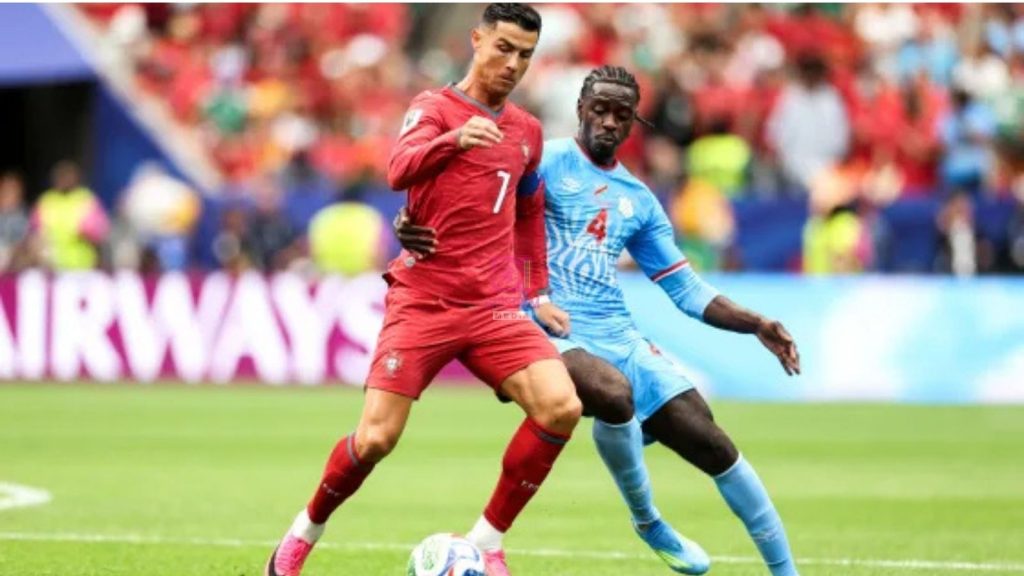
As the final whistle blew, the scoreline reflected a contest that was far more competitive than many had anticipated before kickoff. Portugal may have entered the match as clear favorites, but DR Congo’s determination ensured that the game ended in shared spoils.
Ultimately, the 1-1 draw serves as a reminder of football’s unpredictability and the narrowing gap between established football powerhouses and emerging national teams. For DR Congo, it is a result to build on. For Portugal, it is a lesson in maintaining control and respecting every opponent regardless of reputation.
As both teams move forward in their respective campaigns, this encounter will stand out as one of those matches where resilience met reputation—and refused to be intimidated.