Ecuador Declares Three Days of National Mourning for Intelligence Chief Killed in Kenya Helicopter Crash
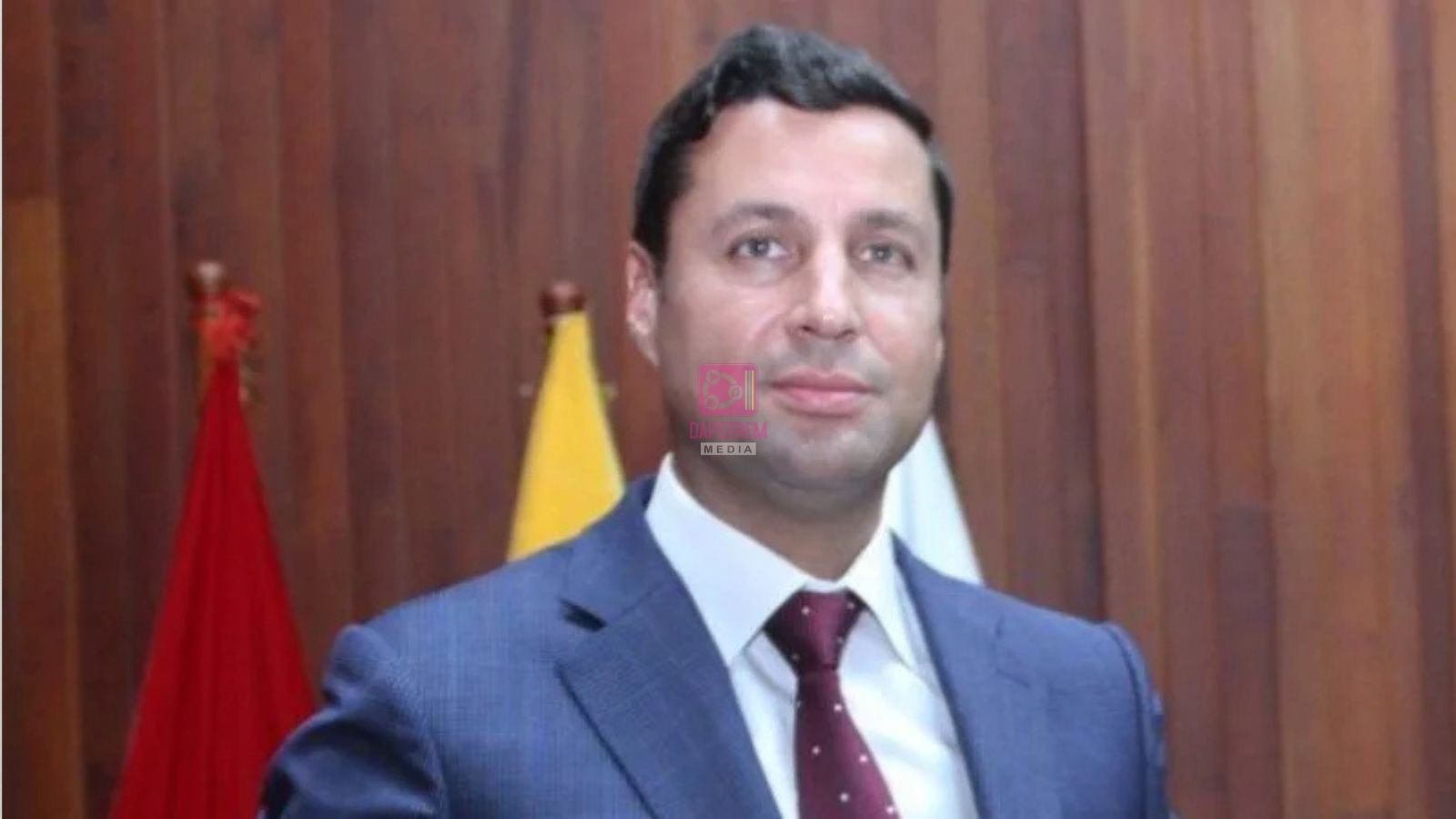
Ecuador has declared three days of national mourning following the death of the country’s intelligence chief, Michele Sensi-Contugi, who was among seven people killed when a tourist helicopter crashed near Mount Ololokwe in Samburu County, Kenya.
The decision by Ecuadorian President Daniel Noboa reflects the significance of Sensi-Contugi’s death, coming at a time when the South American country is dealing with major security challenges and relying heavily on its intelligence institutions. Ecuadorian authorities expressed deep sorrow following the death of Sensi-Contugi and his wife, Stephany Hollihan, who were both aboard the helicopter when it crashed on Wednesday, August 19, 2026.
The national mourning period is expected to see Ecuador lower its flags to half-mast as the country pays tribute to an official who occupied one of its most sensitive government positions. The gesture is not only a sign of respect for Sensi-Contugi but also an acknowledgement of the magnitude of the loss suffered by his family, colleagues and the Ecuadorian government.
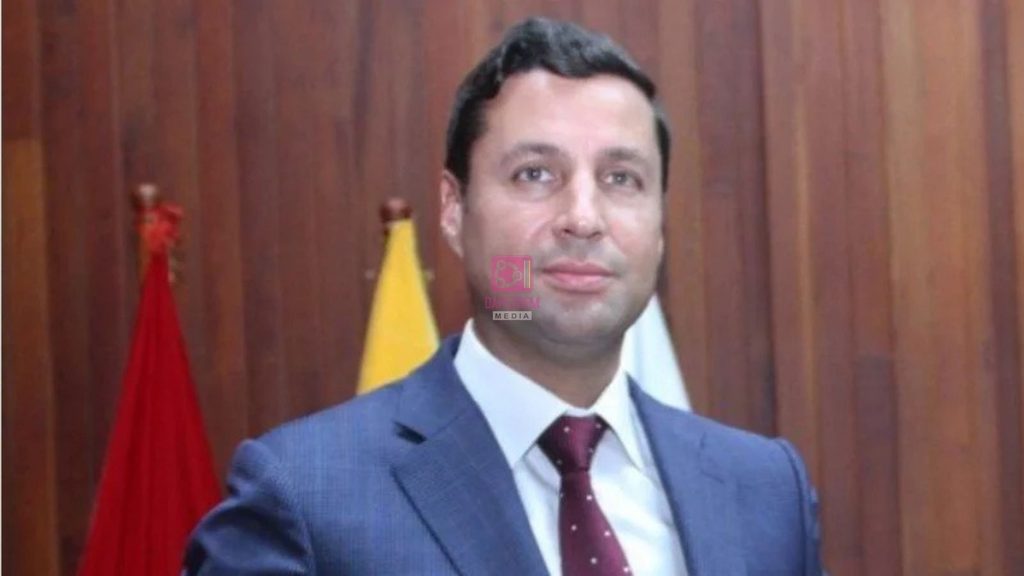
Sensi-Contugi was the Director General of Ecuador’s National Intelligence Centre, making him a central figure in the country’s security architecture. His responsibilities placed him at the heart of Ecuador’s efforts to gather intelligence, assess security threats and provide strategic information to the government.
His death in Kenya has therefore attracted attention far beyond the immediate circumstances of the helicopter crash.
The tragedy happened on Wednesday morning when a Eurocopter EC130 B4, registration 5Y-GYM, crashed near Mount Ololokwe in Samburu County. According to aviation authorities, the helicopter was travelling from the Loisaba Conservancy towards the Ewaso Nyiro area when it went down at approximately 9:13 a.m.
All seven people aboard the aircraft died in the accident.
Among the victims were Sensi-Contugi and his wife, Stephany Hollihan, as well as five Americans. The US State Department confirmed the deaths of American citizens and said the US Embassy was coordinating with Kenyan authorities on consular matters.
The helicopter was reportedly carrying tourists who were travelling through one of Kenya’s renowned wildlife and safari destinations.
The accident occurred in a remote and rugged area near Mount Ololokwe, a prominent landmark in Samburu known for its dramatic landscape and proximity to wildlife conservancies. The difficult terrain complicated the emergency response, with rescue and recovery teams having to reach a crash site where the helicopter was badly damaged.
The Kenya Red Cross and other emergency teams were involved in the response, while aviation authorities moved to secure the site and begin investigations.
For Ecuador, however, the incident quickly transformed from an aviation tragedy in a foreign country into a national loss.
Sensi-Contugi was not an ordinary government official. As intelligence chief, he occupied a position responsible for matters that are closely linked to national security and the protection of the state.
His sudden death therefore creates a significant vacancy within Ecuador’s security establishment.
It also leaves behind a family mourning the loss of both Sensi-Contugi and his wife.
The Ecuadorian presidency expressed condolences to the couple’s family, loved ones and colleagues, describing the deaths as a profound loss. Ecuador’s Foreign Ministry has also activated diplomatic procedures to facilitate the repatriation of the bodies. Because Ecuador does not have a diplomatic mission in Kenya, its embassy in South Africa is coordinating with Kenyan authorities and other partners in the region.
The repatriation process is likely to be an important part of the coming days as Ecuador seeks to bring the remains of its intelligence chief and his wife home.
For relatives, colleagues and friends, the national mourning period will provide an opportunity to remember the couple while the government handles the formal procedures surrounding their deaths.
The tragedy has also placed Kenya and Ecuador in an unexpected diplomatic moment.
Although the two countries are geographically far apart, the death of Ecuador’s intelligence chief on Kenyan soil has created a situation requiring cooperation between their authorities.
Kenyan aviation officials are investigating the accident, while Ecuadorian authorities are dealing with the death of one of their most senior security officials.
The investigation into the crash will therefore be closely followed in Ecuador as well as Kenya.
At this stage, authorities have not established a definitive cause of the accident.
The Kenya Civil Aviation Authority has launched an investigation into the circumstances surrounding the crash. Investigators will be expected to examine the aircraft, its maintenance records, flight path, weather conditions, pilot decisions and other factors that could have contributed to the accident.
That process will take time, particularly because aviation investigations require careful examination of physical evidence and technical information.
The crash occurred in an area where mountainous terrain can present challenges to aircraft operations. Mount Ololokwe rises dramatically from the surrounding landscape, and the wider Samburu region contains large areas of rugged terrain and remote wildlife conservancies.
However, the terrain alone cannot be identified as the cause of the crash without evidence.
Investigators will need to establish what happened during the final moments of the helicopter’s flight.
They will also need to determine whether there was any mechanical problem, adverse weather, human error or another factor involved.
The aircraft was reportedly operating a scenic flight from the Loisaba area towards Ewaso Nyiro, a region associated with some of northern Kenya’s most famous wildlife destinations.
Such helicopter flights have become an important part of Kenya’s luxury tourism industry.
They provide visitors with an opportunity to move quickly between remote lodges and conservancies while also experiencing the country’s landscapes from the air.
For tourists travelling through northern Kenya, helicopter flights can offer access to areas that are difficult to reach by road.
But the accident has also highlighted the risks associated with aviation operations in remote areas.
For the families of the seven victims, the journey was supposed to be part of a memorable visit to Kenya.
Instead, it ended in tragedy.
The identities and backgrounds of the victims have drawn international attention because of their professional and personal profiles. Sensi-Contugi’s position as Ecuador’s intelligence chief has made his death particularly significant, while some of the American victims were also prominent in their respective fields. Reports identified José Alberto Suárez, a senior Telemundo executive, among those killed.
The tragedy has therefore affected families in several countries.
It has also brought together different governments and diplomatic institutions as authorities work to assist relatives and manage the aftermath.
The three-day mourning period in Ecuador is a reflection of the country’s recognition of Sensi-Contugi’s public service.
His death comes at a sensitive time for Ecuador, which has been confronting serious security challenges, including organised crime and violence.
The country’s intelligence agencies play a crucial role in helping the government understand emerging threats and coordinate national security responses.
Losing the head of the intelligence agency unexpectedly is therefore likely to have operational and institutional implications.
The government will need to ensure continuity within the intelligence service while also allowing colleagues and family members time to mourn.
The appointment of a successor will eventually become an important decision for President Noboa’s administration.
Whoever takes over the position will inherit the responsibility of leading Ecuador’s intelligence operations during a period in which security remains one of the government’s major priorities.
But before those political and institutional questions take centre stage, the government is focusing on mourning and the repatriation of the victims.
The Ecuadorian flag flying at half-mast will serve as a visible national symbol of the country’s grief.
For many Ecuadorians who may never have known Sensi-Contugi personally, the gesture will nevertheless represent the loss of a senior public servant who held one of the country’s most important security positions.
The national mourning period will also give the country an opportunity to reflect on the human cost of the tragedy.
Behind the official title of intelligence chief was a husband, family member, colleague and friend.
His wife, Hollihan, also lost her life in the same accident.
The couple had travelled to Kenya together and their deaths have added a deeply personal dimension to the tragedy.
Their family now faces the difficult task of grieving two loved ones at the same time.
The fact that their deaths occurred thousands of kilometres from Ecuador makes the situation even more complicated.
International repatriation of remains requires coordination between governments, airlines, authorities and families.
Ecuador’s Foreign Ministry has therefore become an important link between the victims’ relatives and authorities in Kenya.
The absence of an Ecuadorian embassy in Kenya means diplomatic coordination is being handled through Ecuador’s mission in South Africa, working with Kenyan authorities and other regional partners.
This is expected to continue until the remains are formally released and arrangements for their return home are completed.
Meanwhile, Kenya’s aviation authorities face the responsibility of establishing what caused the accident.
The investigation will be important not only for the victims’ families but also for the tourism and aviation sectors.
Kenya’s tourism industry relies heavily on international visitors who travel to wildlife conservancies and national parks across the country.
Helicopters play an important role in connecting remote safari destinations.
Ensuring the safety of such operations is therefore critical to maintaining confidence in Kenya as a tourist destination.
The crash should not, however, lead to speculation about the safety of all tourism flights in Kenya.
Instead, the focus should remain on establishing the specific circumstances surrounding this particular aircraft and flight.
Aviation safety investigations are designed to identify causes and contributing factors so that similar accidents can be prevented in the future.
If investigators identify technical problems, operational shortcomings or other safety concerns, the findings can inform changes across the industry.
That is why the investigation must be thorough and independent.
The death of an intelligence chief also means that the accident will naturally attract greater international attention than an ordinary tourist accident might.
Governments in Ecuador, the United States and Kenya are now connected through the tragedy.
The United States has confirmed that several of its citizens died in the crash, while Ecuador is mourning its intelligence chief and his wife.
Kenya is responsible for investigating an accident that occurred on its territory.
The international nature of the victims means that the findings of the investigation will be closely followed beyond Kenya’s borders.
For President Noboa’s government, the coming days will involve both mourning and difficult institutional decisions.
The loss of Sensi-Contugi creates a gap at the top of Ecuador’s intelligence structure.
However, the government is likely to first focus on honouring the deceased official and supporting his family.
National mourning allows the country to pause and acknowledge the loss before turning to questions about succession and the future of the intelligence service.
The incident has also demonstrated how quickly an ordinary tourism trip can turn into an international tragedy.
Kenya is known globally for its safaris, wildlife and spectacular landscapes, and thousands of international tourists visit the country every year.
The victims were among those who came to experience that environment.
The accident near Mount Ololokwe has now placed the region at the centre of international attention for a very different reason.
As Ecuador lowers its flags to half-mast, Kenya continues to investigate the crash and work with foreign governments to assist the victims’ families.
The focus should remain on providing accurate information and avoiding speculation about the cause of the accident until investigators complete their work.
For Ecuadorians, the three days of national mourning will be a period of grief and remembrance.
For the families of the victims, it will be a time of mourning for loved ones whose lives ended far from home.
For Kenya, it is a reminder of the responsibility that comes with hosting millions of international visitors and operating aircraft in some of the country’s most remote and challenging environments.
The death of Michele Sensi-Contugi has also created a significant moment for Ecuador’s security establishment.
His position made him an important figure in the country’s government, and his sudden loss will inevitably raise questions about who will take over the leadership of the National Intelligence Centre and how the transition will be managed.
Those questions, however, can wait.
For now, Ecuador is mourning a senior public servant and his wife.
The national flag flying at half-mast will symbolise a country united in grief over the loss of two citizens in a tragedy that unfolded thousands of kilometres away.
As the bodies are prepared for repatriation and investigators continue examining the wreckage in Samburu, attention will remain on the circumstances surrounding the helicopter’s final flight.
The answers may take time, but the need for them is clear.
For the families, answers may provide some measure of understanding.
For aviation authorities, they may reveal lessons that could prevent another tragedy.
And for Ecuador, the national mourning period provides an opportunity to honour Michele Sensi-Contugi’s service to his country and remember the life he shared with his wife, Stephany Hollihan.
The tragedy in Samburu has therefore become a deeply international story — one that began with a tourist helicopter flight in the Kenyan wilderness and ended with seven lives lost, a family shattered and Ecuador mourning the sudden death of one of its most senior security officials.