Kenyans Drive Record Mobile Growth as Subscriptions Surge to 84 Million in Three Months
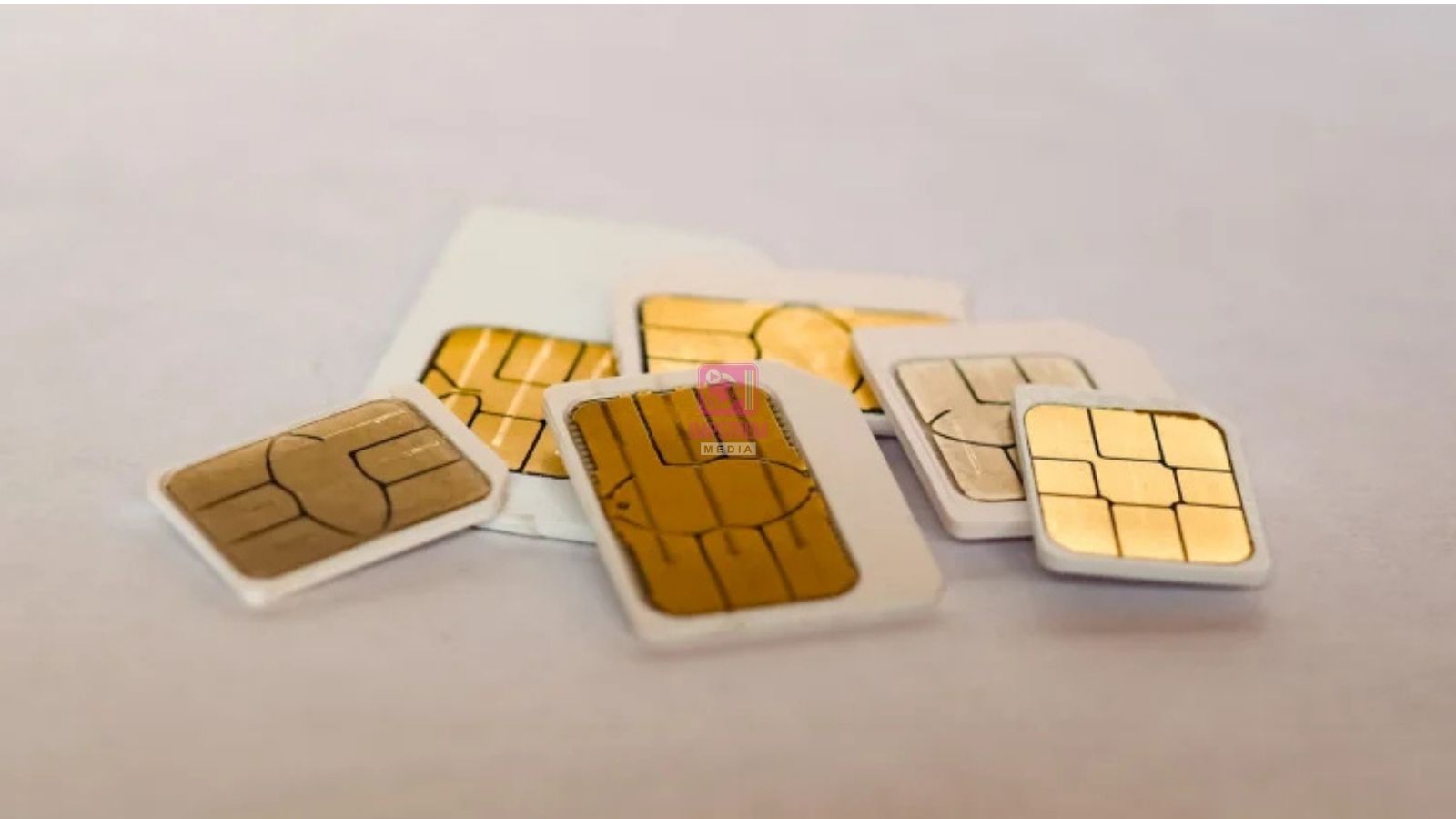
Kenya’s telecommunications sector has reached another significant milestone after the country recorded a historic surge in mobile subscriptions during the first quarter of 2026. According to the latest industry data, Kenyans added an impressive 5.7 million SIM cards between January and March, pushing the total number of active mobile subscriptions to an unprecedented 84 million.
The remarkable growth underscores the country’s deepening reliance on mobile technology for communication, financial services, business transactions, entertainment, education, and access to government services. It also highlights Kenya’s position as one of Africa’s most digitally connected economies, where mobile phones have become an essential part of everyday life for millions of citizens.
The increase in subscriptions represents one of the largest quarterly gains ever recorded in the country’s telecommunications industry. Industry observers view the surge as evidence of continued demand for connectivity, driven by increasing smartphone adoption, affordable mobile data packages, expanding network coverage, and the growing importance of digital platforms in daily economic activities.
Leading the market once again is Safaricom, which now commands approximately 58 million active subscriptions. The telecommunications giant continues to maintain a dominant position within the sector, reinforcing its status as Kenya’s largest mobile network operator and one of the most influential technology companies in East Africa.
Safaricom’s continued growth reflects years of investment in network infrastructure, innovation, and customer-focused services. The company has successfully evolved from a traditional mobile service provider into a broader digital ecosystem offering voice services, internet connectivity, mobile banking, enterprise solutions, and digital products that serve millions of individuals and businesses.
The expansion of mobile subscriptions comes at a time when Kenya’s digital economy is experiencing rapid transformation. Mobile phones have become far more than communication tools. They now serve as banking platforms, business management systems, educational resources, entertainment hubs, and gateways to government services.
For many Kenyans, a mobile phone is often the primary means of accessing the internet. Unlike developed markets where personal computers remain widely used, mobile devices dominate internet access across Kenya due to their affordability and convenience. This reality has fueled demand for SIM cards as more people seek reliable connectivity for work, study, and social interactions.
The rise in subscriptions can also be linked to the country’s vibrant mobile money ecosystem. Kenya remains globally recognized as a pioneer in mobile financial services, with millions of users depending on mobile platforms to send money, receive payments, pay bills, save funds, and conduct business transactions. Mobile money services have become deeply integrated into the economy, making mobile connectivity an essential requirement for both urban and rural populations.
Another factor contributing to the increase is the growing popularity of smartphones. In recent years, smartphone prices have become more affordable, allowing more Kenyans to transition from basic feature phones to internet-enabled devices. This shift has accelerated the consumption of digital content, social media engagement, online learning, e-commerce, and streaming services.
The youth population has played a particularly significant role in driving subscription growth. Kenya has one of Africa’s youngest populations, and young people are among the most active consumers of digital services. Social networking platforms, online gaming, video streaming, content creation, and digital entrepreneurship continue to attract millions of users, increasing demand for mobile connectivity.
Businesses have also become major contributors to subscription growth. From small traders operating in local markets to large corporations, mobile technology has become central to commercial operations. Many enterprises rely on multiple SIM cards for customer support, mobile banking, logistics coordination, marketing campaigns, and remote work arrangements.
The increase in subscriptions may also reflect the widespread practice of multiple SIM ownership among consumers. Many Kenyans maintain more than one SIM card to take advantage of different network offers, data packages, promotional rates, and coverage strengths. As a result, active subscriptions often exceed the country’s total population.
This trend has become increasingly common as network operators compete aggressively for customers through discounted voice packages, affordable internet bundles, loyalty rewards, and specialized products targeting different market segments. Consumers frequently switch between networks depending on their communication and data needs.
The growth figures also highlight the ongoing expansion of network infrastructure across the country. Telecommunications companies have invested heavily in extending coverage to underserved regions, improving internet speeds, and enhancing service reliability. These investments have enabled more people in remote and rural areas to access mobile services, contributing to the overall increase in subscriptions.
Government initiatives promoting digital inclusion have further supported the sector’s growth. Efforts to digitize public services, expand internet access, encourage digital literacy, and strengthen the country’s technology ecosystem have increased the importance of mobile connectivity for citizens seeking access to various services.
The telecommunications sector remains a critical pillar of Kenya’s economy. Beyond facilitating communication, it supports job creation, innovation, entrepreneurship, financial inclusion, and economic growth. Mobile technology has enabled thousands of businesses to emerge, particularly in sectors such as e-commerce, digital marketing, online transport services, fintech, and content creation.
Safaricom’s commanding position in the market continues to attract attention from industry analysts. With 58 million active subscriptions, the company controls a substantial share of Kenya’s mobile market. Its extensive network coverage, strong brand recognition, and diversified service offerings have helped maintain customer loyalty despite increasing competition from rival operators.
However, the broader industry remains dynamic. Competitors continue investing in infrastructure and developing innovative products aimed at attracting customers and expanding their market share. This competition has generally benefited consumers through improved service quality, lower costs, and greater access to digital solutions.
Looking ahead, industry experts expect mobile subscriptions to continue rising as Kenya moves deeper into the digital age. The rollout of advanced technologies, including expanded 4G and 5G networks, is expected to further increase demand for mobile services. Emerging technologies such as artificial intelligence, cloud computing, smart devices, and digital financial platforms are also likely to drive greater connectivity needs.
The future of Kenya’s digital economy will depend heavily on the continued growth of mobile technology. As more services migrate online and digital transformation accelerates across sectors, mobile phones will remain at the center of how citizens communicate, transact, learn, and participate in the economy.
The addition of 5.7 million SIM cards in just three months is therefore more than a telecommunications statistic. It represents a broader story about Kenya’s technological evolution, the increasing importance of digital connectivity, and the growing role of mobile technology in shaping the country’s economic and social future.
With active subscriptions now standing at 84 million and Safaricom maintaining its leadership position with 58 million subscribers, Kenya’s telecommunications sector continues to demonstrate remarkable growth and resilience. The figures serve as a powerful reminder that the country remains one of Africa’s leading digital success stories, driven by innovation, connectivity, and a population increasingly embracing the opportunities of the digital era.