

Bhang Legalization in Kenya Sparks National Debate
For years, Kenya has maintained strict laws against cannabis possession, sale and distribution. However, recent conversations across Africa and around the world are forcing many Kenyans to rethink the future of marijuana regulation.
Some believe legalization could unlock major economic opportunities.
Others fear the social and health consequences that may follow.
The debate is now becoming bigger than ever before.

Bhang Legalization in Kenya Raises Economic Questions
Supporters of Bhang Legalization in Kenya argue that cannabis could become a major economic opportunity if properly regulated.
Countries around the world are earning billions through legal cannabis industries.
The plant is now used for medical products, cosmetics, textiles, research and pharmaceutical production.
Kenya, with its strong agricultural sector, could potentially become a major producer if laws were changed.
Some economic analysts believe legal cannabis farming could create thousands of jobs for farmers and young entrepreneurs.
Tax revenues generated could also support public development projects.
This argument continues attracting attention among younger generations.
Bhang Legalization in Kenya Faces Strong Health Concerns
Despite economic opportunities, health concerns remain one of the biggest obstacles.
Medical experts continue warning that excessive marijuana use can affect mental health, concentration and brain development, especially among young users.
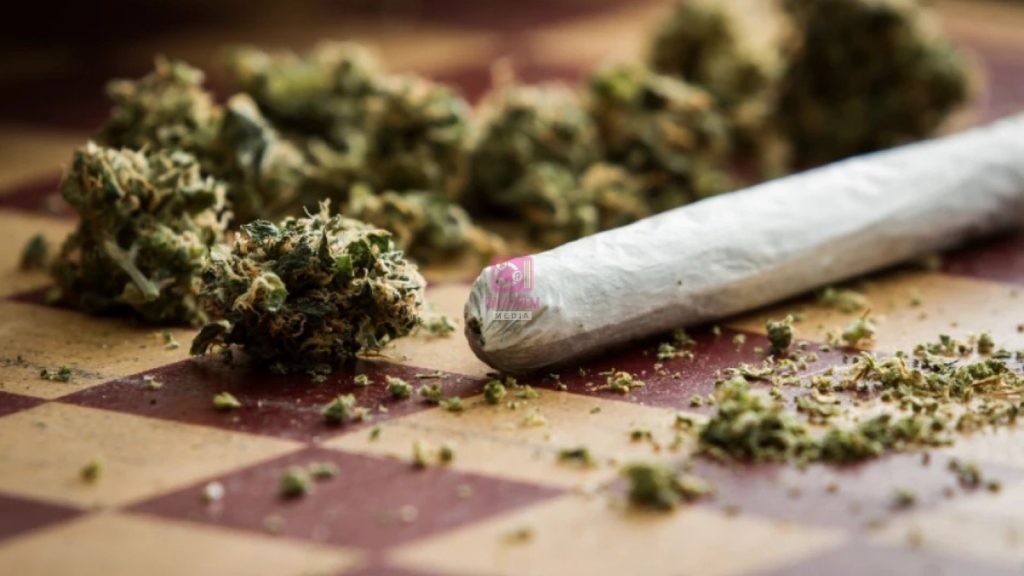
Critics argue that legalizing cannabis could increase substance abuse problems.
The Ministry of Health has previously maintained a cautious position regarding recreational drug use.
Parents and educators also worry that legalization may normalize drug culture among students and young people.
These concerns continue shaping public opinion against policy changes.
Bhang Legalization in Kenya Reflects Global Trends
The conversation around Bhang Legalization in Kenya is influenced by global developments.
Countries like Canada, Germany, Uruguay and parts of the United States have already legalized cannabis either for medical or recreational use.
Several African countries are also beginning to reconsider cannabis laws.
Countries such as South Africa, Zimbabwe and Lesotho have already introduced cannabis-related reforms.
These international changes are increasing pressure on African governments to reconsider outdated drug policies.
Kenya now finds itself part of a larger global conversation.
Bhang Legalization in Kenya Could Affect Agriculture
Agriculture experts believe cannabis could become a valuable export crop if legalized.
Industrial hemp, a cannabis-related product, is already used globally for manufacturing paper, clothing, oils and construction materials.
Supporters believe farmers struggling with low profits from traditional crops may benefit from alternative high-value crops.
The Bhang Legalization in Kenya discussion is therefore not only about personal use.
It also involves business opportunities and agricultural innovation.
This has made the debate increasingly complex.
Bhang Legalization in Kenya Divides Political Leaders
Political leaders continue expressing mixed opinions.
Some lawmakers have argued that Kenya should consider legalizing cannabis strictly for medical use and industrial production.

Others remain strongly opposed.
Religious organizations and community leaders have also entered the discussion.
Many believe legalizing bhang could conflict with social values and encourage harmful behavior.
This division shows how sensitive the issue remains.
Public opinion itself remains sharply divided.
Bhang Legalization in Kenya Could Change Youth Conversations
Young people are becoming increasingly vocal on the issue.
Many argue that the criminalization of cannabis has failed to stop illegal trade.

Others believe regulation would create safer and more controlled systems.
Social media platforms have become major spaces where these conversations are happening daily.
The Bhang Legalization in Kenya debate is now becoming part of a wider youth discussion around freedom, policy reform and economic opportunity.
The issue is no longer staying in political circles alone.
Bhang Legalization in Kenya and the Future Ahead
For now, Kenya continues enforcing strict anti-drug laws.
Cannabis possession remains illegal and punishable under existing legislation.
However, conversations around legalization continue gaining momentum.
As more countries change their policies, Kenya may eventually be forced to review its position.
The question now is not whether people are discussing cannabis.
The real question is whether the country is ready for such a major policy shift.
The Bhang Legalization in Kenya debate represents more than simply discussing marijuana laws. It reflects deeper conversations about public health, economic opportunity, agriculture, youth policy and the future direction of the country.
Supporters see opportunity.
Opponents see risk.
What remains clear is that Kenya is entering a period where conversations once considered impossible are now becoming part of mainstream national debate.
Whether legalization happens soon or years from now, the discussion itself shows how rapidly public attitudes are evolving.
For now, the future of cannabis policy remains uncertain, but one thing is certain — the conversation surrounding Bhang Legalization in Kenya is only getting louder.