
Tomato Turns Gold as Prices Skyrocket Nationwide Amid Heavy Rains and Acute Shortage
For many Kenyan households, cooking without tomatoes is almost unthinkable. Whether it is a plate of chapati and stew, ugali with sukuma wiki, rice, beans, or a simple breakfast omelette, tomatoes have always been the silent heroes of Kenyan kitchens. But now, the once-common kitchen staple is slowly becoming a luxury item, forcing families to rethink meals and budgets as prices shoot through the roof across the country.
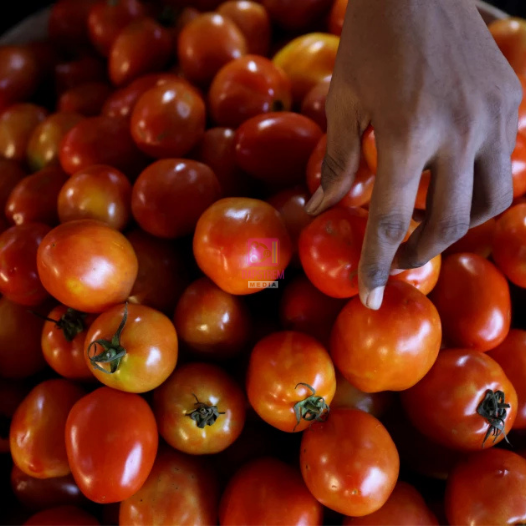
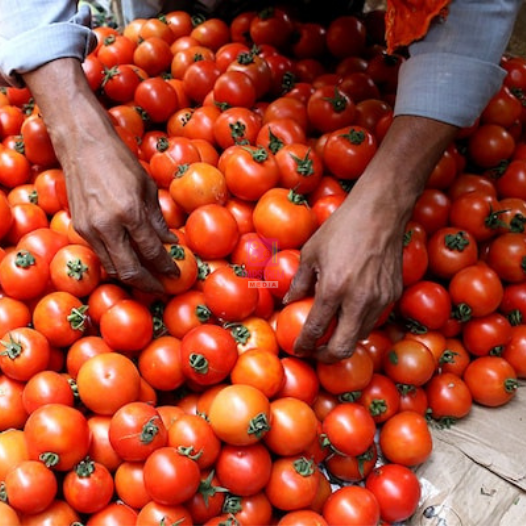
A walk through markets in Nairobi, Kisumu, Kirinyaga, Nakuru, Eldoret, or Mombasa today tells the same painful story. Buyers are no longer asking for “one kilo of tomatoes.” Instead, many are pointing at individual tomatoes and carefully selecting just two or three like precious gemstones. Vendors, too, are struggling to explain why a single tomato now costs nearly the same as a loaf of bread in some places.
The sharp rise in prices has largely been blamed on the ongoing heavy rains pounding many parts of the country. The rains, which have already caused deadly floods, destroyed roads, submerged farms, and displaced thousands of families, are now hitting Kenyan kitchens directly through food inflation.
Tomato farmers in key producing areas such as Mwea in Kirinyaga County, parts of Kajiado, Loitoktok, Narok, and sections of Rift Valley say the rains have completely disrupted farming activities. Tomatoes are highly sensitive to excessive moisture, and too much rain causes fungal infections, rotting, and fruit damage before harvesting. Many farms have recorded massive losses after crops were washed away or spoiled in flooded fields.
In Kirinyaga, one of Kenya’s major tomato baskets, traders say prices have risen to shocking levels within just a few weeks. Boxes that previously sold for as low as Ksh300 are now retailing at between Ksh5,000 and Ksh10,000 depending on quality and size.
Retail prices have become even more painful for ordinary Kenyans. In several estates and open-air markets, one tomato is now going for between Ksh20 and Ksh30, while a kilogram in some urban markets has crossed the Ksh100 mark.
The shortage is not just about the rains. Experts and traders say the crisis has been building for months. Earlier this year, farmers suffered huge losses after a tomato glut flooded markets and prices collapsed. Many farmers abandoned tomato farming altogether after making losses and lacking money to replant. Then came the heavy rains, which destroyed the few remaining crops and worsened the shortage.
Transport problems are also making matters worse. Flooded roads and damaged bridges in several regions have slowed deliveries to major towns and cities. Trucks carrying vegetables are taking longer routes, increasing fuel and transport costs that are eventually passed on to consumers.
And for many Kenyans, the timing could not be worse.
Already burdened by the high cost of fuel, electricity, rent, and basic commodities, households are now facing another painful enemy: expensive tomatoes. Many wananchi are joking online that tomatoes now deserve bodyguards and safes at home. Others say preparing a full breakfast with tomatoes has become a “special occasion meal.”
Social media has also exploded with hilarious reactions as Kenyans try to cope with the crisis. Some users are posting photos of half tomatoes carefully stored in refrigerators like treasure, while others joke that guests should no longer expect tomato slices in salads unless they are attending a wedding.
But behind the jokes lies a harsh economic reality.
Hotels, small restaurants, roadside eateries, and mama mboga businesses are all feeling the pressure. Some food vendors have reduced tomato portions in meals, while others have quietly increased food prices to survive. A plate of chips and sausage without the usual tomato garnish is now becoming common in many places.
With prices soaring, many households are now looking for alternatives. Some families are using tomato paste, sachet cooking sauces, tamarind, carrots, red capsicum, or milk to thicken stews and create color in food. Others are increasing the use of onions and royco cubes to compensate for the missing tomato flavor.
In some homes, avocado, hoho, and even plain onions are replacing tomatoes in salads. Meanwhile, clever Kenyans are sharing “survival recipes” online showing how to cook delicious meals using just one tomato for an entire family.
Traders say demand has also dropped because many customers simply cannot afford the new prices. In Kisumu, traders reported slower business as buyers cut purchases or walked away entirely after hearing the cost.
Agriculture experts warn that unless the rains reduce and supply stabilizes, the prices could remain high for several more weeks. They are also calling for more investment in greenhouse farming, improved storage systems, and better road infrastructure to cushion Kenya from recurring food shortages caused by climate shocks.
For now, however, tomatoes remain the newest symbol of Kenya’s rising cost of living crisis. What was once an ordinary kitchen ingredient has suddenly joined the list of expensive essentials squeezing household budgets.
And as Kenyans continue battling high fuel prices, rising transport fares, and expensive food, many are now discovering that even making a simple stew has become a financial decision. One thing is clear: in today’s Kenya, tomatoes are no longer just vegetables — they are practically red gold.