Why Some NTSA Number Plates Now Carry a 9-Digit Hidden Code
If you’ve recently looked closely at modern Kenyan vehicle number plates, you may have noticed something unusual—besides the familiar registration characters, some plates carry a small 9-digit hidden code that is not immediately obvious to the average eye. This has sparked curiosity among motorists, with many wondering what the code means, why it exists, and how it connects to vehicle regulation in Kenya.
The answer lies in Kenya’s ongoing transition to a more secure, digital, and traceable vehicle registration system led by the National Transport and Safety Authority. The introduction of these enhanced number plates is part of a broader effort to modernize vehicle identification, curb fraud, and improve road safety enforcement across the country.
The Shift from Old Plates to Modern Secure Plates
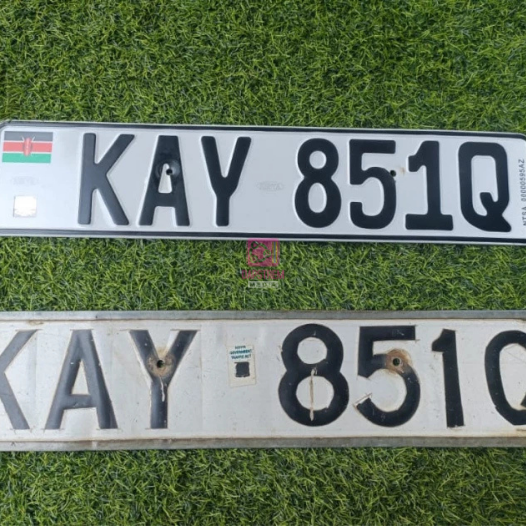
For many years, Kenya used relatively simple number plates that followed a straightforward format such as “KBA 123A” or “KCE 456B.” These plates were easy to read, widely recognized, and served their purpose in identifying vehicles on the road. However, they had one major weakness—they were vulnerable to forgery and duplication.
Before the reforms, counterfeit number plates were a growing problem. Criminal networks could easily fabricate plates that looked legitimate, making it difficult for authorities to track stolen vehicles or enforce traffic laws effectively. As vehicle numbers increased across the country, the system became even more stretched.
To address these challenges, the government introduced a new generation of secure digital number plates under the leadership of NTSA, with support from the Ministry of Transport and Infrastructure. The rollout gained momentum in the early 2020s, with phased implementation across new vehicle registrations and replacement programs for existing vehicles.
When the New Plates Were Introduced
The modern Kenyan digital number plates were officially introduced as part of a national vehicle identification upgrade program launched in the early 2020s. The initiative was designed to align Kenya with international standards of vehicle registration and improve security in transport management.
The rollout was spearheaded by NTSA in collaboration with government security agencies and licensed manufacturers. Initially, the plates were introduced for newly registered vehicles, with plans to gradually replace older plates over time.
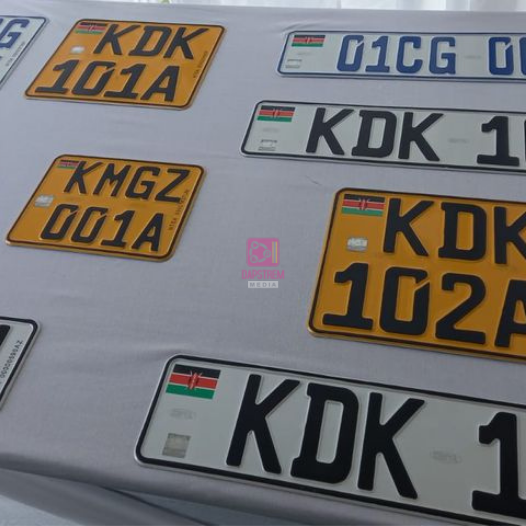
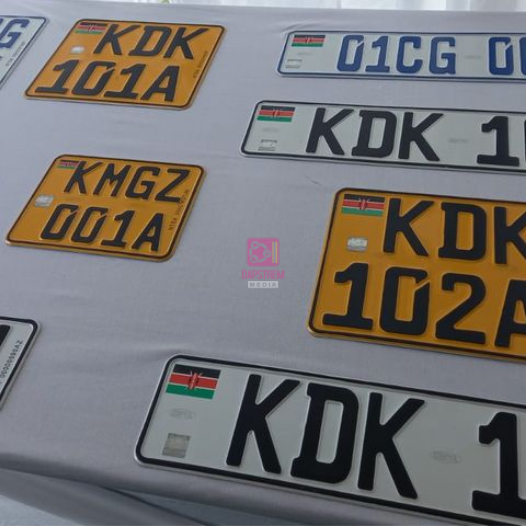
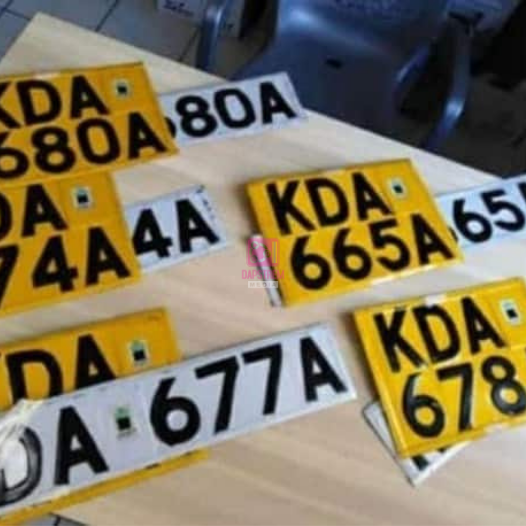
Unlike the traditional plates, the new version includes advanced security features such as holograms, barcodes, reflective material, and most notably, a unique 9-digit hidden code embedded within the plate structure.
What the 9-Digit Hidden Code Actually Means
The hidden 9-digit code is not random. It is a digital security identifier linked to a centralized database managed by NTSA. Each code corresponds to a specific vehicle record stored in the government’s system.
This means that even if someone attempts to duplicate or alter a number plate, authorities can verify the authenticity of the plate by cross-checking the embedded code with the official database.
The code is typically not meant for public interpretation. Instead, it is designed for enforcement officers, automated surveillance systems, and digital scanners used during inspections, tolling, or traffic monitoring.
In simple terms, the code acts like a digital fingerprint for each vehicle, ensuring that no two vehicles can have identical or falsified identities within the system.
Why the Hidden Code Was Introduced
The introduction of the 9-digit code was driven by several key factors:
First, it strengthens road safety enforcement. Traffic police and automated systems can quickly verify whether a vehicle is registered, insured, or flagged for violations.
Second, it helps combat vehicle theft and fraud. Stolen vehicles are easier to track when every plate is linked to a secure digital identity.
Third, it supports digital transformation in transport management, allowing Kenya to move toward smart surveillance systems such as ANPR (Automatic Number Plate Recognition) cameras.
Finally, it improves tax compliance and registration accuracy, ensuring that all vehicles on Kenyan roads are properly documented.
How Old Number Plates Looked and Why They Worked Differently
Before the introduction of the new system, Kenyan number plates were much simpler in design. They typically consisted of three letters followed by numbers and sometimes a final letter. The format was easy to read and manually track, but it lacked digital integration.
These older plates did not contain embedded security features or machine-readable codes. Enforcement relied heavily on manual checks by police officers, which made the system slower and more vulnerable to human error and manipulation.
Over time, as technology advanced and vehicle numbers increased, the limitations of the old system became more visible. This led to the need for a more secure and technology-driven approach.
How NTSA Fits Into the Bigger Transport System
The National Transport and Safety Authority plays a central role in Kenya’s transport ecosystem. Beyond issuing number plates, NTSA is responsible for:
- Vehicle registration and inspection
- Driver licensing
- Road safety enforcement coordination
- Transport data management
- Regulation of public and private transport systems
The introduction of digital number plates is part of NTSA’s broader digital transformation agenda aimed at reducing corruption, improving efficiency, and enhancing safety on Kenyan roads.
The Future of Vehicle Identification in Kenya
The introduction of the 9-digit hidden code is just one step toward a fully digitized transport system. In the future, Kenya is expected to integrate more advanced technologies such as real-time vehicle tracking, AI-powered traffic monitoring, and fully automated enforcement systems.
As smart cities develop and digital infrastructure expands, number plates may eventually become fully integrated with national databases that track vehicle movement, ownership, and compliance in real time.
The hidden 9-digit code on modern Kenyan number plates is more than just a technical feature—it represents a major shift in how the country manages vehicle identity, security, and road safety. Under the guidance of the National Transport and Safety Authority, Kenya is moving from a manual, easily manipulated system to a secure, digital, and data-driven transport framework.
While many motorists may still be adjusting to the changes, the long-term goal is clear: a safer, more transparent, and more efficient road transport system for everyone.