US tightens visa screening rules by requiring applicants to make social media accounts public, raising global concerns over privacy and digital surveillance
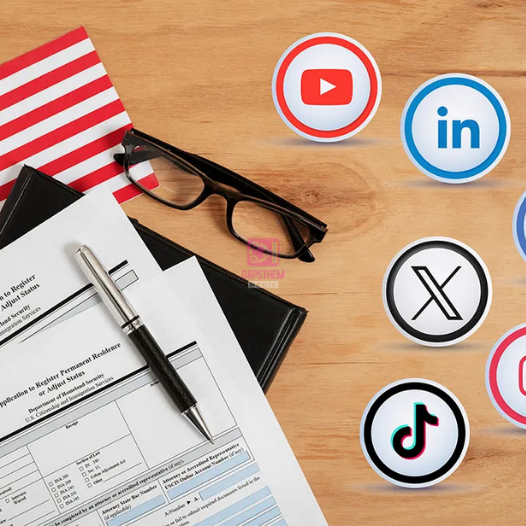
The United States has introduced a new directive requiring visa applicants to set their social media accounts to public, a move that is already sparking global debate over privacy, security, and immigration policy.
The directive, issued under the authority of the U.S. Department of State, is part of an expanded vetting process aimed at strengthening national security. Under the new guidelines, individuals applying for visas to the United States may be required to ensure that their social media profiles are accessible for review by immigration officials.
According to U.S. authorities, the policy is designed to enhance background checks and identify potential security threats before individuals are granted entry into the country. Officials argue that in an increasingly digital world, social media activity can provide critical insights into an applicant’s identity, intentions, and potential risks.
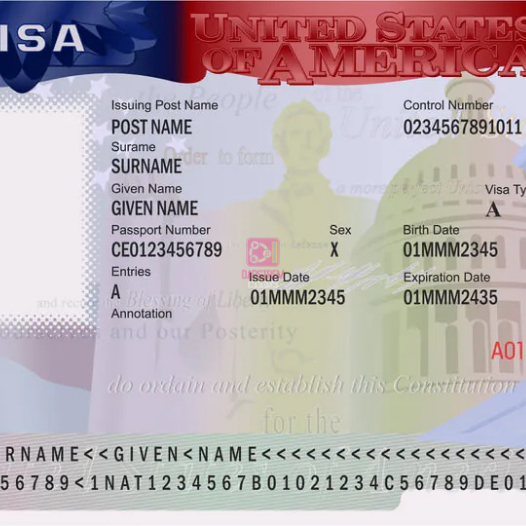
This development builds on earlier measures introduced in recent years, where visa applicants were already required to submit their social media handles as part of the application process. The new requirement goes a step further by potentially eliminating privacy restrictions that could limit what officials are able to see.
The rationale behind the move is rooted in concerns over global security, terrorism, and transnational crime. U.S. officials have long maintained that traditional background checks—such as criminal records and travel history—are no longer sufficient on their own. Social media, they argue, has become a powerful tool for identifying extremist ideologies, fraudulent identities, and suspicious networks.
By making accounts public, authorities believe they can more effectively verify information provided in visa applications and detect inconsistencies. This could include identifying undisclosed affiliations, reviewing past statements, and analyzing behavioral patterns that might raise red flags.
However, the policy has also triggered widespread criticism from privacy advocates, digital rights organizations, and immigration experts. Critics argue that forcing applicants to make their accounts public could expose them to unnecessary risks, including harassment, identity theft, and surveillance beyond the scope of immigration screening.
Many also question how the information will be interpreted, warning that social media content can easily be taken out of context. Posts made years earlier, jokes, or politically sensitive opinions could potentially be misunderstood, leading to unfair visa denials.
There are also concerns about freedom of expression. Some experts believe that knowing their social media activity may be scrutinized by foreign governments could cause individuals to self-censor, limiting open discussion and personal expression online.
The implications of this policy extend beyond individuals applying for visas. It also raises broader questions about how governments around the world balance national security with personal privacy in the digital age. As countries increasingly rely on technology for border control and surveillance, similar measures could be adopted elsewhere.
For applicants from countries like Kenya and across Africa, the policy introduces a new layer of complexity to an already rigorous visa process. Many applicants will now need to review their online presence carefully, ensuring that their profiles align with the information provided in their applications.
Immigration experts advise applicants to be transparent and consistent in their submissions. While making accounts public may feel intrusive, discrepancies between social media activity and official documentation could lead to delays or rejections.
The policy also underscores the importance of digital footprints in today’s interconnected world. What individuals share online—whether intentionally or not—can have real-world consequences, including affecting opportunities for travel, education, and employment abroad.
Despite the controversy, the U.S. government maintains that the measure is necessary to protect national interests. Officials emphasize that the goal is not to invade privacy, but to ensure that individuals entering the country do not pose a threat to public safety.
As the policy begins to take effect, its impact will likely become clearer in the coming months. It remains to be seen how strictly the rules will be enforced, how decisions will be made based on social media content, and whether legal challenges may arise.
Ultimately, the requirement for visa applicants to make their social media accounts public marks a significant shift in how immigration screening is conducted. It reflects a broader trend toward digital surveillance in global mobility systems, raising important questions about privacy, fairness, and the future of international travel.
For now, anyone planning to travel to the United States will need to be more mindful than ever of their online presence, as the line between digital identity and real-world opportunity continues to grow increasingly thin.