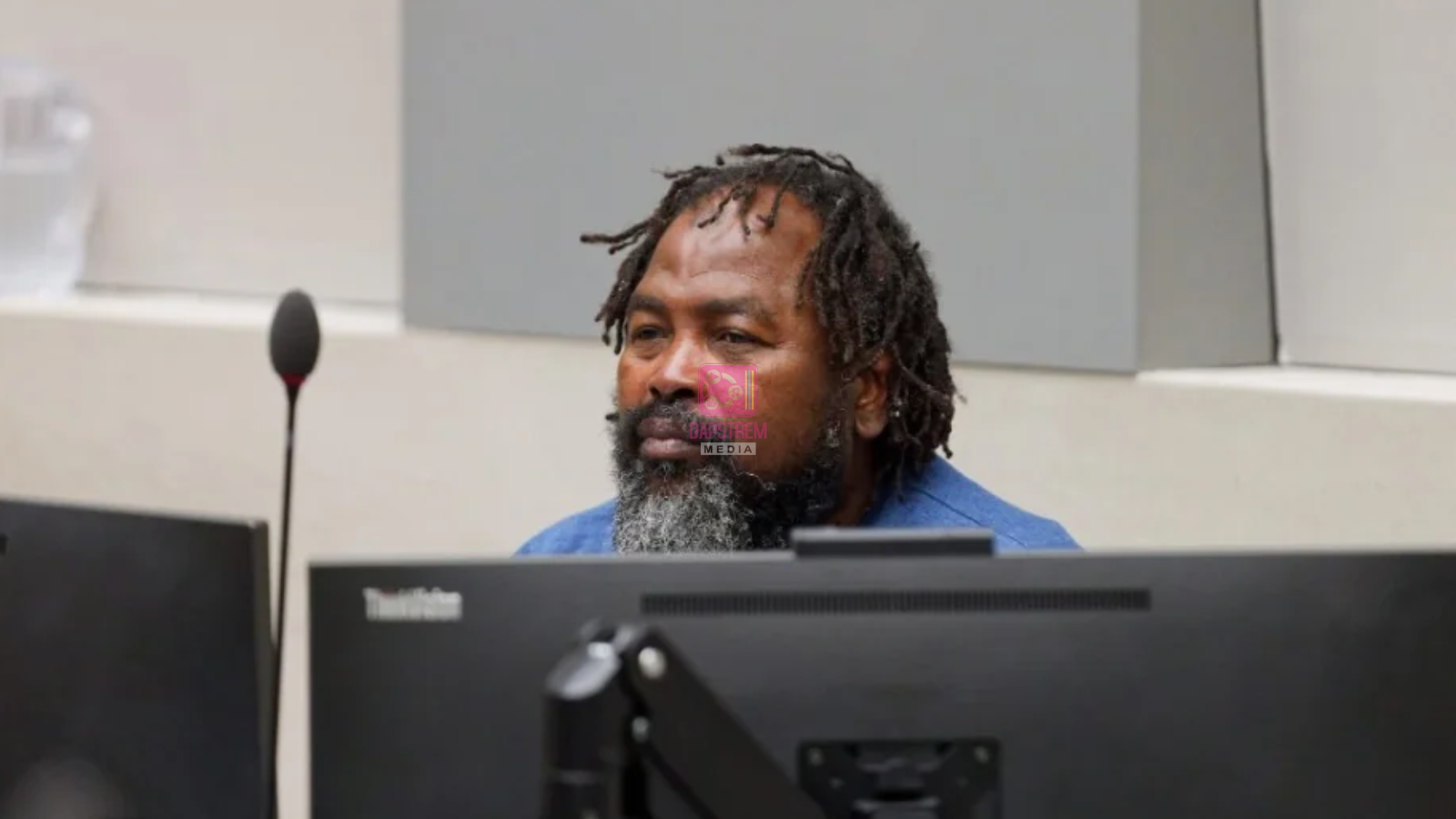
The International Criminal Court (ICC) has convicted former Central African Republic rebel commander Mahamat Said Abdel Kani of crimes against humanity over the persecution and torture of detainees during the country’s 2013 conflict.
The 56-year-old former senior member of the Seleka rebel coalition was found guilty on Wednesday, September 23, 2026, following a trial in The Hague that examined his alleged role in the detention and mistreatment of people held at the Office Central de Répression du Banditisme (OCRB), or Central Office for the Repression of Banditry, in the capital Bangui.
ICC judges found Said criminally responsible for four counts of crimes against humanity, including persecution and torture. However, the court dismissed the war-crimes charges against him after finding that the armed conflict had already ended when some of the alleged crimes took place.
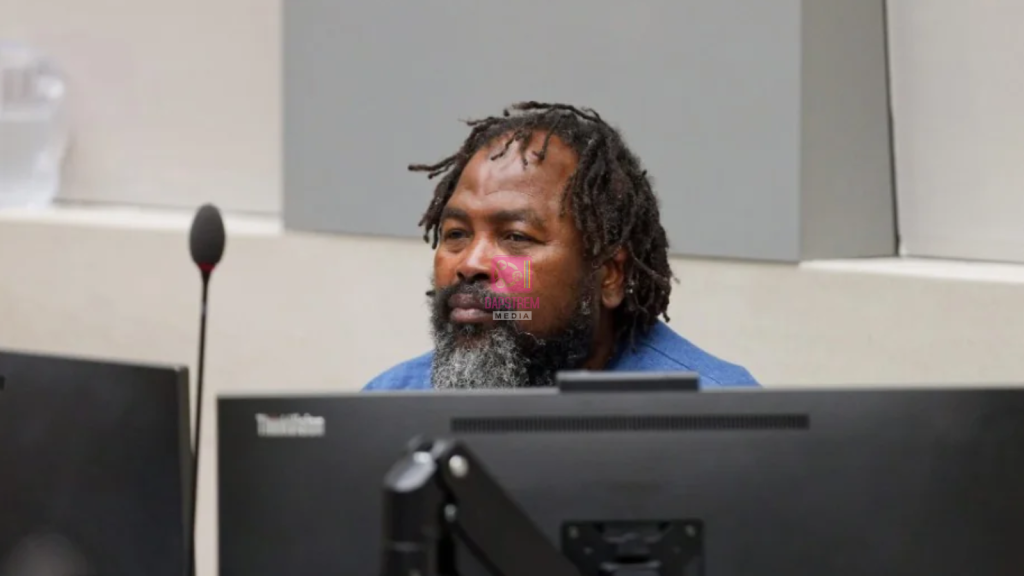
Said, who denied the allegations against him, was present in court when the verdict was delivered.
Detainees subjected to torture
Presiding Judge Miatta Maria Samba said the evidence demonstrated that detainees at the OCRB were subjected to severe mistreatment.
According to the court’s findings, prisoners were beaten, whipped and subjected to various forms of torture while being held at the facility.
Some detainees were also subjected to a form of restraint known as “Arbatacher”, in which a person’s hands, elbows and feet are tied together behind the back.
The court also heard evidence about extremely poor detention conditions, including underground cells without adequate sanitation facilities.
Judge Samba described evidence that some prisoners were held in conditions where the floor was covered with human waste and the cells had a strong smell of faeces and urine.
The prosecution case centred on the treatment of people perceived to be supporters of former Central African Republic President François Bozizé.
Said was accused of exercising authority over the detention facility as Seleka forces consolidated their control of Bangui following the overthrow of Bozizé in March 2013.
Seleka’s rise to power
The case is rooted in the political and armed conflict that engulfed the Central African Republic in 2013.
The predominantly Muslim Seleka coalition seized power in March that year, forcing Bozizé from office. The takeover was followed by widespread violence and the emergence of the predominantly Christian and animist anti-Balaka militias.
The conflict resulted in thousands of deaths and widespread displacement.
The violence also generated allegations of serious abuses by fighters on both sides of the conflict, prompting international efforts to investigate and prosecute those responsible.
The ICC has been investigating crimes committed in the Central African Republic since 2014 following a referral by the country’s authorities.
First Seleka member convicted by ICC
Said’s conviction is significant in the ICC’s Central African Republic cases because he is the first former Seleka member to be convicted by the court.
The ICC had previously secured convictions against leaders associated with the anti-Balaka forces.
Former Central African lawmaker Alfred Yekatom was sentenced to 15 years in prison, while former sports minister Patrice-Edouard Ngaissona was sentenced to 12 years after being convicted of crimes committed during the conflict.
The ICC says the Said case was prosecuted under its second investigation into the Central African Republic.
According to the court, Said was surrendered to the ICC by Central African authorities on January 24, 2021. His trial began on September 26, 2022.
Over the course of 130 hearings, judges heard testimony from 58 prosecution witnesses and three defence witnesses. Thirty-two victims were granted the right to participate in the proceedings.
ICC rejects some charges
Although Said was convicted of crimes against humanity, the judgment did not find him guilty of all charges brought by prosecutors.
The court dismissed the war-crimes allegations, concluding that the armed conflict had ended by the time some of the alleged conduct occurred.
This distinction is important because crimes against humanity and war crimes have different legal elements under the Rome Statute, the treaty that established the ICC.
The prosecution had accused Said of crimes against humanity including imprisonment or severe deprivation of liberty, torture, persecution and other inhumane acts, as well as war crimes including torture, cruel treatment and outrages upon personal dignity.
Sentence to be decided later
Wednesday’s judgment established Said’s criminal responsibility but did not determine his punishment.
The ICC will hold a separate sentencing hearing before deciding the length of any prison term.
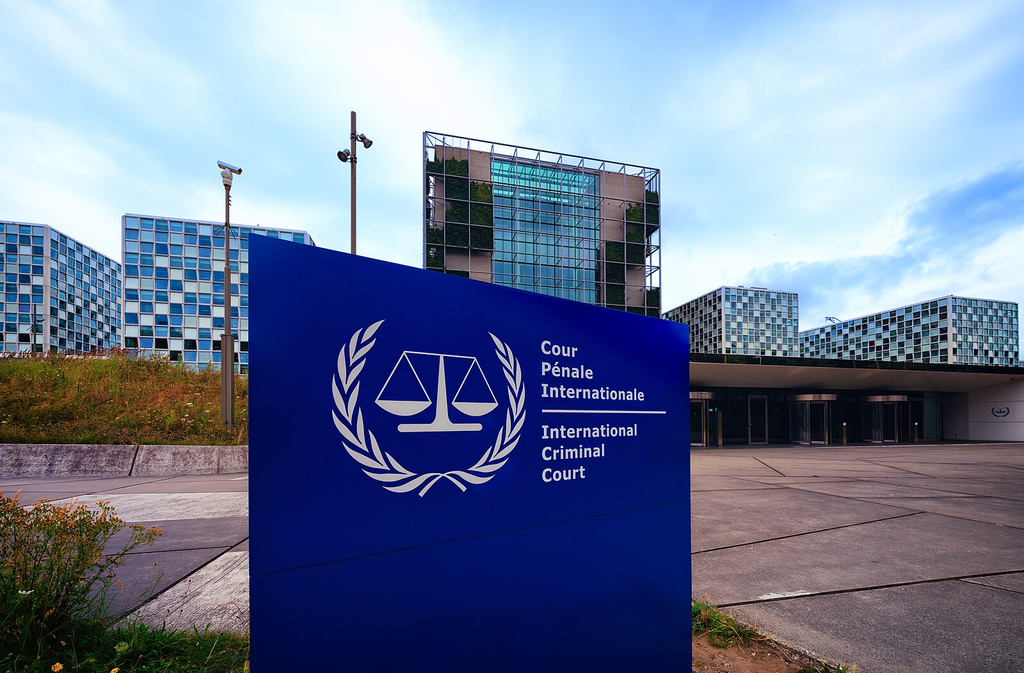
The verdict can also be challenged through an appeal before the ICC Appeals Chamber. The court had previously emphasized that the prosecution was required to prove the charges beyond reasonable doubt and that Said was presumed innocent until a final conviction.
The case therefore moves into its next phase with the focus shifting from criminal responsibility to sentencing and any potential appeal.
A landmark ruling for victims
For victims who participated in the proceedings, the judgment represents the culmination of years of investigations and courtroom proceedings into violence committed during the Central African Republic’s 2013 crisis.
The ICC’s ruling establishes Said’s individual criminal responsibility for the crimes against humanity on which he was convicted, while the dismissal of the war-crimes charges illustrates the court’s requirement to assess each charge against the specific evidence and applicable legal criteria.
The case also adds to the ICC’s broader record of prosecutions arising from the Central African Republic conflict, where violence between rival armed groups has left a lasting impact on communities across the country.
With sentencing still pending, the final legal outcome for Mahamat Said Abdel Kani remains subject to the next stages of the ICC proceedings.