
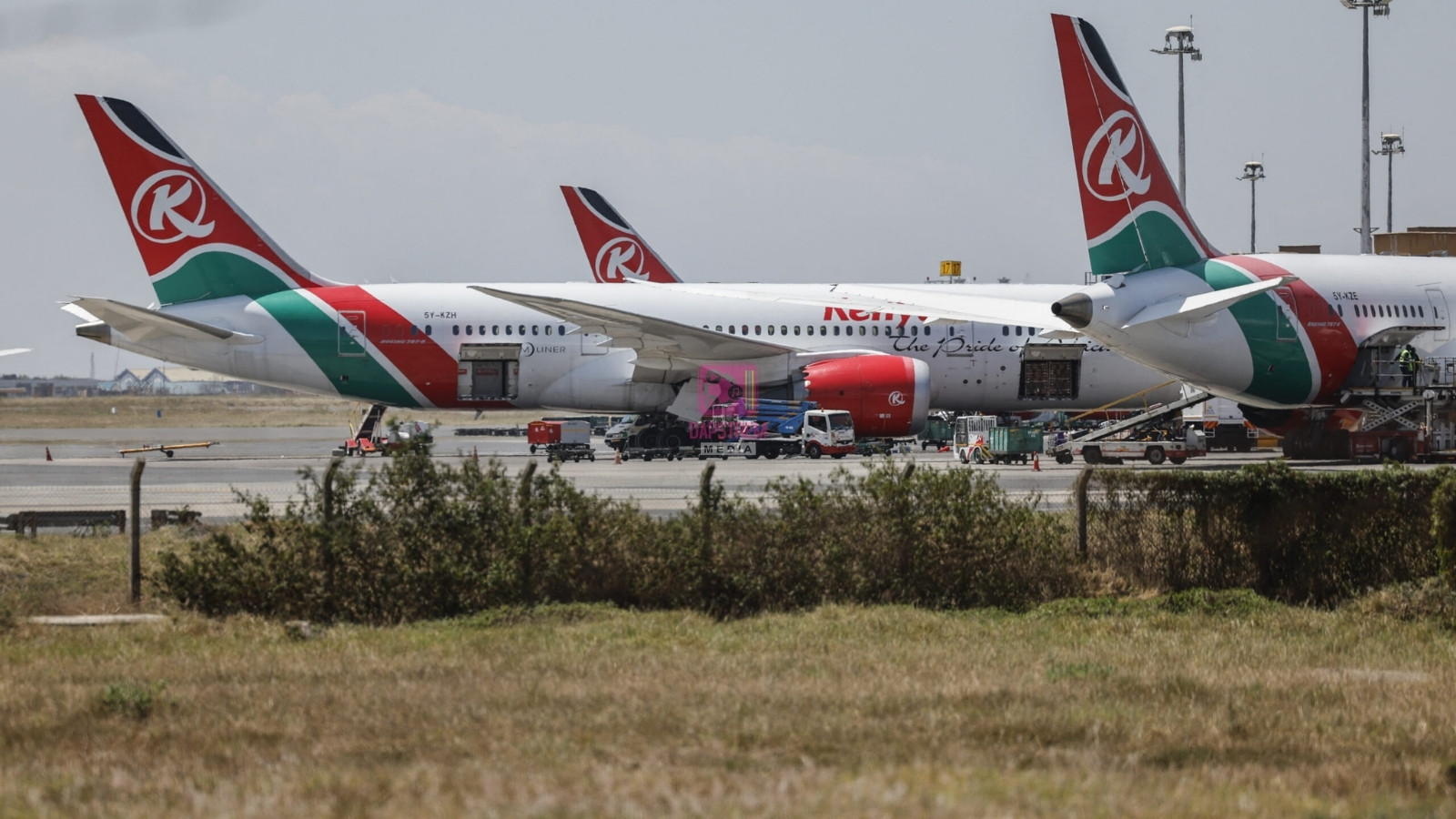
Kenya’s aviation workers have called off a two-day strike that disrupted flights at Jomo Kenyatta International Airport (JKIA) and other airports across the country, easing a crisis that left thousands of passengers facing delays, cancellations and overnight stays.
The Kenya Aviation Workers Union (KAWU) reached a return-to-work agreement with the government and aviation employers on Tuesday, September 1, directing affected employees to resume normal duties immediately.
The industrial action began on Sunday, August 30, initially as a go-slow, before escalating into widespread disruption. Air traffic controllers and other aviation workers were among those affected, with the impact spreading beyond Kenya as flights linking Nairobi with destinations across East Africa were delayed or cancelled.
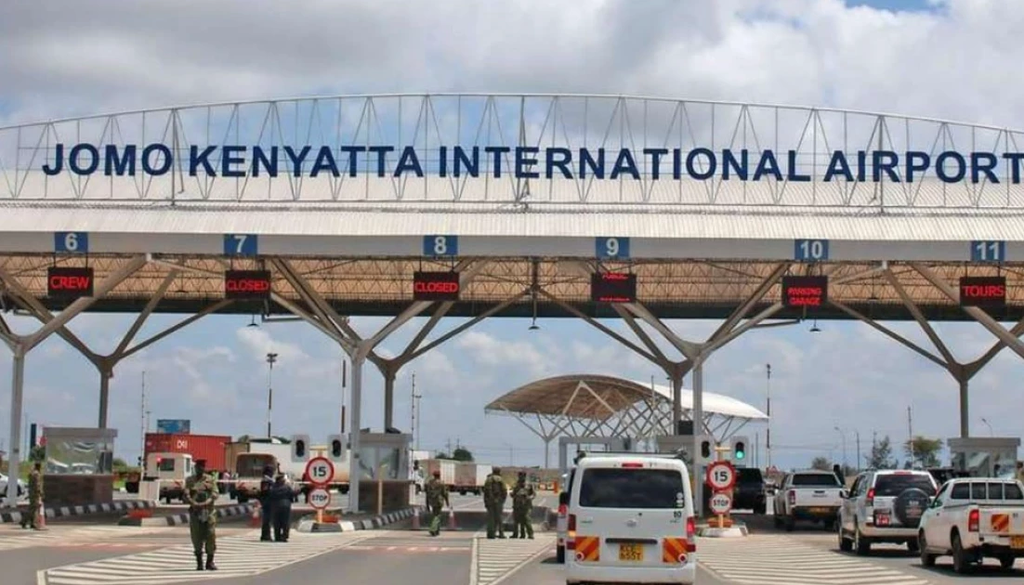
At the centre of the dispute were long-running grievances involving pay, working conditions, union representation and collective bargaining.
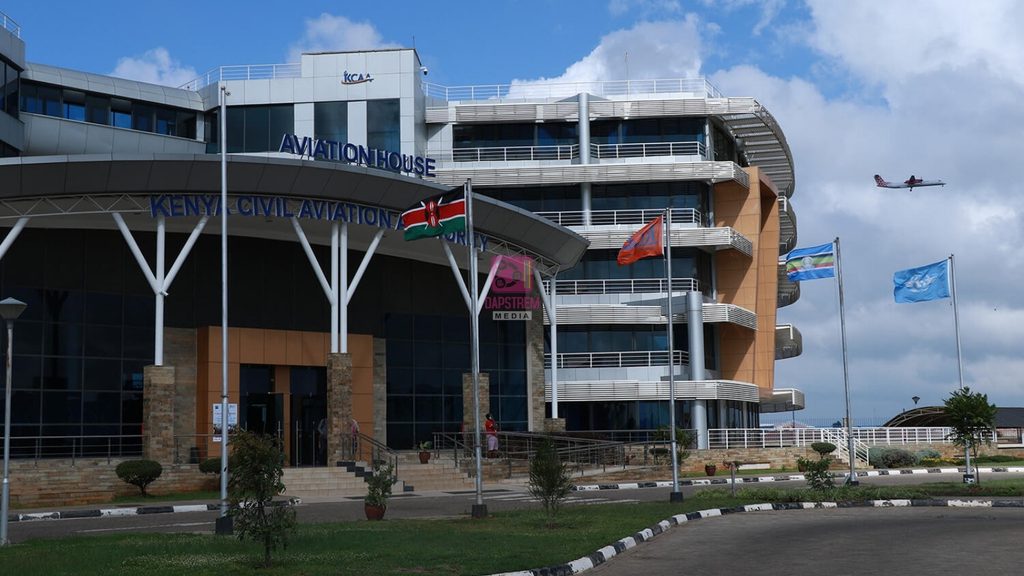
KAWU had raised concerns over a stalled Collective Bargaining Agreement (CBA) involving the Kenya Civil Aviation Authority (KCAA), delayed salary reviews and issues surrounding union dues at the Kenya Airports Authority (KAA). The union also cited concerns involving the treatment of its members at Jambojet.
The dispute had already threatened to cause major disruption in July, when the union suspended planned industrial action following negotiations with the government, KAA, KCAA, Kenya Airways and Jambojet. That agreement was intended to provide a framework for resolving the workers’ complaints.
However, the unresolved issues eventually brought the workers back to the industrial-action route.
Thousands of passengers affected
The consequences were quickly felt at Kenya’s busiest airports.
At JKIA in Nairobi, passengers faced lengthy delays, cancellations and uncertainty over when they would be able to travel. Reuters reported that the disruption affected flights across East Africa, including routes involving Rwanda, Burundi, Tanzania, Uganda, Somalia and Mauritius.
Some passengers were stranded for more than 12 hours as airlines struggled to operate normally. RwandAir, for example, cancelled two flights because of reported air-traffic-control problems in Nairobi.
The disruption also affected Kenya’s regional airports, including Moi International Airport in Mombasa, highlighting how dependent the country’s aviation network is on the workers involved in air-traffic and airport operations.
What was agreed?
The return-to-work agreement provides for negotiations rather than an immediate settlement of every outstanding dispute.
One of the key steps is the resumption of negotiations between KAWU and KCAA over a new collective bargaining agreement. The Salaries and Remuneration Commission is also expected to provide parameters to guide the negotiations after withdrawing earlier guidance issued in July.
The agreement also addresses union dues owed by KAA to KAWU, while outstanding employment issues are to be handled through further negotiations.
Transport Cabinet Secretary Davis Chirchir and KAWU Secretary General Moss Ndiema expressed optimism that the dialogue would now lead to a lasting solution.
Airlines still facing a backlog
Although the strike has ended, passengers should not expect every flight to return to normal immediately.
Kenya Airways said it had begun restoring its schedule but warned passengers to expect further delays as it clears the backlog created during the disruption. The airline said it expected normal scheduled operations to resume by Wednesday, September 2, and offered affected passengers the option of rescheduling without an additional rebooking charge.
That means the end of the strike is only the first step toward restoring normal air travel. Airlines must now reposition aircraft, reorganise crews and accommodate passengers whose journeys were cancelled or delayed.
The latest dispute highlights a deeper challenge facing Kenya’s aviation industry: maintaining reliable services while addressing persistent labour concerns.
The fact that workers returned to industrial action only weeks after a framework agreement had been reached suggests that previous negotiations failed to resolve several fundamental issues. The February 2026 strike had also disrupted operations at JKIA before the government and KAWU reached an agreement.
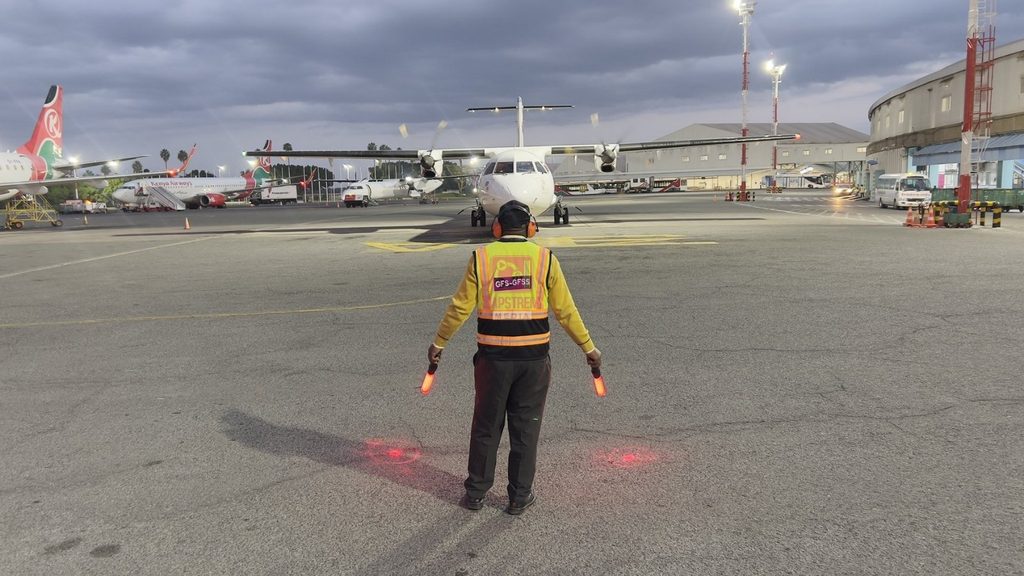
For a country that relies heavily on aviation for tourism, trade, cargo and regional connectivity, prolonged labour disputes can have consequences far beyond the airport terminal.
For passengers, however, Tuesday’s agreement brings immediate relief.
After two days of disruption, airport workers are returning to their posts, airlines are rebuilding their schedules and negotiations over pay, representation and working conditions are set to continue.