DR Congo Faces Its Deadliest-Ever Ebola Outbreak as Cases Surpass 5,200 and Death Toll Nears 2,500
The Democratic Republic of Congo (DRC) is facing its largest and deadliest Ebola outbreak on record, with more than 5,200 confirmed cases and nearly 2,500 deaths reported as the highly infectious disease continues to spread across parts of the country.
The latest figures have raised serious concern among health authorities and humanitarian organisations, with the United Nations warning that the epidemic is expanding at an alarming rate. The outbreak has now surpassed the previous record set during the 2018–2020 Ebola crisis in the DRC, making the current epidemic the country’s most severe since Ebola was first identified there in 1976.
The situation has become particularly worrying because the outbreak is being driven by the Bundibugyo strain of the Ebola virus, a relatively rare strain for which there is currently no approved vaccine or specific treatment. This has made containment considerably more difficult at a time when health systems in several affected areas are already under enormous pressure.
According to the latest reports, more than half of the approximately 2,500 deaths have occurred within a short period, highlighting how rapidly transmission has accelerated in recent weeks. UN officials have described the epidemic as growing “exponentially”, warning that the number of infections could continue climbing unless urgent measures are taken to interrupt chains of transmission.
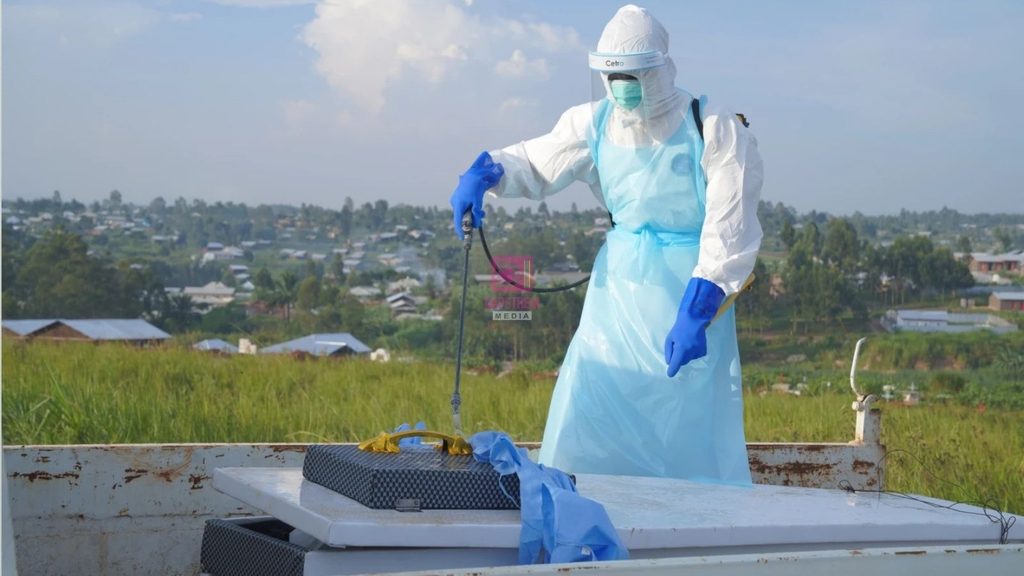
A rapidly escalating health crisis
The current Ebola outbreak was officially declared in May 2026 after cases were identified in northeastern DRC. It is the country’s 17th recorded Ebola outbreak and has since spread through several provinces, including Ituri, North Kivu and South Kivu, with additional affected areas reported as the response continues. The World Health Organization declared the outbreak a Public Health Emergency of International Concern, underscoring the need for international coordination and support.
What initially appeared to be a contained outbreak has developed into a much larger public health emergency.
The speed of transmission has been one of the most concerning features of the epidemic. Earlier in the outbreak, official figures were measured in hundreds of cases, but the numbers increased dramatically over subsequent weeks. By early July, more than 1,400 confirmed cases had already been reported, while by late July the figure had climbed beyond 3,000. By August, the outbreak had passed 5,000 confirmed infections.
The rapid increase demonstrates how quickly Ebola can spread when cases are not detected and isolated early enough.
The situation is particularly challenging because many infections are occurring among people who were not previously identified as contacts of known patients. This makes traditional contact-tracing efforts more difficult and increases the likelihood that infected people can unknowingly transmit the virus before they are identified.
Health officials have therefore been forced to work against time, attempting to locate infected individuals, identify their contacts, provide treatment and prevent further transmission while the number of cases continues to rise.
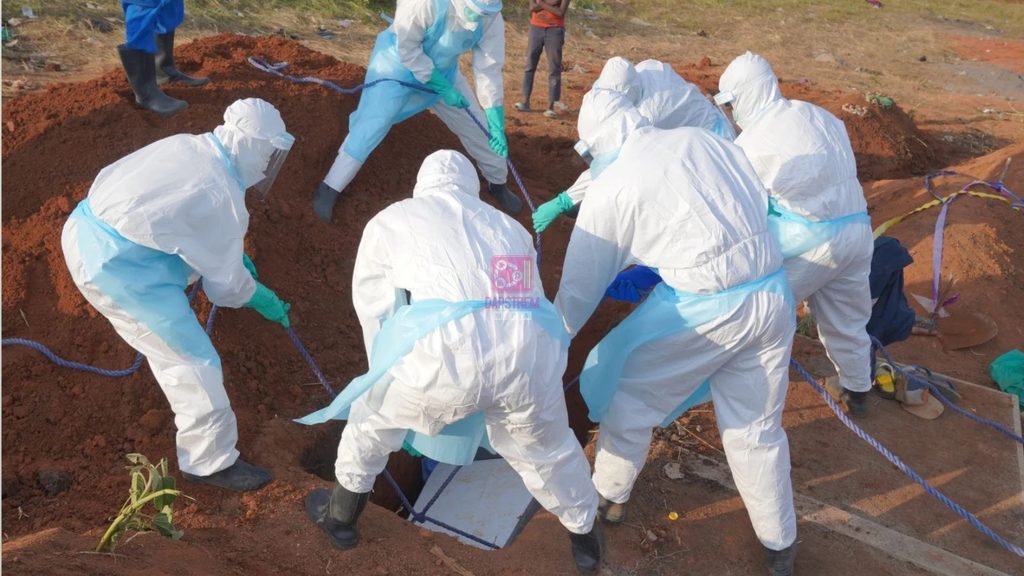
The Bundibugyo strain presents a major challenge
One of the most significant complications in the current outbreak is the virus responsible for the epidemic.
The outbreak is caused by the Bundibugyo virus, one of the viruses within the Ebola family. Unlike the Zaire strain responsible for several major Ebola outbreaks, including the devastating 2014–2016 West African epidemic, Bundibugyo is much less common.
There is currently no approved vaccine specifically targeting Bundibugyo Ebola and no approved treatment specifically licensed for the strain. That leaves health workers relying heavily on supportive care, early diagnosis, isolation, infection prevention and control, contact tracing and other public health measures.
The lack of an established vaccine has made the response significantly more complicated.
In previous outbreaks involving the Zaire strain, vaccination became an important weapon in containing transmission. The current crisis does not have that same advantage, although researchers and international health organisations are exploring whether existing Ebola vaccines could provide some degree of cross-protection.
The World Health Organization and its partners have announced plans to send thousands of doses of the Ervebo Ebola vaccine to the DRC. The vaccine is not licensed for the Bundibugyo strain, but researchers believe it may provide some protection and are using the opportunity to study its effectiveness while also protecting people at particularly high risk.
The development of vaccines specifically targeting Bundibugyo remains an urgent priority as scientists race against the outbreak.
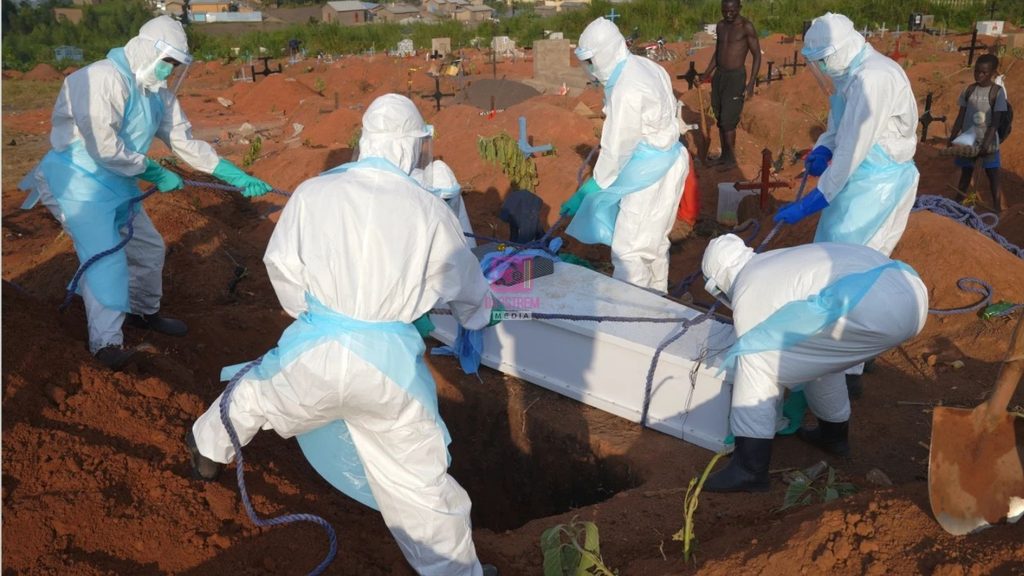
Health workers are paying a heavy price
The Ebola crisis is also placing an enormous burden on healthcare workers, many of whom are working in extremely difficult and dangerous conditions.
Dozens of health workers have already become infected, with some losing their lives to the disease. Reuters reported that about 160 healthcare workers had been infected and 43 had died as of the latest update.
The loss of healthcare workers has serious consequences beyond the individual deaths.
Every doctor, nurse, laboratory technician, ambulance worker or community health worker infected represents another blow to an already stretched healthcare system. When health workers become ill, facilities lose experienced personnel precisely when they are needed most.
Fear of infection can also discourage healthcare workers from remaining in high-risk areas, while shortages of protective equipment and other essential supplies can further increase the danger.
The crisis therefore threatens not only Ebola patients but the wider healthcare system serving millions of people in affected communities.
Hospitals and clinics must continue providing routine services while simultaneously managing Ebola cases. Pregnant women, children, people with chronic illnesses and patients requiring emergency care can all suffer when health facilities become overwhelmed by an infectious disease outbreak.
Conflict and insecurity make the response harder
The DRC’s long-running insecurity has emerged as one of the biggest obstacles to controlling the epidemic.
Several affected areas in eastern Congo have experienced years of armed conflict, displacement and humanitarian crises. These conditions make it difficult for health teams to move freely, reach remote communities, establish treatment facilities and conduct reliable contact tracing.
The outbreak is therefore unfolding in an environment where public health workers are already operating under extraordinary pressure.
The UN has reported hundreds of attacks against health workers over recent months. Such incidents have included attacks on medical teams and ambulances, while misinformation and conspiracy theories have further increased hostility towards health responders.
When communities become suspicious of health workers, patients may delay seeking care or avoid treatment centres altogether.
That delay can be deadly.
Ebola is much easier to manage when patients are identified early and isolated before they infect others. When people remain at home or continue moving between communities while experiencing symptoms, the opportunity for transmission increases.
This is why building trust between health authorities and communities is just as important as providing medical supplies.
Misinformation is becoming another enemy
The fight against Ebola is not taking place only in hospitals and laboratories.
It is also taking place within communities.
Misinformation and conspiracy theories have complicated previous Ebola responses in the DRC, and the current outbreak is experiencing similar challenges.
Some people fear Ebola treatment centres or distrust health authorities. Others may believe false information about the origin of the disease, its treatment or the motives of medical teams.
Such misinformation can have devastating consequences.
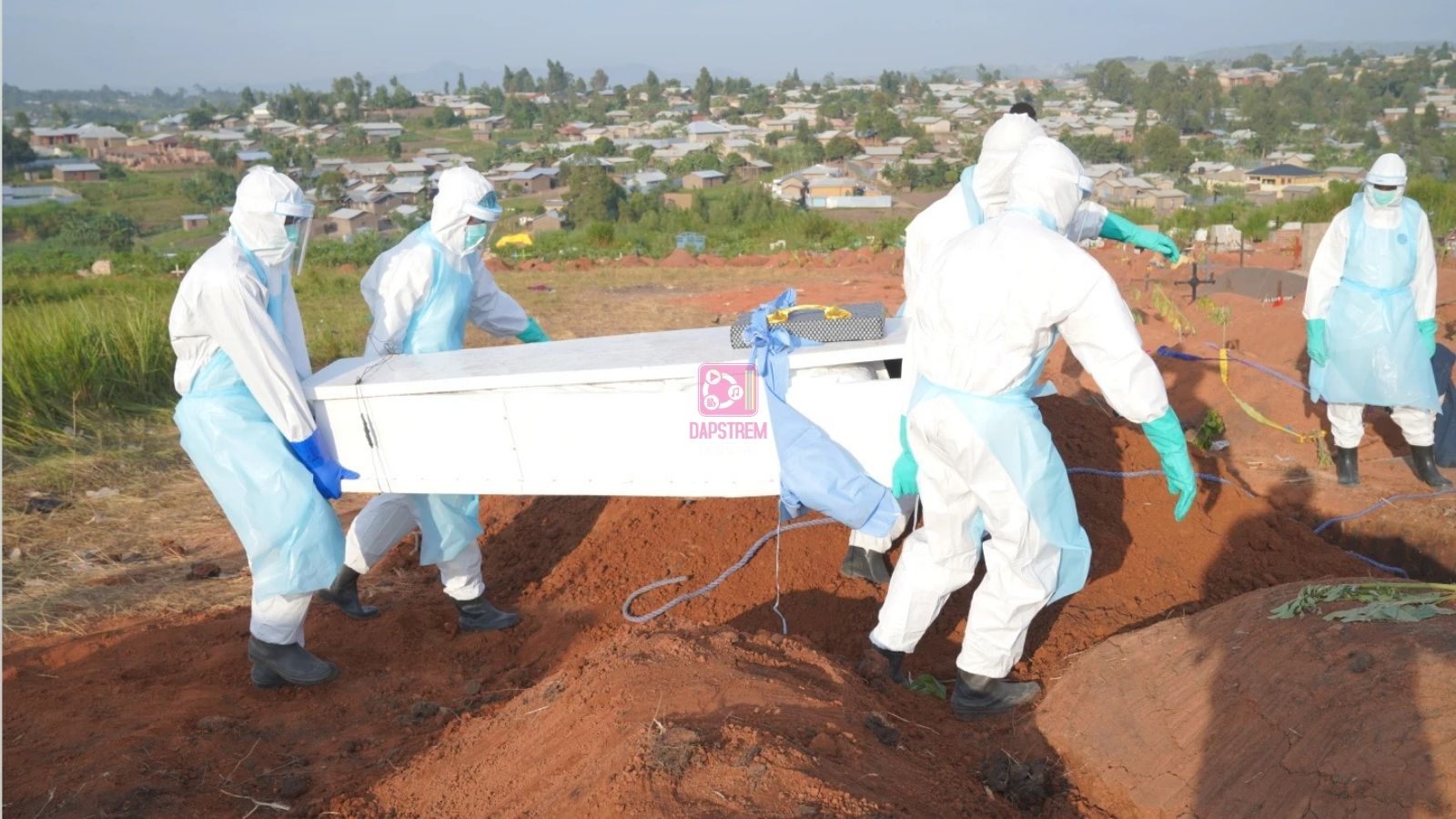
When people refuse to report symptoms, hide sick relatives or avoid treatment centres, health workers lose valuable time. When families resist safe burial practices, additional people can become exposed to the virus.
The challenge is therefore to ensure that communities understand why certain measures are necessary without creating additional fear.
Health authorities need trusted local leaders, religious figures, community organisations and survivors to help communicate accurate information.
The public needs to understand that Ebola is a real and potentially fatal disease, but it is also a disease that can be controlled when cases are detected early and appropriate infection-control measures are followed.
A crisis larger than previous DRC outbreaks
The scale of the current outbreak is particularly significant because the DRC has experienced more Ebola outbreaks than any other country.
Ebola was first identified in what is now the DRC in 1976. Since then, the country has repeatedly faced outbreaks, building considerable experience in responding to the virus.
However, the current epidemic has overwhelmed previous records.
The 2018–2020 outbreak in eastern DRC was previously the country’s largest, with roughly 3,470 confirmed and probable cases. The current outbreak has now surpassed that figure and continues to grow.
The current epidemic has also become the second-largest Ebola outbreak recorded globally, behind the 2014–2016 West African epidemic, which killed more than 11,000 people.
That comparison illustrates the seriousness of the situation.
Although the current outbreak remains geographically concentrated largely in eastern DRC, its rapid growth has raised concerns that it could become even more difficult to contain if transmission continues unchecked.
The experience of West Africa remains a warning about what can happen when Ebola spreads faster than public health systems can respond.
Uganda’s experience offers a measure of hope
The outbreak also has a regional dimension because the Bundibugyo virus has affected Uganda.
Uganda reported 20 confirmed cases and two deaths earlier in 2026, but health authorities managed to bring that outbreak under control. The country discharged its last Ebola patient in July and subsequently reported no new community transmission.
Uganda’s experience demonstrates that rapid intervention can make a difference.
It also provides valuable lessons for the DRC and other countries in the region.
Early detection, strong surveillance, contact tracing, isolation and cooperation between communities and health authorities can significantly reduce the opportunity for Ebola to spread.
However, the circumstances in eastern DRC are considerably more difficult because of conflict, population displacement, weak infrastructure and the scale of the current epidemic.
Funding shortages threaten the response
The fight against Ebola also requires enormous financial resources.
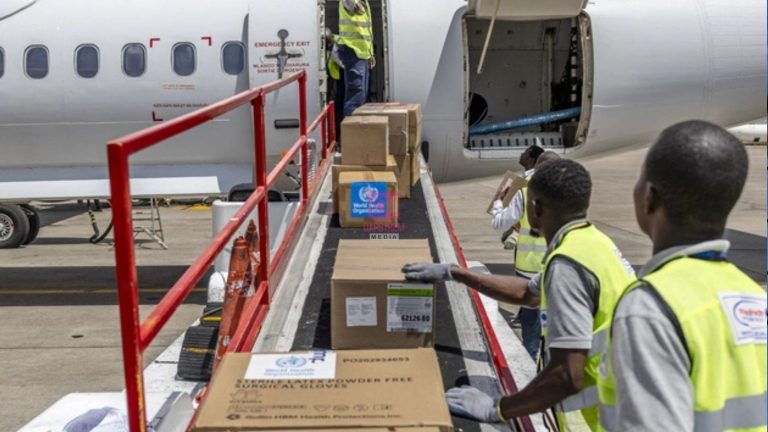
Treatment centres must be established and supplied. Healthcare workers need protective equipment. Laboratories require testing materials. Ambulances must transport patients safely. Communities need information and support, while survivors require medical and psychological assistance.
All of these activities cost money.
The international response has faced funding challenges at a time when the needs are increasing rapidly. The Guardian reported that less than half of the estimated $518 million required for the response had been disbursed, while payment disruptions have also affected frontline workers.
A shortage of funding can quickly translate into shortages of personnel, equipment and essential services.
This is particularly dangerous during an Ebola outbreak because delays can allow transmission chains to grow.
The international community therefore faces a race against time: provide sufficient resources now or risk paying a much greater price later if the outbreak becomes even more widespread.
Scientists race to find better protection
Despite the seriousness of the situation, there are efforts underway to develop new tools against the Bundibugyo virus.
Researchers are working on vaccines and potential treatments, while clinical trials are being conducted to determine whether experimental products can protect patients or reduce the severity of the disease.
Two vaccines developed by Moderna and Oxford are among the candidates being studied, while researchers are also investigating whether existing Ebola vaccines can offer cross-protection against Bundibugyo.
The arrival of 70,000 doses of the Ervebo vaccine is another development that could provide valuable information. Of those doses, 20,000 are intended for a Phase 3 clinical trial, while 50,000 are expected to be used among healthcare and frontline workers.
However, scientific breakthroughs cannot replace basic public health measures.
The immediate priority remains finding patients, isolating them, providing appropriate care, tracing contacts and preventing further transmission.
What the crisis means for Africa and the world
The scale of the outbreak has inevitably raised concerns beyond the DRC.
Ebola does not respect borders, and eastern Congo is connected to neighbouring countries through trade, travel, migration and family relationships.
That does not mean that the rest of Africa is facing an imminent Ebola catastrophe. The risk varies considerably depending on the level of surveillance, preparedness and the ability of individual countries to detect and isolate suspected cases.
But the outbreak demonstrates why strong regional health systems are essential.
Neighbouring countries need effective disease surveillance, trained healthcare workers, laboratories capable of rapidly testing suspected cases and clear systems for managing travellers who may have been exposed.
The international community must also ensure that countries dealing with Ebola are not left alone to manage a crisis of this magnitude.
The DRC has experienced repeated Ebola outbreaks, but the fact that this epidemic has become the country’s largest ever demonstrates that experience alone is not enough.
Health systems need sustained investment even when there is no outbreak.
A race against time
The most worrying aspect of the current Ebola crisis is the speed at which it is developing.
UN officials have warned that the epidemic is expanding exponentially, while health experts have raised concerns that the current response is struggling to keep pace with transmission.
Every day that an infected person remains undiagnosed creates another opportunity for the virus to spread.
Every missed contact can become another transmission chain.
Every attack on a healthcare worker can prevent medical teams from reaching people who need help.
And every day without adequate funding can weaken the response further.
The stakes are therefore extremely high.
The DRC and its international partners must move quickly to strengthen surveillance, expand testing, protect health workers, engage communities and ensure that people receive treatment as early as possible.
The response must also address the humanitarian conditions that allow the virus to spread, including conflict, displacement, poverty and limited access to healthcare.
The human cost behind the statistics
Behind the more than 5,200 confirmed cases and nearly 2,500 deaths are thousands of individual stories.
Each death represents a family that has lost a parent, child, sibling or loved one.
Each confirmed case represents a person facing fear and uncertainty, often while separated from family members because of isolation requirements.
Healthcare workers are risking their lives to care for patients, while survivors are being left to rebuild their lives after a disease that can have lasting physical and emotional consequences.
These human stories can easily become lost when the outbreak is reduced to statistics.
But they are the reason the international response matters.
The goal is not simply to prevent a number from increasing. It is to prevent families from receiving another devastating phone call, to keep healthcare workers alive and to ensure communities do not have to live under the shadow of a disease that has already taken thousands of lives.
The road ahead
The DRC’s latest Ebola outbreak has become a defining public health emergency of 2026.
With more than 5,200 confirmed cases and nearly 2,500 deaths, it has already surpassed the country’s previous Ebola records and is spreading at a pace that has alarmed health authorities and humanitarian organisations.
Yet the situation is not hopeless.
Ebola can be contained. Previous outbreaks have demonstrated that strong surveillance, early diagnosis, isolation, effective infection prevention, community cooperation and adequate resources can break chains of transmission.
What is required now is speed, coordination and sustained commitment.
The DRC needs international partners to provide funding and technical support, while local communities need to be treated as partners rather than simply recipients of public health instructions.
Health workers need protection, patients need timely care and families need accurate information.
The international community must also recognise that preventing a much larger catastrophe is far cheaper — both financially and in human terms — than responding after the virus has spread beyond the capacity of existing systems.
For now, the DRC remains at the centre of an escalating Ebola emergency.
The numbers are already devastating, but the final impact of the outbreak will depend on what happens in the coming weeks.
If authorities and their partners can accelerate detection, strengthen community engagement, protect healthcare workers and deliver sufficient resources, there remains an opportunity to bring the epidemic under control.
But if the response continues to fall behind the virus, the country could face an even longer and more devastating public health crisis.
For millions of people in eastern Congo, the battle is no longer simply about containing an outbreak. It is about protecting families, preserving an already fragile healthcare system and preventing an even greater loss of life.