Zimbabwe moves to extend presidential terms to seven years and scrap direct elections in major constitutional overhaul
Zimbabwe has entered a new chapter in its political history following the passage of a controversial constitutional amendment bill by the country’s lower house of Parliament. The proposed changes, which would extend presidential terms from five years to seven years and eliminate direct presidential elections, have sparked intense debate both within Zimbabwe and across the African continent.
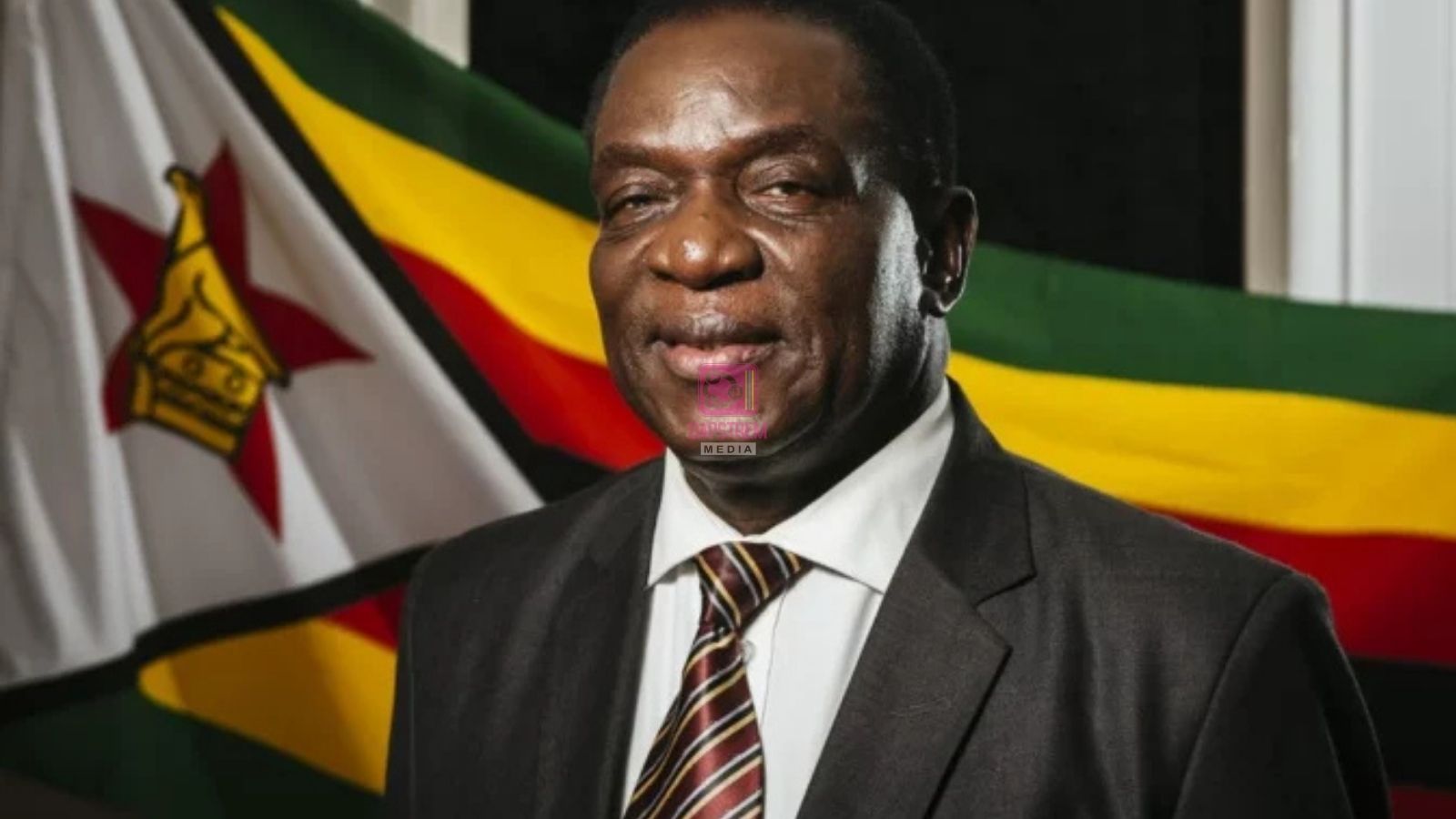
The bill, if fully enacted, could significantly reshape the country’s democratic framework and potentially allow President Emmerson Mnangagwa to remain in power until 2030. Supporters argue that the reforms are necessary to promote political stability and long-term development planning, while critics view them as a threat to democratic governance and electoral accountability.
The development comes at a time when Zimbabwe continues to grapple with economic challenges, political tensions, and demands for governance reforms. As a result, the proposed constitutional changes have attracted widespread attention from citizens, opposition parties, civil society organizations, and international observers.
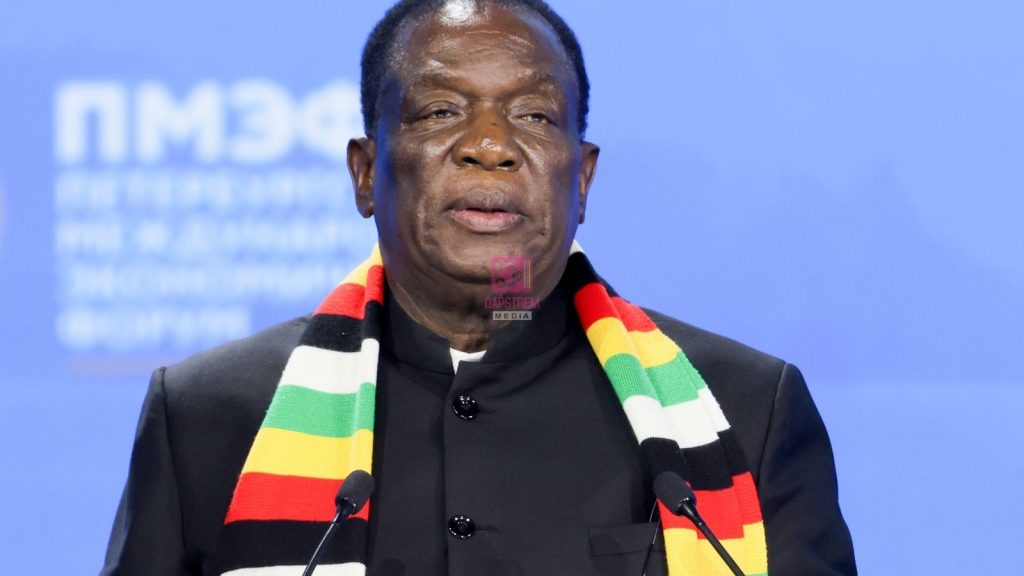
At the center of the debate is the proposal to increase presidential terms from five years to seven years. Advocates of the amendment argue that longer terms would provide governments with sufficient time to implement major development projects and national programs without being interrupted by frequent election cycles.
According to supporters, many government initiatives require years of planning, financing, and implementation. They contend that a seven-year term would allow presidents to focus more on governance and less on preparing for elections. The argument is that political stability can create a better environment for investment, infrastructure development, and economic growth.
However, opponents strongly disagree. They argue that extending presidential terms weakens democratic checks and balances by reducing the frequency with which leaders must seek approval from voters. Critics fear that longer terms may concentrate power in the hands of a few individuals while limiting citizens’ ability to hold leaders accountable through regular elections.
Perhaps the most controversial aspect of the bill is the decision to abolish direct presidential elections. Under the proposed system, future presidents would no longer be elected by citizens through a nationwide vote. Instead, Parliament would be responsible for selecting the country’s leader.
For many observers, this represents a fundamental shift in Zimbabwe’s political system. Direct elections have long been considered a cornerstone of democratic governance, providing citizens with the opportunity to choose their leaders through the ballot box.
Supporters of the parliamentary model argue that it can reduce the costs associated with nationwide elections and minimize political tensions that often accompany presidential campaigns. They point to several countries where parliamentary systems operate successfully and maintain political stability.
Yet critics warn that removing direct elections risks distancing citizens from the political process. They argue that voters may feel disenfranchised if they are no longer able to directly choose the individual who leads the nation. Concerns have also been raised about whether parliamentary elections alone can adequately reflect the will of the broader population.
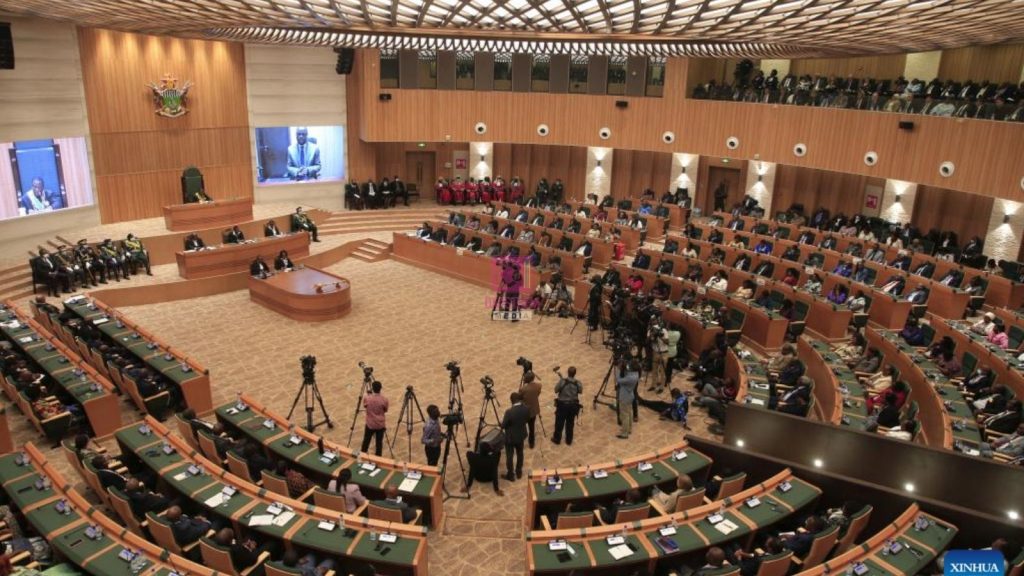
The proposed reforms have inevitably focused attention on President Emmerson Mnangagwa, who assumed office in 2017 following the resignation of longtime leader Robert Mugabe. Since taking power, Mnangagwa has promised economic recovery, democratic reforms, and greater international engagement.
Supporters of the president view the constitutional amendments as a mechanism that could provide continuity in leadership during a critical period for Zimbabwe’s development. They argue that extending terms could help ensure the completion of ongoing projects and reforms aimed at improving the economy and public services.
However, opposition figures and governance advocates see the changes differently. They argue that the reforms appear designed to prolong the current administration’s hold on power and reduce electoral competition. For critics, the timing of the bill raises questions about whether the proposed changes are motivated by national interests or political considerations.
The debate surrounding the bill has reignited broader discussions about constitutional governance in Africa. Across the continent, attempts to amend constitutions to extend presidential terms have often generated controversy. In several countries, such efforts have led to political protests, legal challenges, and concerns about democratic backsliding.
Political analysts note that constitutions serve as the foundation of democratic systems and are intended to provide safeguards against excessive concentration of power. Any changes affecting presidential tenure and electoral processes therefore tend to attract heightened scrutiny from both domestic and international stakeholders.
Within Zimbabwe, reactions have been mixed. Some citizens welcome the possibility of a more stable political environment, believing that frequent elections can contribute to uncertainty and economic disruption. Others fear that reducing direct public participation in presidential elections could weaken democratic institutions and limit political accountability.
Civil society groups have called for broad national consultations before any constitutional changes are finalized. They argue that reforms affecting the presidency should involve extensive public engagement, ensuring that citizens have a meaningful voice in decisions that shape the future of the country.
The bill’s passage in the lower house represents a significant milestone, but it is not necessarily the final step in the legislative process. Depending on constitutional requirements, additional approvals may be necessary before the proposed amendments become law. Legal experts and political observers are closely monitoring the next stages of the process.
The international community is also likely to watch developments closely. Zimbabwe has spent years working to improve relations with foreign governments, investors, and international institutions. Political reforms that alter electoral processes and presidential tenure could influence how the country is perceived on the global stage.
As the debate continues, the proposed constitutional changes have become one of the most significant political issues facing Zimbabwe in recent years. The outcome will not only determine how future presidents are selected but could also shape the country’s democratic trajectory for decades to come.
Whether viewed as a necessary reform for stability or a controversial move that concentrates political power, the bill has already ignited a national conversation about governance, accountability, and the future of democracy in Zimbabwe. The decisions made in the coming months are likely to have lasting consequences for the country’s political landscape and for generations of Zimbabweans to come.