Kenya Shisha Ban Proposal Opens New Public Debate
The proposal, announced by Health Cabinet Secretary Aden Duale, aims to prohibit the importation, manufacture, sale, distribution, promotion and use of shisha and related products across the country.
The move has already generated mixed reactions among Kenyans, public health experts, business owners and regular shisha users.
For some, it is a necessary step to protect public health.
For others, it raises questions about personal freedom and the future of businesses that depend on shisha-related sales.

Kenya Shisha Ban Proposal Targets Emerging Tobacco Products
According to the Ministry of Health, the proposed regulations are intended to strengthen existing tobacco control measures.
The draft rules, known as the Public Health (Prohibition of Shisha Smoking and Waterpipe Tobacco Products) Rules, 2026, seek to address emerging products that are not fully covered under current regulations.
These include:

- Flavoured shisha products
- Herbal waterpipe products
- Modern waterpipe tobacco alternatives
- Imported tobacco mixtures
The ministry argues that these products have become increasingly popular, especially among young people.
Health officials say stronger regulations are necessary to prevent growing health risks.
Kenya Shisha Ban Proposal Cites Serious Health Concerns
One of the main reasons behind the Kenya Shisha Ban Proposal is public health.
Medical experts have repeatedly warned that shisha smoking is not a safer alternative to cigarettes as many people believe.
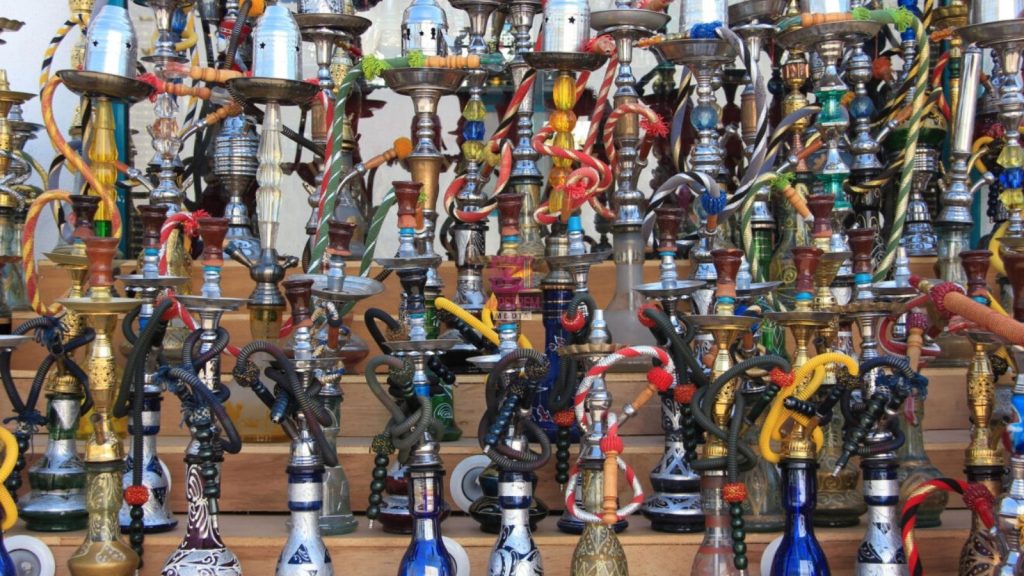
The Ministry of Health says shisha use can contribute to respiratory diseases, cardiovascular complications and long-term tobacco addiction.
The ministry also highlighted concerns about infectious diseases.
In many social settings, users share hoses and mouthpieces while smoking. Health experts warn that this practice may increase the risk of spreading infections such as tuberculosis and other communicable diseases.
These concerns have become a major factor behind the government’s push for stricter regulation.
Kenya Shisha Ban Proposal Could Affect Lifestyle Businesses
The proposed ban could have a significant impact on nightlife and entertainment businesses.
Many restaurants, lounges, clubs and social venues currently offer shisha as part of their services.
If the regulations are approved, these businesses may be forced to change their business models and seek alternative revenue streams.
Supporters of the ban argue that public health should come before profits.
However, business owners are expected to raise concerns about potential financial losses and job impacts.
The coming weeks are likely to see intense discussions between regulators and industry stakeholders.
Kenya Shisha Ban Proposal Invites Public Participation
An important aspect of the Kenya Shisha Ban Proposal is public participation.
The Ministry of Health has invited members of the public, organisations and stakeholders to submit their views before any final decision is made.
Written memoranda can be submitted to the Ministry of Health at Afya House in Nairobi or through official email channels.

The deadline for submissions has been set for June 30, 2026.
In addition, public hearings are scheduled to take place in various counties between June 18 and June 30.
This process allows Kenyans to contribute directly to the policymaking discussion.
Kenya Shisha Ban Proposal Reflects Global Tobacco Trends
Kenya is not the first country to consider stricter measures against shisha.
Around the world, governments are increasing regulations on tobacco products due to growing health concerns.
Many countries have introduced restrictions on advertising, packaging and public consumption.
The Kenyan government says the proposed regulations align with broader public health efforts aimed at reducing tobacco-related illnesses.
As awareness grows, policymakers are paying closer attention to alternative tobacco products that have gained popularity among younger populations.

Kenya Shisha Ban Proposal Raises Questions About the Future
The future of the proposal remains uncertain.
Public consultations could lead to amendments, additional recommendations or further debate before the regulations are implemented.

What is clear is that the issue has sparked a national conversation about health, lifestyle choices and government regulation.
Supporters see the proposal as a bold public health intervention.
Critics view it as a potential limitation on personal choice.
The final outcome will likely depend on the feedback received during the public participation process.
The Kenya Shisha Ban Proposal is more than a tobacco policy discussion. It reflects a broader debate about public health, personal responsibility and the role of government in protecting citizens from preventable health risks.
As public hearings begin and stakeholders submit their views, the conversation is expected to intensify. Whether one supports or opposes the proposed ban, the issue has already succeeded in drawing national attention to the health risks associated with shisha use.
The coming weeks will be crucial. Kenyans now have an opportunity to make their voices heard before a decision is reached. Whatever the final outcome, the discussion surrounding the Kenya Shisha Ban Proposal is likely to shape future conversations about public health and lifestyle choices in the country.