Ramaphosa Vows Crackdown on Xenophobic Violence as South Africa Faces Renewed Anti-Immigrant Unrest
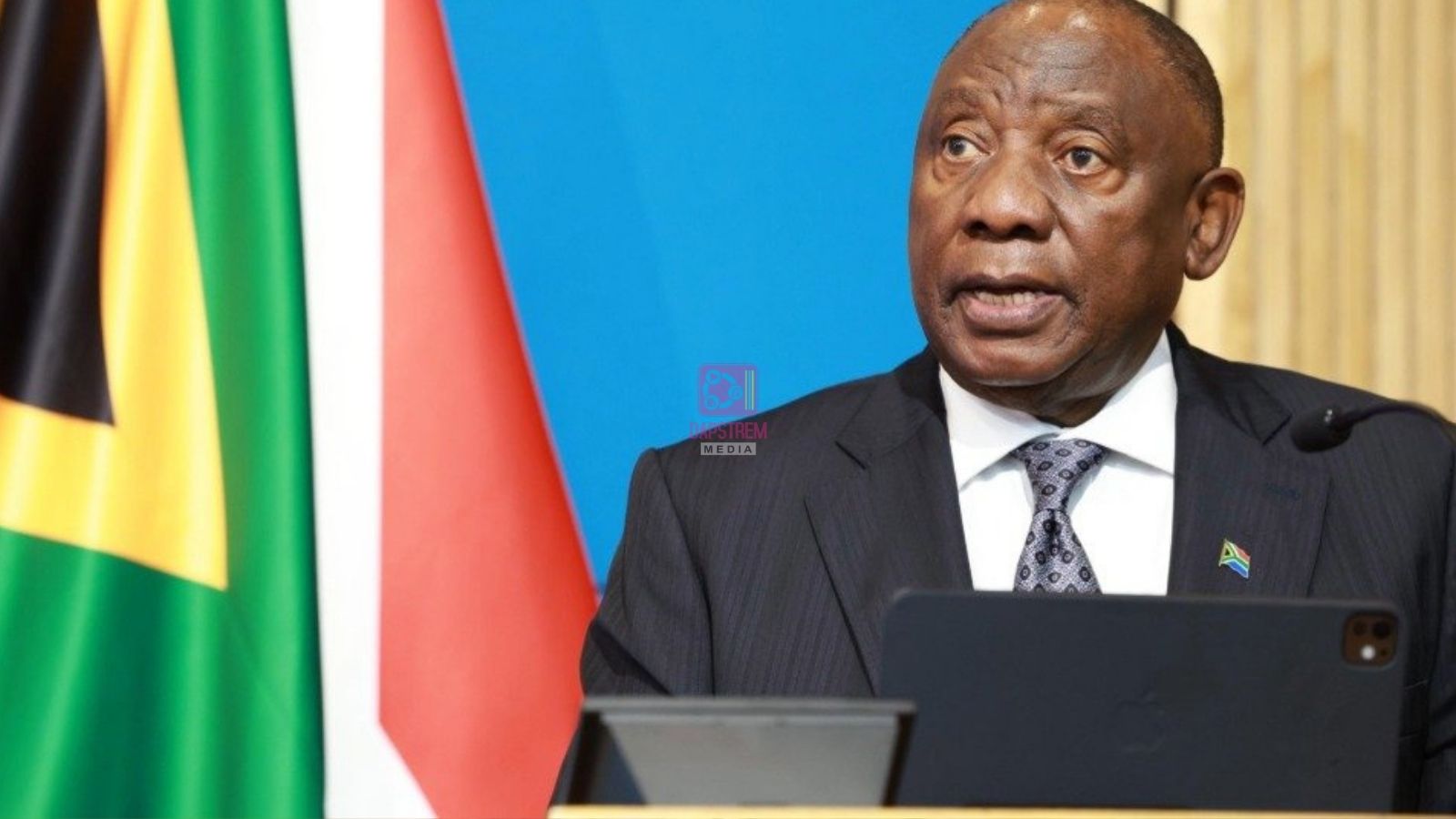
South African President Cyril Ramaphosa has vowed a firm crackdown on groups believed to be behind a recent wave of xenophobic violence, as renewed anti-immigrant protests and attacks continue to raise alarm both within the country and across the continent. The developments have once again placed South Africa under international scrutiny, with several African nations initiating efforts to repatriate their citizens caught up in the unrest.
The President’s remarks come amid escalating tensions in parts of the country where foreign nationals have reportedly been targeted in violent incidents linked to protests and broader frustrations over unemployment, poverty, and competition for resources. While authorities have not attributed the violence to any single organized movement, concerns have grown over the presence of groups accused of inciting hostility against immigrants.
Ramaphosa emphasized that the government would not tolerate violence or intimidation directed at foreign nationals, warning that law enforcement agencies have been instructed to take decisive action against those responsible. His statement reflects long-standing efforts by the South African government to balance freedom of expression with the need to protect human rights and maintain public order in a country that continues to grapple with deep socio-economic inequalities.
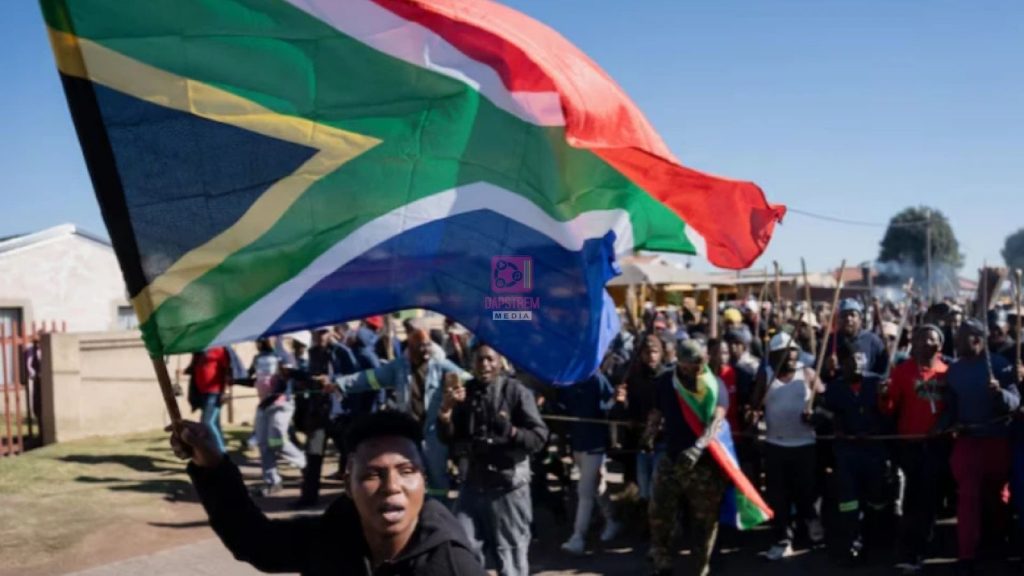
The recent unrest has affected several communities, with reports indicating that protests in some areas have turned violent, leading to attacks on shops owned by foreign nationals and displacement of affected families. Immigrants from countries including Ghana, Nigeria, Malawi, and Mozambique have been among those impacted, prompting their governments to intervene and coordinate repatriation efforts for citizens seeking to return home.
Mozambique has reported that at least five of its nationals were killed during the violence, a development that has intensified diplomatic concern and added urgency to calls for stronger protection measures. Other countries have also expressed concern over the safety of their citizens living in South Africa, with embassies working closely with local authorities to monitor the situation and provide assistance where necessary.
The current wave of unrest is not an isolated phenomenon. South Africa has experienced periodic outbreaks of xenophobic violence over the past two decades, often linked to socio-economic pressures such as high unemployment, inequality, and limited access to housing and services. Foreign nationals, particularly those engaged in informal trade or small businesses, have frequently been accused by some local groups of competing for scarce opportunities, leading to tensions that occasionally erupt into violence.
However, human rights organizations have consistently warned against scapegoating immigrants, arguing that the root causes of South Africa’s economic challenges lie in structural issues rather than the presence of foreign workers. They emphasize that migrants contribute significantly to local economies through entrepreneurship, labour, and tax contributions, and that violence against them undermines social cohesion and economic stability.
President Ramaphosa’s pledge to crack down on perpetrators reflects the government’s attempt to address both the immediate security concerns and the broader reputational damage caused by such incidents. South Africa, as one of Africa’s largest and most influential economies, has often faced criticism when xenophobic attacks resurface, with observers warning that the violence risks undermining its leadership role on the continent.
Law enforcement agencies have reportedly been deployed to affected areas to restore calm and prevent further escalation. Authorities have also urged community leaders, civil society organizations, and traditional structures to play a role in promoting peace and discouraging vigilante actions. The government has stressed that any grievances related to unemployment or service delivery should be addressed through lawful and peaceful channels rather than violence.
The repatriation efforts by several African countries highlight the regional impact of the crisis. Ghana, Nigeria, Malawi, and Mozambique have all taken steps to assist citizens who wish to return home or who have been displaced by the unrest. These coordinated responses reflect growing concern across the continent about the safety of African migrants in South Africa and the need for stronger diplomatic engagement to prevent further escalation.
At the same time, the situation has reignited debate about migration policy, integration, and economic inequality within South Africa. Analysts note that while xenophobic violence often flares during periods of economic hardship, it is also fueled by misinformation, political rhetoric, and localised tensions that can quickly spiral into broader unrest.
Community leaders and advocacy groups have called for renewed efforts to address the root causes of the problem, including job creation, education, and improved service delivery. They argue that long-term solutions must focus on reducing inequality and promoting social cohesion rather than relying solely on security measures.
As South Africa confronts this latest wave of unrest, attention is turning to whether government interventions will be sufficient to prevent further violence and restore confidence among affected communities. The coming weeks are expected to be critical in determining whether the situation stabilizes or whether deeper structural challenges continue to fuel periodic outbreaks of xenophobic attacks.
President Ramaphosa’s commitment to a crackdown signals a firm stance against violence and a renewed effort to protect foreign nationals living in South Africa. However, the broader challenge of addressing the underlying causes of xenophobia remains a complex and ongoing issue that will require sustained political will, economic reform, and regional cooperation.