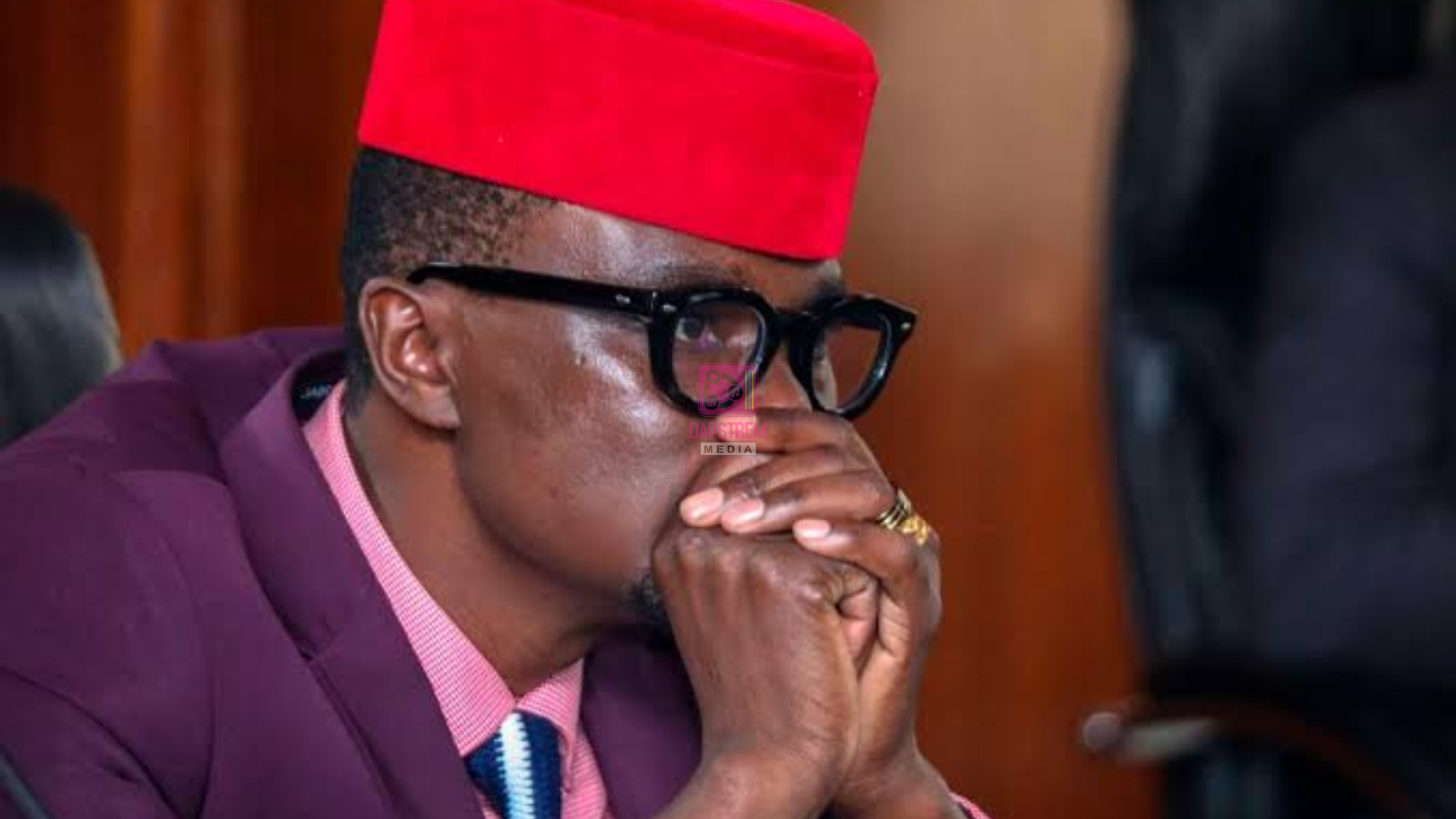
The National Cohesion and Integration Commission (NCIC) has summoned Kimilili Member of Parliament Didmus Wekesa Barasa over remarks he allegedly made about ethnic considerations in government appointments and recruitment, opening a fresh inquiry into the boundaries between regional advocacy, ethnic representation and discrimination in Kenya’s public service.
The commission wants Barasa to appear before it on Tuesday, September 29, 2026, at 10 a.m. at its offices at Britam Tower, Upper Hill, Nairobi. The summons was issued on September 22 and concerns statements allegedly made by the MP in Sirisia Constituency, Bungoma County, on September 19.
What Barasa allegedly said
According to the NCIC summons, Barasa spoke about leaders from the former Western Province who currently occupy senior positions in government, including Cabinet secretaries, principal secretaries, ambassadors and chairpersons of State corporations.
The commission says Barasa argued that leaders from the region appointed to such positions should use their influence to advance the interests of people from the region.
He then reportedly illustrated his argument using a hypothetical recruitment interview involving candidates from different parts of Kenya.
The example, as reported from the summons, involved a candidate from Nyeri who was well dressed and fluent in English but could allegedly be rejected, while a candidate from Western Kenya could be favoured because of his name and perceived community background. Barasa reportedly linked such practices to what he described as the community “lagging behind.”
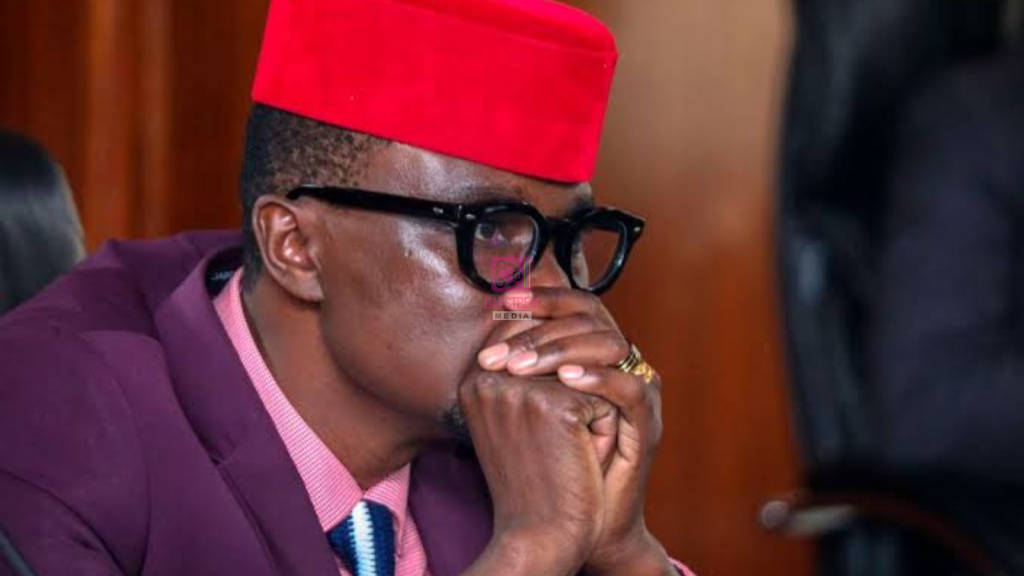
The reported remarks are the basis of the NCIC inquiry. Importantly, the summons is not a finding that Barasa committed an offence. The commission says he will have an opportunity to respond, present evidence and make representations before it makes a determination.
Why the remarks have attracted scrutiny
At the centre of the controversy is a difficult question in Kenya’s public-service system: how should the government balance merit-based recruitment with the constitutional requirement that public institutions reflect the country’s ethnic diversity?
The Constitution provides that public-service appointments and promotions should be based on fair competition and merit, while also requiring representation of Kenya’s diverse communities and adequate and equal opportunities for members of all ethnic groups. These principles are contained in Article 232.
Article 27 separately guarantees equality and prohibits discrimination on grounds including ethnic or social origin. The constitutional protection applies both to the State and, under Article 27(5), to discrimination by persons against others.
The National Cohesion and Integration Act also specifically addresses discrimination in employment. Section 7 makes it unlawful to discriminate in employment arrangements, including decisions about who should be offered employment, on ethnic grounds. It also requires public establishments to seek to reflect Kenya’s diversity in their staffing.
The Employment Act reinforces the principle by prohibiting employers from discriminating against employees or prospective employees on grounds including ethnic or social origin, including in recruitment and selection.
This creates an important distinction in the current controversy: ethnic representation in public institutions is constitutionally recognised, but using ethnicity as a basis for excluding an otherwise qualified applicant is separately prohibited.
The broader debate over public jobs
Barasa’s comments come against the backdrop of a longstanding Kenyan debate over access to public employment.
Article 232 does not establish a simple “merit versus diversity” choice. Instead, it expressly places several principles within the public-service framework: merit and fair competition, representation of Kenya’s diverse communities, and equal opportunities for members of all ethnic groups.
Kenyan courts have also considered the relationship between these principles. In a 2012 High Court case concerning public appointments, the court observed that merit is a basis for appointments but must be read alongside the constitutional requirements for ethnic diversity and equal opportunities.
More recently, the Employment and Labour Relations Court has reiterated that constitutional protections against ethnic discrimination apply to recruitment and public employment.
The legal framework therefore recognises diversity as a legitimate consideration in public institutions while maintaining protections against discrimination.
What the NCIC inquiry means
The NCIC was established to promote national cohesion and integration and to address issues including negative ethnicity, discrimination and hate speech. Its investigation into Barasa’s remarks will determine whether the statements fall within the provisions of the National Cohesion and Integration Act cited in the summons.
The commission has warned that failure to attend the inquiry could result in warrants of arrest and/or criminal or contempt proceedings.
Barasa’s appearance will consequently provide an opportunity for him to explain the context and meaning of his remarks, and for the commission to assess the statements and any evidence presented before reaching its own determination.
A separate NCIC summons
Barasa is not the only legislator facing an NCIC inquiry.
The commission has also summoned Turkana South MP John Ariko Namoit over remarks allegedly made in Kaputir Location, Kapurir Ward, Turkana South, on September 2. That inquiry concerns statements about relations between the Turkana and Pokot communities, livestock raids, security and the sharing of benefits from the Lokichar oil basin. Namoit is scheduled to appear before the commission on September 29 at 2 p.m.
The two cases are separate, but their timing places renewed attention on the role of political leaders in discussions touching on ethnicity, access to resources and regional interests.
Barasa is expected before the NCIC on September 29. The commission’s stated process is an inquiry rather than a conviction: he will be allowed to respond to the allegations, adduce evidence and make representations before the NCIC determines what action, if any, should follow.
For now, the central issue remains the substance and context of the remarks attributed to the MP, rather than a concluded finding of ethnic discrimination or hate speech.
The case also brings into focus a constitutional balancing act that has shaped Kenya’s public-service system since the adoption of the 2010 Constitution: public institutions are expected both to recruit on the basis of fair competition and merit and to reflect the country’s diverse communities, while discrimination based on ethnic origin remains prohibited.