At Least Five Dead as Overnight Russian Missile and Drone Barrage Hits Ukrainian Cities, Leaving Trail of Destruction
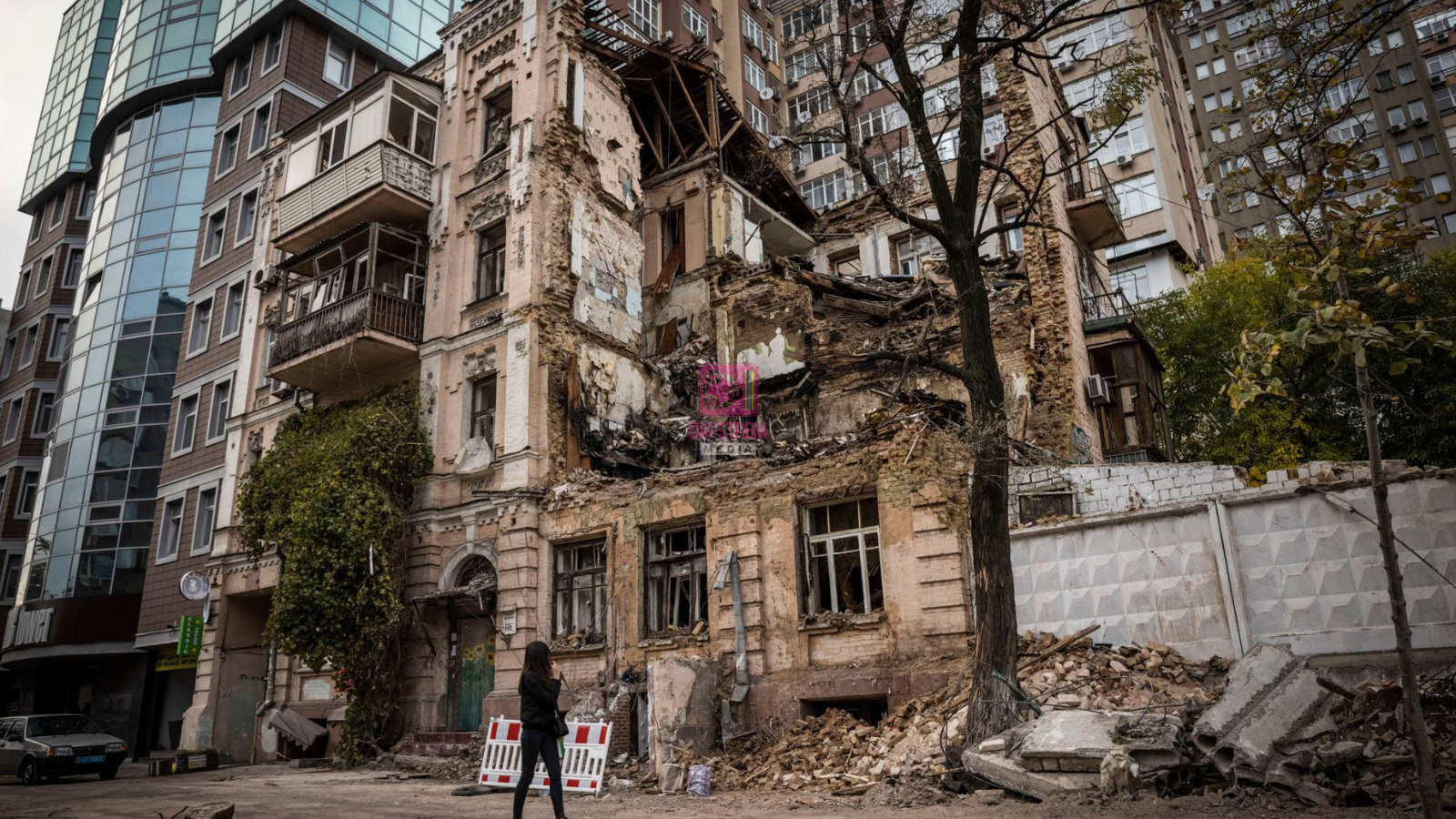
At least five people, including a 12-year-old girl, have been killed following a large-scale overnight assault by Russia targeting multiple locations across Ukraine, in what officials describe as one of the most intense waves of drone and missile strikes in recent weeks. The attack, which unfolded under the cover of darkness, left a trail of destruction in residential areas and further underscored the devastating toll of a war that has now stretched on for years.
Ukrainian authorities reported that the strikes involved a combination of long-range missiles and Iranian-designed Shahed drones, which have become a frequent feature of Russia’s aerial campaign. Air raid sirens echoed across several cities as air defense systems scrambled to intercept incoming threats. Despite some interceptions, several projectiles struck their targets, hitting civilian infrastructure and residential buildings.
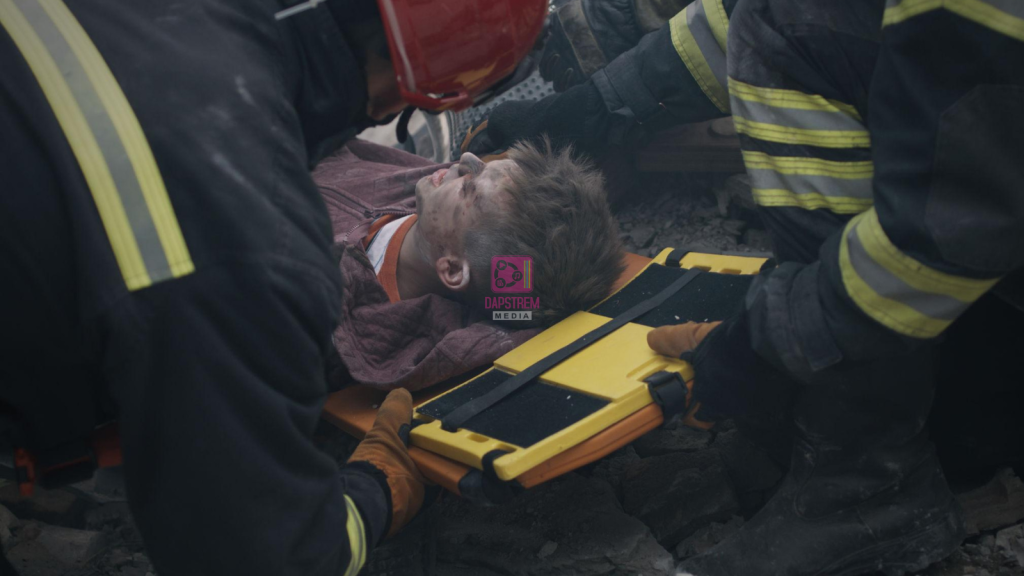
Emergency responders were deployed immediately after the strikes, working through the night to pull survivors from the rubble and transport the injured to hospitals. Among the victims was a young girl whose death has drawn renewed outrage and grief, symbolizing the human cost of a conflict that continues to impact ordinary families. Officials have warned that the casualty toll could rise as rescue operations continue and more areas are assessed.
The latest attack is part of a broader pattern in the ongoing war between Russia and Ukraine, which began in February 2022 following Russia’s full-scale invasion. The roots of the conflict, however, stretch back even further to 2014, when tensions escalated after Russia annexed Crimea and supported separatist movements in eastern Ukraine. What started as a regional dispute has since evolved into one of the most significant geopolitical conflicts of the 21st century.
Since the invasion, Ukraine has faced relentless bombardment targeting its energy infrastructure, military installations, and increasingly, urban centers. Russia has argued that such strikes are aimed at weakening Ukraine’s military capabilities, while Ukrainian officials and international observers have repeatedly accused Moscow of deliberately targeting civilian areas—a claim Russia denies.
Over the past two years, the war has transformed daily life in Ukraine. Cities that were once bustling economic and cultural hubs have experienced repeated attacks, leading to widespread displacement. Millions of Ukrainians have been forced to flee their homes, either relocating within the country or seeking refuge in neighboring European nations. Critical infrastructure, including power plants, water systems, and transportation networks, has suffered extensive damage.
The use of drones and missile strikes has become a defining feature of the conflict. These attacks are often launched in waves, designed to overwhelm air defense systems and maximize impact. Ukrainian forces, supported by Western military aid, have improved their defensive capabilities over time, successfully intercepting many incoming threats. However, as the latest incident shows, not all attacks can be stopped, and the consequences remain devastating.
International reactions to the latest strikes have been swift, with several countries condemning the attacks and calling for renewed diplomatic efforts to end the war. Humanitarian organizations have also raised concerns about the continued targeting of civilian areas and the growing number of casualties, particularly among children.
Efforts to reach a lasting peace have so far yielded little progress. Diplomatic negotiations have stalled multiple times, with both sides maintaining firm positions. Ukraine insists on the restoration of its territorial integrity, while Russia continues to pursue its strategic objectives in the region. The conflict has also drawn in global powers, with Western nations providing military and financial support to Ukraine, while imposing sanctions on Russia in an attempt to pressure Moscow into changing course.
For civilians on the ground, however, the geopolitical complexities offer little comfort. Each new wave of attacks brings renewed fear and uncertainty, as families seek shelter in basements and bunkers during air raids. The psychological toll of living under constant threat is immense, particularly for children who have grown up in the shadow of war.
The overnight strikes serve as a stark reminder that the conflict remains far from over. Despite periods of relative calm, large-scale attacks continue to occur, often with little warning. As Ukraine strengthens its defenses and the international community continues to monitor developments, the risk of further escalation remains ever-present.
As rescue teams continue their work and communities begin the process of recovery once again, the tragedy highlights the urgent need for a resolution to the conflict. Until then, the people of Ukraine remain caught in a cycle of violence that shows no immediate signs of ending, with each new attack adding to the growing human and humanitarian cost of the war.