Ruto Taps Former Isiolo South MP Abdul Bahari Ali to Steer Konza Technopolis Into Its Next Phase of Growth and Innovation
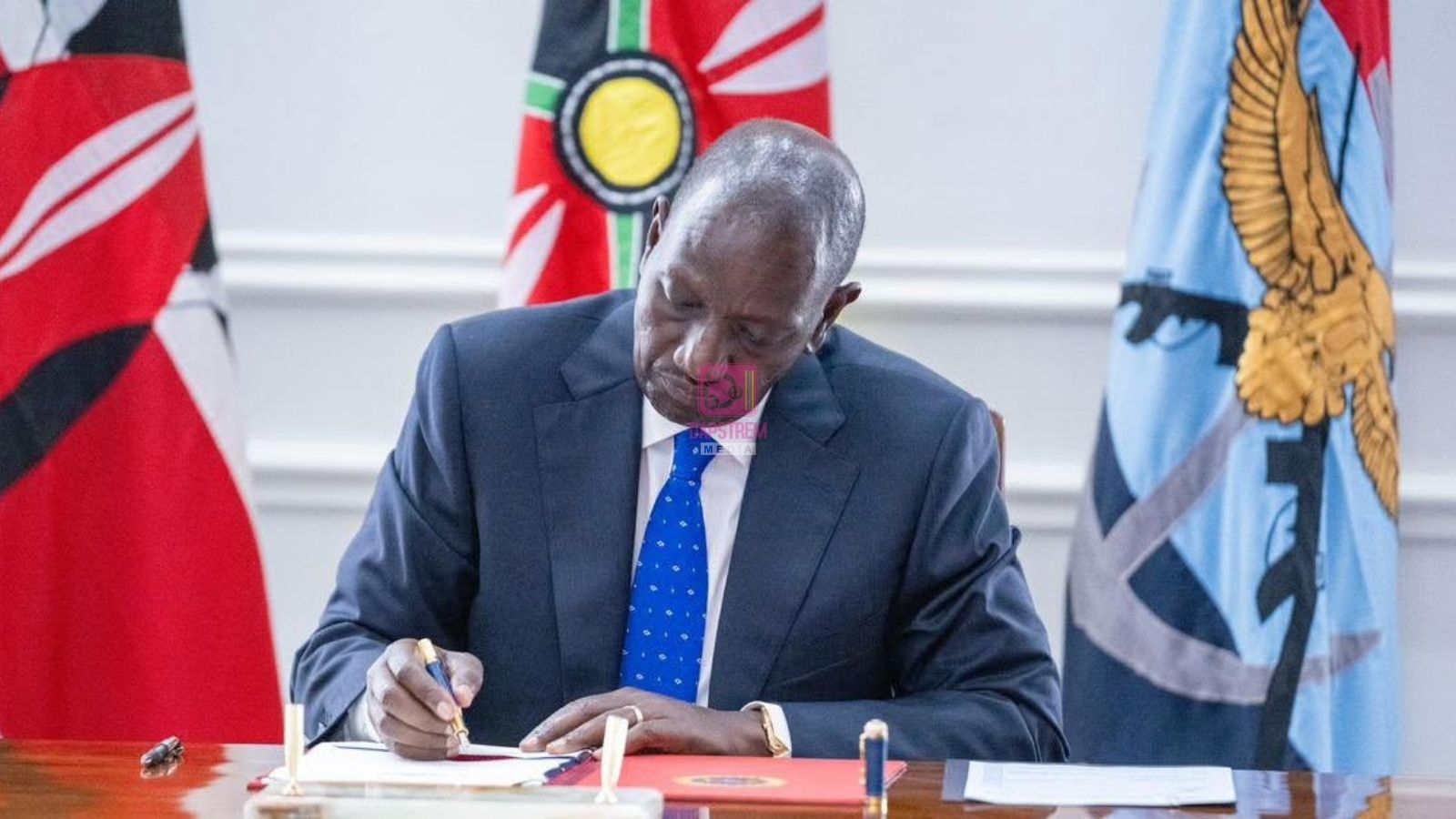
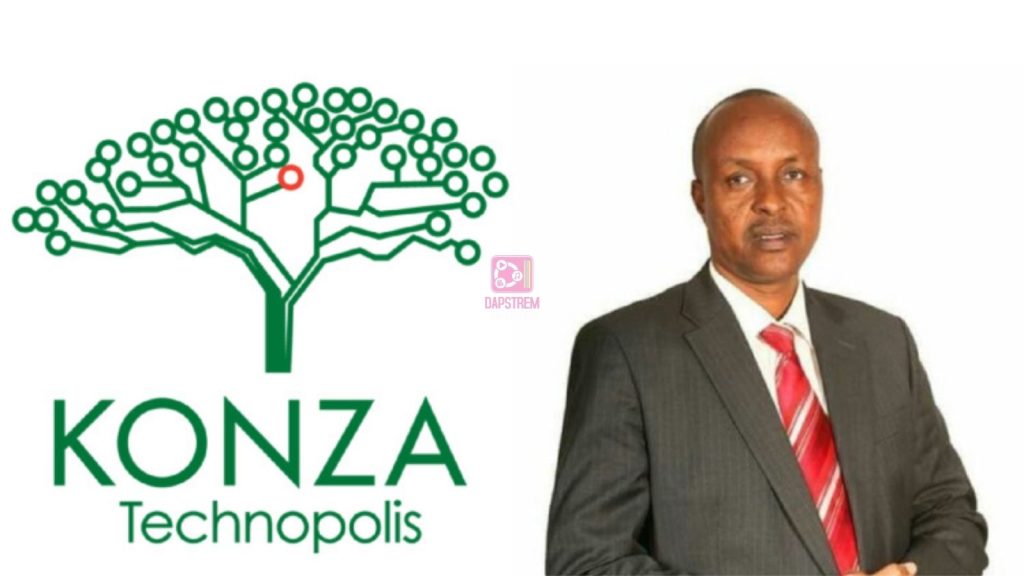
President William Ruto has appointed former Isiolo South Member of Parliament Abdul Bahari Ali as the new Chairperson of the Konza Technopolis Development Authority Board, a move that has attracted attention from both political and technology circles as Kenya continues to position itself as a leading innovation hub in Africa.
The appointment places Abdul Bahari Ali at the helm of one of Kenya’s most ambitious and strategically important development projects. Konza Technopolis, often referred to as “Africa’s Silicon Savannah,” is envisioned as a world-class smart city designed to drive technological innovation, attract foreign investment, create jobs, and accelerate Kenya’s transformation into a knowledge-based economy.
Ali’s appointment comes at a critical time when the government is intensifying efforts to fast-track the development of Konza Technopolis and unlock its full economic potential. The project has long been viewed as a flagship initiative capable of reshaping Kenya’s digital future while positioning the country as a regional leader in technology, research, and innovation.
For many Kenyans, the announcement is significant not only because of the importance of Konza Technopolis but also because of Ali’s extensive experience in public service and leadership. Having served as the Member of Parliament for Isiolo South, he brings years of experience in governance, policy implementation, stakeholder engagement, and public administration.
As chairperson, Ali will be expected to provide strategic leadership to the board while overseeing policies that guide the growth and expansion of the smart city project. His responsibilities will likely include coordinating with government ministries, engaging investors, strengthening partnerships with educational institutions, and ensuring that development targets are achieved within the government’s broader economic agenda.
Konza Technopolis remains one of the most ambitious projects ever undertaken by the Kenyan government. Conceived more than a decade ago, the project was designed to serve as a catalyst for technological advancement, innovation, and industrial transformation. The city is expected to host technology companies, research institutions, universities, business process outsourcing firms, startups, and advanced manufacturing facilities.
The vision behind Konza goes beyond constructing buildings and infrastructure. It seeks to create an ecosystem where innovation can thrive, where entrepreneurs can access opportunities, and where technological solutions can be developed to address local and global challenges. The project is intended to serve as a bridge between academia, government, and the private sector, fostering collaboration that drives economic growth.
Over the years, significant investments have been made in the development of the technopolis. Roads, water systems, power infrastructure, data centers, and smart city technologies have gradually taken shape. Several government agencies and institutions have already established a presence within the city, while plans continue to attract both local and international investors.
The government has consistently described Konza as a cornerstone of Kenya’s digital transformation agenda. As the global economy becomes increasingly technology-driven, countries are investing heavily in innovation ecosystems that support entrepreneurship, research, and digital industries. Kenya’s strategy through Konza is to create an environment capable of competing with leading technology hubs around the world.
The appointment of Ali is therefore viewed as part of broader efforts to strengthen leadership and governance structures within the project. Effective governance is widely regarded as a critical factor in the success of large-scale development initiatives. Investors, development partners, and stakeholders often look for strong leadership and clear strategic direction before committing resources to major projects.
Supporters of the appointment argue that Ali’s political experience and understanding of government processes could help facilitate smoother coordination among various institutions involved in the project. Large infrastructure and innovation projects often require cooperation between multiple agencies, county governments, private investors, and international partners. Strong leadership at the board level can play a key role in ensuring that such collaborations are successful.
The appointment also reflects President Ruto’s continued focus on implementing projects aligned with his administration’s economic transformation agenda. Since taking office, the President has repeatedly emphasized the importance of technology, digital infrastructure, innovation, and youth employment as key pillars of Kenya’s future development.
One of the biggest promises associated with Konza Technopolis has always been job creation. The project is expected to generate thousands of direct and indirect employment opportunities across various sectors. These opportunities range from construction and infrastructure development to software engineering, research, business services, education, and advanced manufacturing.
For young Kenyans entering the workforce, the growth of Konza represents the possibility of accessing new career opportunities within the country instead of seeking opportunities abroad. The development of a thriving technology ecosystem could also help nurture local talent while attracting skilled professionals from across Africa and beyond.
Beyond employment, Konza is expected to contribute significantly to Kenya’s economic growth. Technology-driven industries have become major drivers of economic expansion in many countries, generating high-value jobs and attracting substantial investment. By creating a favorable environment for innovation and entrepreneurship, Kenya hopes to increase its competitiveness in the global digital economy.
Education and research are also expected to play a central role in the city’s development. Partnerships between universities, research institutions, and private companies are intended to promote innovation and facilitate the commercialization of research findings. Such collaborations could help transform academic discoveries into practical solutions that address real-world challenges.
The appointment of Abdul Bahari Ali comes at a time when Kenya is seeking to strengthen its position as one of Africa’s leading technology destinations. The country’s vibrant startup ecosystem, growing internet penetration, expanding digital infrastructure, and supportive policy environment have already earned it international recognition. Konza Technopolis is expected to build upon these strengths by providing a dedicated environment for innovation and technological advancement.
However, the project has not been without challenges. Over the years, questions have occasionally been raised regarding timelines, funding, investor uptake, and implementation speed. Like many large-scale infrastructure projects around the world, Konza has faced hurdles related to financing, planning, and execution. The success of the project will depend on sustained commitment, effective management, and the ability to adapt to changing economic conditions.
This reality places considerable responsibility on the leadership of the board and management team. Stakeholders will be keenly watching how the new chairperson approaches these challenges and whether his leadership can help accelerate progress toward achieving the project’s long-term objectives.
As Abdul Bahari Ali assumes his new role, expectations will be high. His appointment represents more than a leadership change; it symbolizes renewed efforts to drive one of Kenya’s most transformative national projects forward. The coming years will be crucial in determining whether Konza Technopolis can fully realize its ambitious vision of becoming Africa’s premier innovation city.
For President Ruto’s administration, the success of Konza would serve as a powerful demonstration of Kenya’s ability to leverage technology and innovation as engines of economic growth. For investors, entrepreneurs, researchers, and young professionals, it offers the promise of new opportunities in a rapidly evolving digital landscape.
Ultimately, the appointment of Abdul Bahari Ali marks another important chapter in the story of Konza Technopolis. As Kenya continues its journey toward becoming a leading technology and innovation hub, the decisions made today will shape the country’s economic future for decades to come. The spotlight now turns to the new board chair and his team as they work to transform one of Africa’s most ambitious smart city projects into a thriving center of innovation, investment, and opportunity.