Ruto Seeks New Trade Opportunities and Foreign Investment as Kenya Deepens Economic Ties with Europe
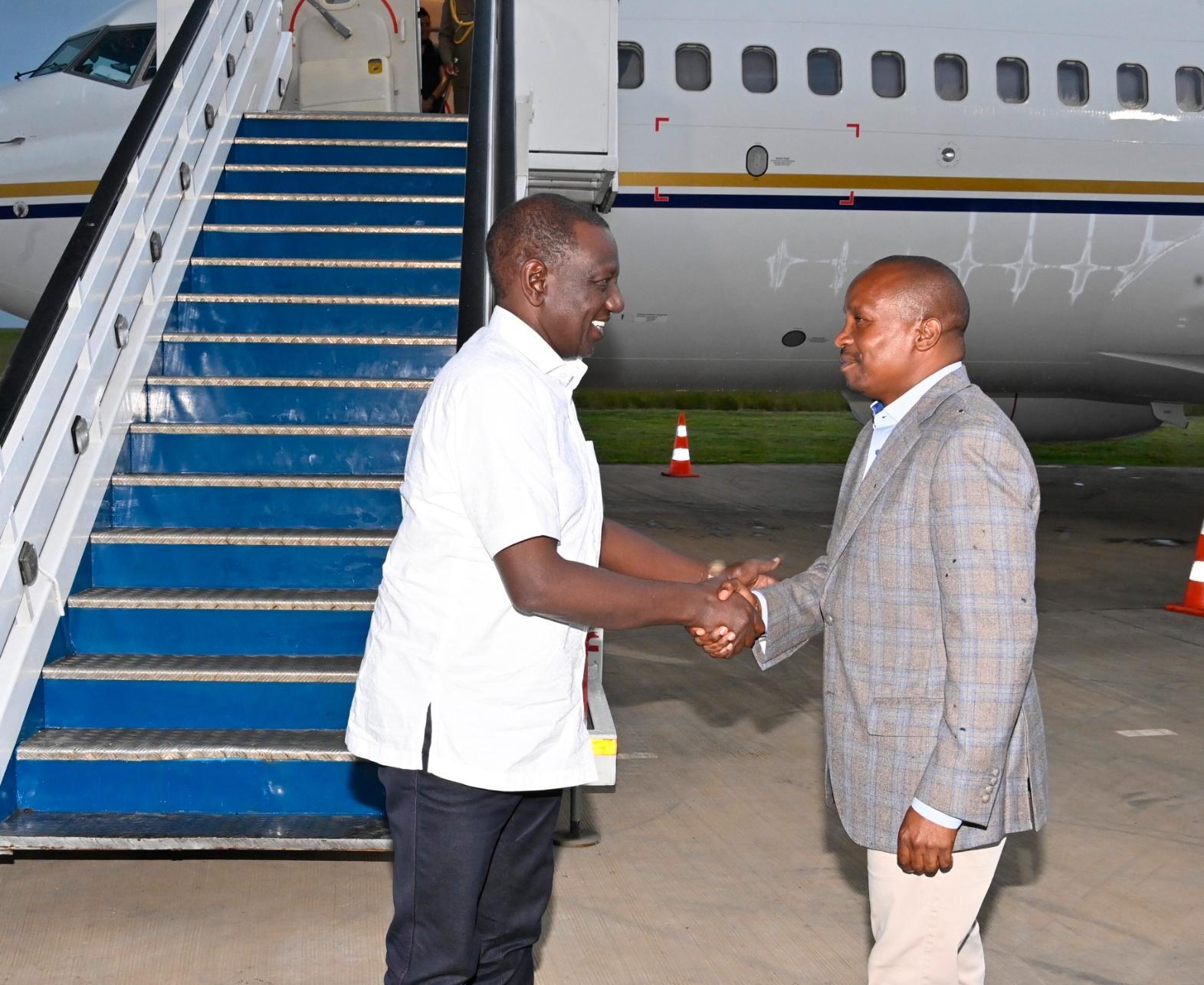
President William Ruto has embarked on a strategic three-nation tour of Europe, beginning with a state visit to Finland before proceeding to Belgium and Norway, in a move aimed at strengthening Kenya’s economic ties with Europe, attracting foreign investment, and expanding market opportunities for Kenyan products.
The trip comes at a time when Kenya is aggressively pursuing new trade partnerships and investment opportunities to stimulate economic growth, create jobs, and boost exports. As global economies continue to evolve amid shifting geopolitical and economic dynamics, governments around the world are increasingly seeking stronger bilateral and multilateral partnerships that can open new opportunities for businesses and citizens. Kenya is no exception.
President Ruto’s visit is expected to focus on enhancing diplomatic relations, deepening economic cooperation, and positioning Kenya as a preferred destination for investment in Africa. The three European nations on the itinerary are among the continent’s most developed economies and possess significant expertise in sectors that Kenya considers critical to its future growth, including technology, renewable energy, manufacturing, agriculture, education, infrastructure, and innovation.
The state visit to Finland is particularly significant because it marks another milestone in the growing relationship between Nairobi and Helsinki. Finland is globally recognized for its innovation-driven economy, advanced education system, technological development, and commitment to sustainable growth. Kenya has increasingly sought partnerships with countries that can contribute to its digital transformation agenda and industrialization efforts.
During the visit, President Ruto is expected to engage with government officials, investors, business leaders, and development partners to explore opportunities for collaboration. Discussions are likely to focus on trade, technology transfer, green energy investments, education partnerships, and innovation ecosystems that can support Kenya’s long-term development objectives.
The President’s European tour reflects a broader strategy by his administration to diversify Kenya’s export markets and reduce dependence on traditional trading partners. While Kenya has maintained strong trade relations within East Africa and other regions, expanding access to European markets remains a key priority due to the continent’s substantial purchasing power and demand for high-quality agricultural and manufactured products.
Kenyan exports such as tea, coffee, flowers, fruits, vegetables, textiles, and processed agricultural products continue to enjoy strong demand in various international markets. However, government officials believe there is significant room for growth if additional market access barriers can be addressed and new commercial partnerships established.
For many Kenyan producers, farmers, exporters, and entrepreneurs, increased access to European markets could translate into higher revenues, expanded production, and more employment opportunities. Smallholder farmers, who form the backbone of Kenya’s agricultural sector, stand to benefit significantly if demand for Kenyan products continues to grow across Europe.
Agriculture remains one of Kenya’s most important economic sectors, contributing substantially to employment, export earnings, and food security. The government has repeatedly emphasized the importance of increasing agricultural exports as part of its strategy to strengthen foreign exchange earnings and improve livelihoods. President Ruto’s engagements are therefore expected to include discussions aimed at facilitating greater access for Kenyan agricultural products while ensuring compliance with European quality and sustainability standards.
After Finland, the President will travel to Belgium, a country that holds special importance within European diplomacy and international commerce. Belgium hosts key institutions of the European Union and serves as a gateway to broader European markets. Meetings in Belgium are expected to focus not only on bilateral relations but also on strengthening Kenya’s engagement with European institutions and policymakers.
The European Union remains one of Kenya’s largest trading partners and a major source of development cooperation, investment, and technical assistance. Strengthening relations with EU institutions could help Kenya secure favorable trade arrangements, attract more investors, and enhance cooperation in areas such as climate action, digital transformation, infrastructure development, and sustainable economic growth.
The Belgian leg of the trip is also likely to involve discussions on investment promotion. Kenya has been actively marketing itself as a strategic investment destination due to its relatively stable economy, improving infrastructure, youthful workforce, and position as a gateway to East and Central Africa. By engaging directly with European investors and business leaders, President Ruto hopes to attract capital that can support key sectors of the economy.
Investment attraction has become a central pillar of the government’s economic agenda. Foreign direct investment is viewed as an important source of capital, technology, expertise, and job creation. Successful investment deals can contribute to industrial expansion, infrastructure development, and innovation while strengthening Kenya’s competitiveness in regional and global markets.
The final stop on the President’s tour will be Norway, a country renowned for its expertise in renewable energy, maritime industries, environmental sustainability, and sovereign wealth management. Norway has long been recognized as a global leader in green energy solutions, making it an important partner as Kenya accelerates its transition toward clean and sustainable energy sources.
Kenya has already established itself as one of Africa’s leaders in renewable energy production, particularly in geothermal, wind, and solar power. The country has ambitious plans to further expand its renewable energy capacity while supporting industrial growth and ensuring reliable electricity access. Partnerships with Norwegian institutions and investors could help advance these goals through technology sharing, investment, and knowledge exchange.
Environmental sustainability is expected to feature prominently in discussions throughout the tour. Climate change continues to pose significant challenges to economies worldwide, particularly in developing countries that face increasing vulnerability to droughts, floods, and other extreme weather events. Kenya has positioned itself as a strong advocate for climate action and green growth, making collaboration with environmentally progressive nations particularly important.
Beyond economic matters, the tour also highlights the role of diplomacy in advancing national development goals. Modern diplomacy extends far beyond traditional political engagements. Today, international relations are increasingly focused on trade promotion, investment attraction, technology partnerships, and economic cooperation. Presidential visits provide opportunities to build trust, strengthen relationships, and create platforms for future collaboration.
For President Ruto, the trip also offers an opportunity to showcase Kenya’s progress and potential on the global stage. International investors often seek assurance regarding political stability, economic reforms, infrastructure readiness, and regulatory environments before committing resources. Direct engagement with heads of state, business leaders, and investment communities allows Kenya to communicate its strengths and investment opportunities more effectively.
The government has consistently emphasized that economic diplomacy will remain a key pillar of Kenya’s foreign policy. This approach aligns diplomatic efforts with economic objectives, ensuring that international engagements contribute directly to job creation, industrialization, export growth, and overall economic development.
Critics of foreign travel by political leaders often question the tangible outcomes of such visits. However, government officials argue that attracting investment and securing trade opportunities requires sustained engagement with international partners. Many major investment agreements and trade partnerships emerge from long-term diplomatic relationships rather than isolated negotiations.
The success of the three-nation tour will ultimately be measured by the agreements signed, investments secured, and opportunities created for Kenyan businesses and workers. If the engagements lead to expanded market access, increased exports, and new investment commitments, the benefits could extend across multiple sectors of the economy.
For Kenyan entrepreneurs, exporters, farmers, and manufacturers, the prospect of stronger ties with European markets offers hope for growth and expansion. Increased trade can stimulate production, encourage innovation, and create employment opportunities, particularly for young people entering the workforce.
As President Ruto continues his engagements in Finland, Belgium, and Norway, attention will remain focused on the outcomes of the visit and its potential impact on Kenya’s economic future. The tour represents more than a diplomatic mission; it is part of a broader effort to position Kenya as a competitive, investment-friendly, and globally connected economy capable of leveraging international partnerships to drive sustainable growth.
At a time when nations are competing for investment, technology, and market opportunities, Kenya’s outreach to Europe reflects a determination to secure its place in the evolving global economy. Whether through expanded exports, new investment deals, technological partnerships, or enhanced diplomatic cooperation, the success of the tour could contribute significantly to the country’s long-term development aspirations and economic transformation agenda.