Gaddafi’s Legacy Lives On: Saif al-Islam’s Legacy Cut Short
Details surrounding the incident are still emerging, but it’s believed that the attackers took deliberate steps to disable security measures before carrying out the attack. The motive behind the assassination is currently unclear, and no group has claimed responsibility for the act.
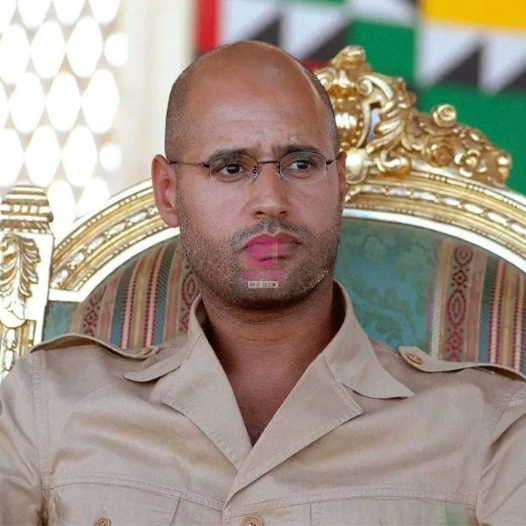
Saif al-Islam Gaddafi was a prominent figure in Libyan politics, born on June 25, 1972, to Muammar Gaddafi and his second wife, Safia Farkash. He was educated in Libya, Austria, and the UK. Earning a PhD in Economics from the London School of Economics in 2008. Saif was seen as a potential successor to his father and played a significant role in Libyan politics, often serving as a spokesman for the regime.
During the 2011 Libyan civil war, Saif al-Islam was instrumental in communicating with international leaders, trying to salvage the regime. However, after the fall of Tripoli, he was captured in the southern desert town of Ubari and later sentenced to death in 2015 for his role in suppressing protests. After Tripoli’s fall, he was captured in Ubari and sentenced to death in 2015 for suppressing protests. He was released from prison in 2017 under an amnesty law and had been living in Libya since then, mostly staying out of the public eye.
The reported assassination of Saif al-Islam Gaddafi raises significant questions about stability in Libya and potential repercussions in the region. The country’s history of turmoil and factional violence makes this incident particularly concerning. Libya has been struggling to find peace and stability since the 2011 NATO-backed uprising that toppled and killed Muammar Gaddafi.
Libyan authorities have yet to comment officially on the incident, and investigations are expected to follow. The international community is likely to be watching developments closely, given Gaddafi’s significance in Libyan history and politics.
As the situation unfolds, one thing is certain – the assassination of Saif al-Islam Gaddafi will have far-reaching implications for Libya and the wider region. The world waits for more information as Libya grapples with the aftermath of this shocking incident.
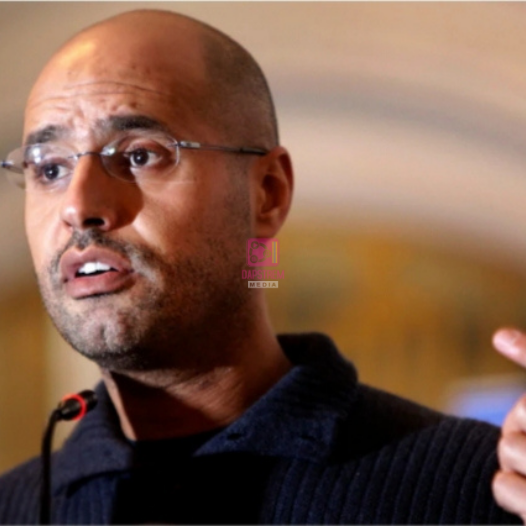
As the news of Saif al-Islam Gaddafi’s assassination sends shockwaves across Libya and the world, questions about the country’s future loom large. With Libya still reeling from the aftermath of the 2011 uprising and struggling to establish a stable government, this incident threatens to further destabilize the fragile security situation. The international community watches with bated breath as Libyans grapple with the implications of this latest development.