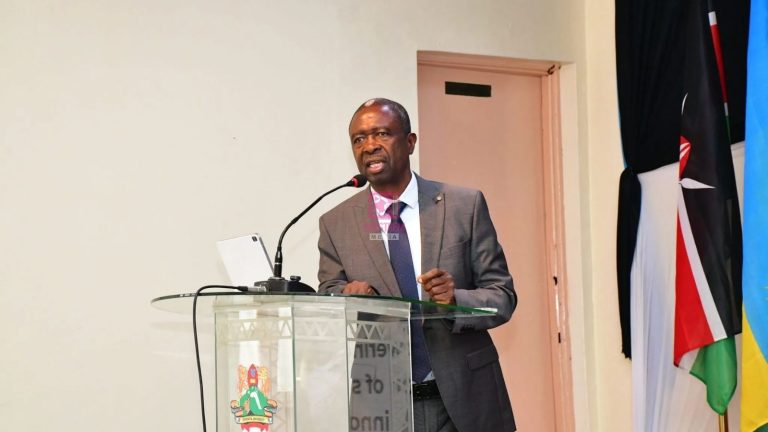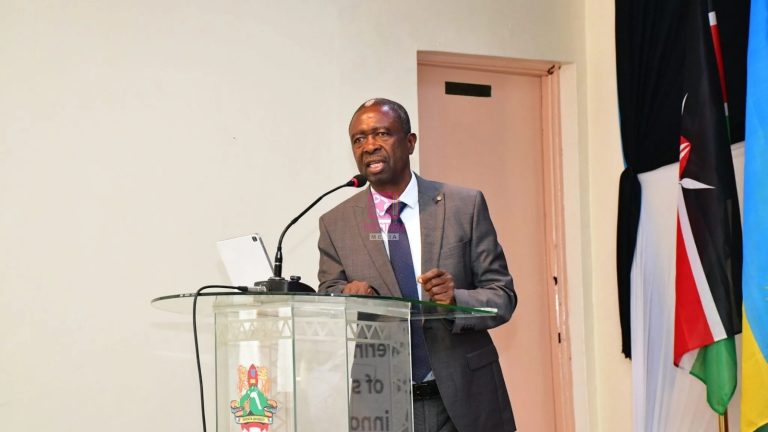
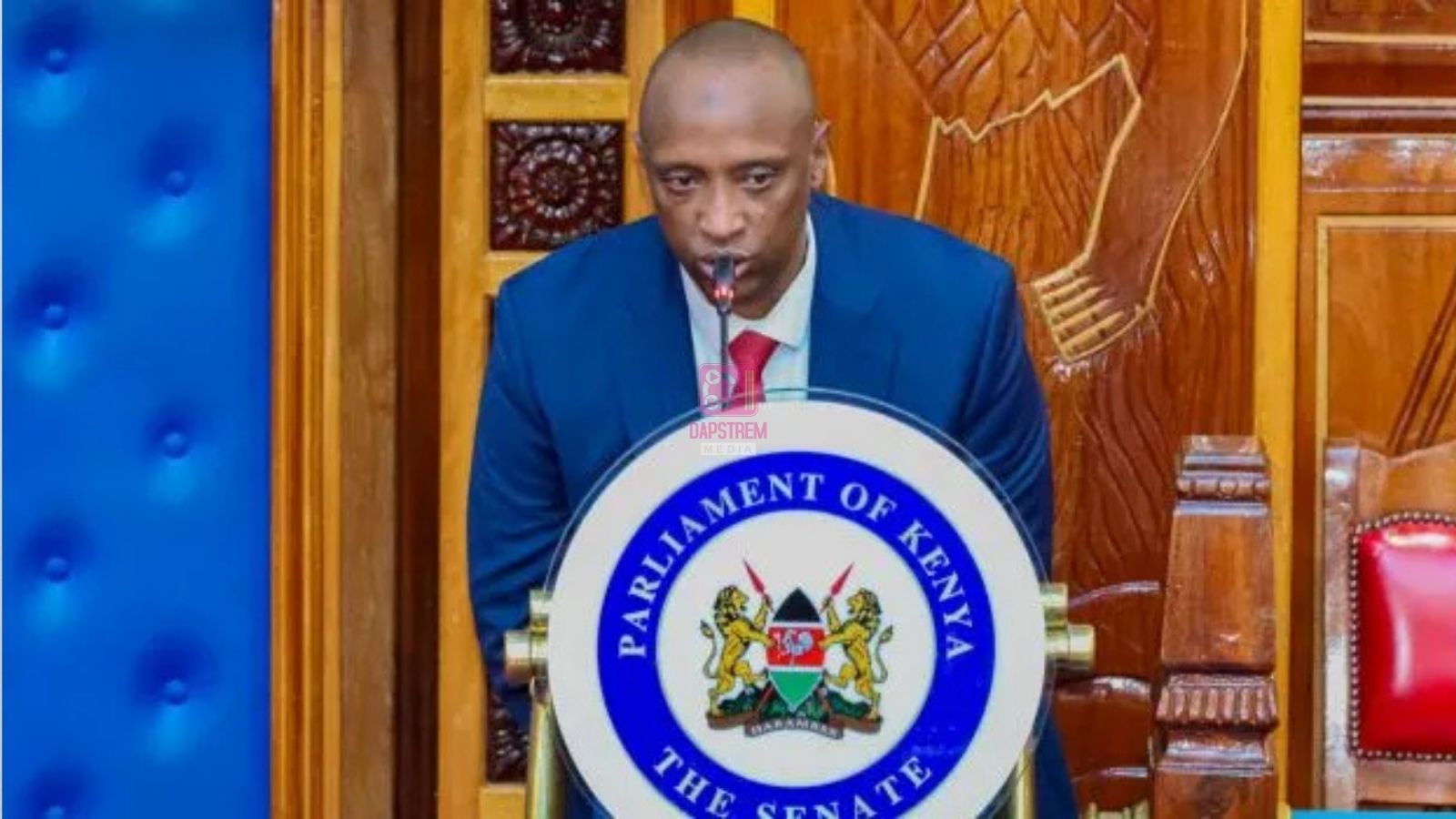
Senate Public Accounts Committee Gives IG Douglas Kanja 10 Days to Arrest and Produce Isiolo Governor Abdi Guyo for Failing to Honour Summons
The Senate Public Accounts Committee (PAC) has issued a firm directive to Inspector General of Police Douglas Kanja, giving him 10 days to arrest and produce Isiolo Governor Abdi Guyo before the committee after the governor allegedly failed to honour repeated summons issued by the Senate. The move marks a significant escalation in the Senate’s oversight role and underscores Parliament’s determination to hold public officials accountable for the management of public resources.
The directive has sparked widespread debate across Kenya’s political and governance landscape, raising important questions about accountability, respect for constitutional institutions, and the obligations of elected leaders to appear before parliamentary committees whenever required. It also highlights the growing resolve by oversight institutions to ensure that governors and other public officers respond to inquiries concerning the use of taxpayers’ money.
Parliamentary committees play a central role in Kenya’s constitutional system by examining government expenditure, reviewing audit reports, investigating public finance matters, and ensuring that state officers account for the management of public resources. Their work is regarded as a cornerstone of transparency and accountability within both the national and county governments.
According to the committee, Governor Abdi Guyo failed to appear despite being summoned to answer questions relating to matters under the committee’s mandate. Members of the committee expressed concern over what they described as continued non-compliance with parliamentary summons, arguing that such conduct undermines the authority of Parliament and weakens oversight mechanisms established under the Constitution.
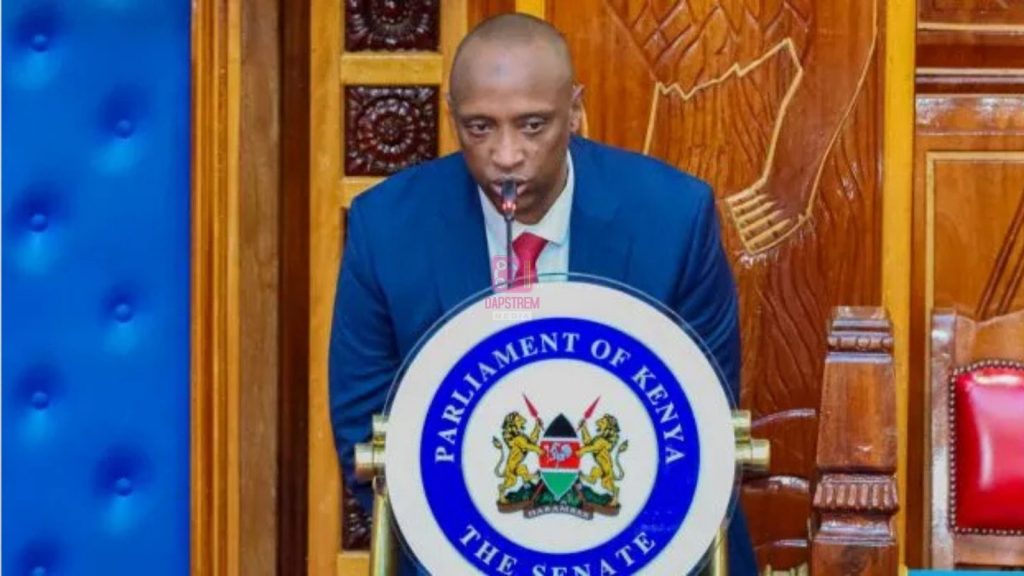
The committee consequently directed the Inspector General to ensure that the governor is arrested and presented before the Senate within ten days so that the proceedings can continue. The order demonstrates the seriousness with which parliamentary committees treat failure to comply with official summons.
The Senate has constitutional responsibility for protecting the interests of counties and overseeing how county governments utilize public funds allocated from the national government and revenues generated locally. Through committees such as the Public Accounts Committee and the County Public Accounts Committee, senators scrutinize audit findings, examine financial records, and question county executives on expenditure, procurement, project implementation, and financial management.
County governors regularly appear before Senate committees to respond to audit queries raised by the Office of the Auditor-General. These sessions provide legislators with an opportunity to seek clarification on expenditures that may appear unsupported, delayed projects, procurement concerns, or weaknesses identified in financial management systems.
Audit reports themselves do not automatically imply criminal wrongdoing. Rather, they identify issues requiring explanation or corrective action. It is therefore the responsibility of accounting officers and relevant county officials to provide satisfactory responses supported by documentation. Parliamentary committees then determine whether the explanations adequately address the issues raised.
Failure to appear before such committees can significantly delay accountability processes and hinder Parliament’s constitutional oversight role. Legislators have consistently argued that cooperation by public officials is essential to ensuring that public resources are managed prudently and that taxpayers receive value for money.
The latest development places considerable attention on Isiolo County, where governance issues have periodically attracted national interest. Like all county governments, Isiolo receives substantial public funding to support healthcare, education, agriculture, infrastructure development, water services, trade, and other devolved functions intended to improve residents’ livelihoods.
Citizens expect these resources to be managed efficiently, transparently, and in accordance with the Public Finance Management Act and other relevant laws. Parliamentary oversight therefore serves as an important safeguard against financial mismanagement while promoting responsible governance at the county level.
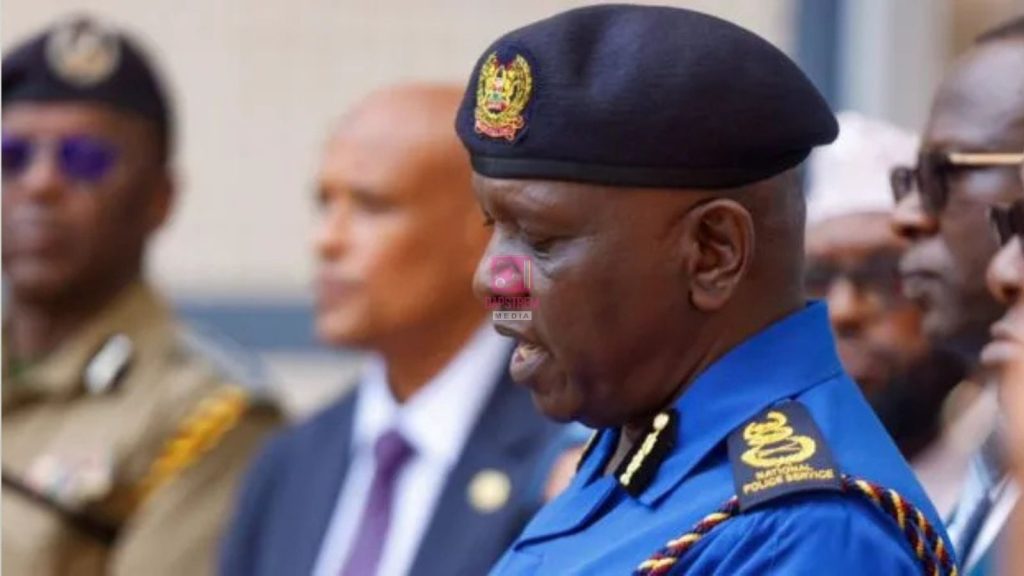
The directive issued to the Inspector General also highlights the relationship between Parliament and law enforcement agencies. While the National Police Service operates independently in carrying out its constitutional mandate, police officers may be called upon to enforce lawful orders issued by competent institutions, including courts and, where authorized by law, parliamentary processes.
Legal experts note that parliamentary summons are not mere invitations. Under Kenya’s legal framework, parliamentary committees possess powers to summon witnesses and require the production of documents necessary for their investigations. Individuals who fail to comply without lawful justification may face legal consequences, including enforcement measures provided under the law.
The matter has also generated political discussion, with supporters and critics offering differing interpretations of the committee’s action. Some view the directive as evidence that Parliament is strengthening accountability and demonstrating that no public official should be above oversight. Others have emphasized the importance of ensuring that all enforcement actions strictly follow constitutional and legal procedures while respecting the rights of those involved.
Regardless of political opinion, the development reinforces a broader national conversation about accountability in public office. County governments manage billions of shillings annually to deliver essential services, making effective oversight indispensable for maintaining public confidence in devolution.
Since the introduction of devolved government under the 2010 Constitution, county administrations have played an increasingly important role in local development. Governors oversee significant budgets that finance hospitals, roads, water projects, agricultural programs, early childhood education, markets, and numerous community initiatives. With such responsibilities comes the expectation of regular accountability before oversight institutions.
Parliamentary oversight has become one of the principal mechanisms for ensuring that public funds achieve their intended purpose. Through public hearings, examination of audit reports, and questioning of public officials, committees seek to identify weaknesses in financial management while recommending corrective measures aimed at improving governance.
The Office of the Auditor-General also remains central to this accountability framework. Annual audit reports submitted to Parliament provide legislators with detailed assessments of how national and county entities have managed public resources. These reports often highlight areas requiring further clarification, forming the basis of many committee hearings.
For residents of Isiolo County, the proceedings carry particular significance because they relate to the governance of resources intended for local development. Effective accountability ultimately benefits citizens by encouraging prudent expenditure, reducing waste, improving service delivery, and strengthening public trust in county institutions.
The directive issued to the Inspector General also sends a broader message to public officials across the country regarding the importance of respecting parliamentary institutions. Compliance with oversight processes is widely regarded as an essential component of democratic governance, regardless of political affiliation or office held.
As the ten-day period progresses, attention will focus on whether Governor Guyo appears before the committee voluntarily or whether enforcement measures become necessary. The Inspector General’s response to the Senate’s directive will also be closely watched, given the constitutional responsibilities of both Parliament and the National Police Service.
Governance experts argue that accountability should not be viewed as punitive but rather as a mechanism for promoting transparency and improving public administration. Regular appearances before parliamentary committees provide public officials with an opportunity to explain decisions, clarify audit findings, address concerns, and demonstrate responsible stewardship of public funds.
The proceedings may also contribute to broader reforms in county financial management by highlighting areas where stronger controls, improved record-keeping, enhanced procurement practices, or better project monitoring may be required. Such outcomes ultimately strengthen the effectiveness of devolution and enhance service delivery to citizens.
For Kenya’s democratic institutions, the case represents another example of constitutional checks and balances functioning through established oversight mechanisms. Parliament, the Auditor-General, county governments, and law enforcement agencies each perform distinct but complementary roles in safeguarding public resources and promoting accountable governance.
Ultimately, the Senate Public Accounts Committee’s decision to give Inspector General Douglas Kanja ten days to arrest and produce Isiolo Governor Abdi Guyo marks a significant moment in Kenya’s ongoing efforts to strengthen accountability within county governments. Whether through voluntary compliance or enforcement of lawful orders, the outcome will be closely monitored as a test of the effectiveness of parliamentary oversight and the commitment of public institutions to uphold the principles of transparency, accountability, and respect for the rule of law.
As the deadline approaches, Kenyans will be watching closely to see how the matter unfolds and what it means for the future of county governance, parliamentary authority, and public confidence in institutions entrusted with safeguarding the nation’s resources.