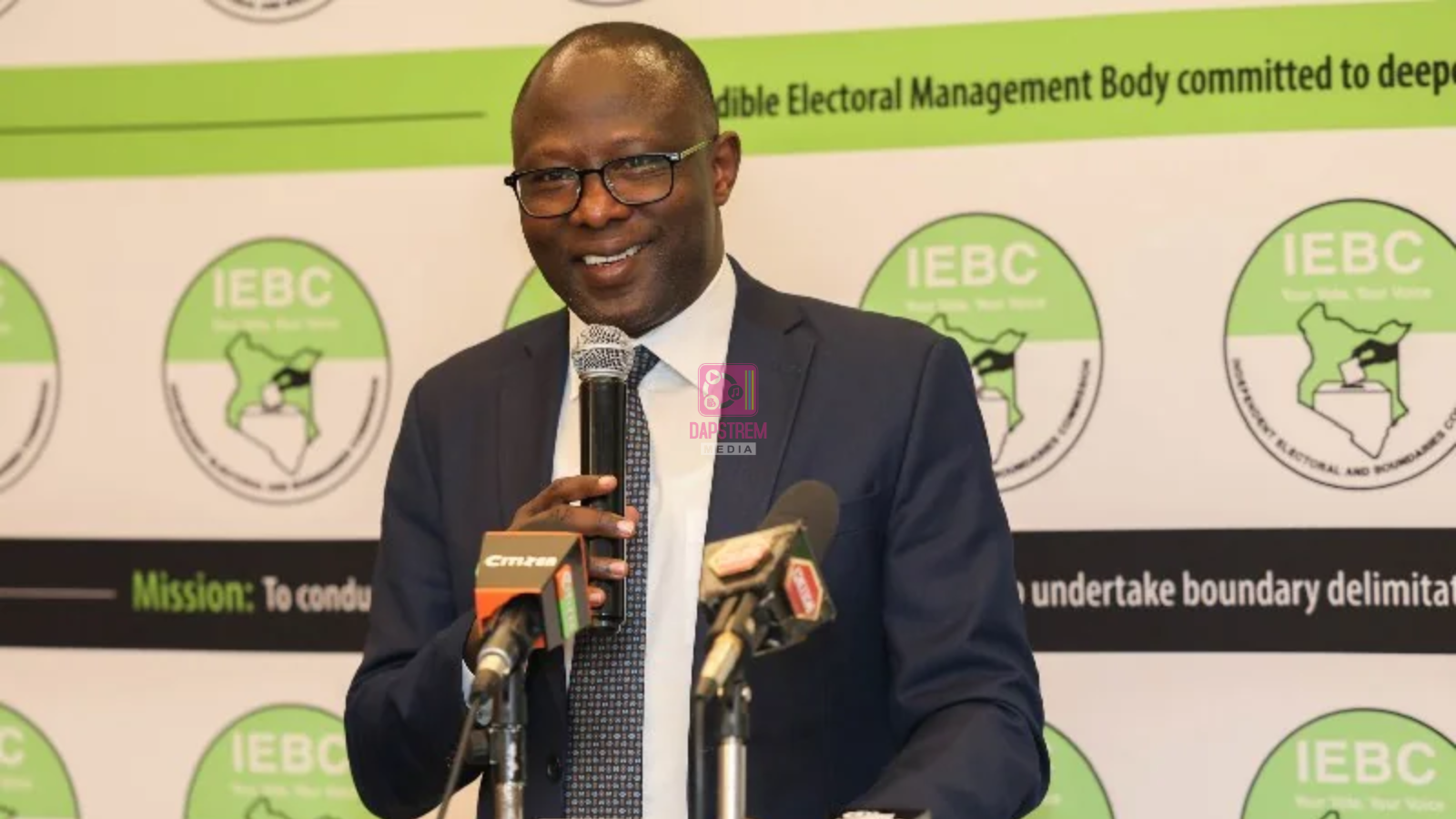
The replacement of thousands of ageing Kenya Integrated Election Management System (KIEMS) kits ahead of the 2027 General Election could be delayed or scaled back after the Independent Electoral and Boundaries Commission (IEBC) was left facing a Sh23.7 billion funding gap for key preparations in the 2026/27 financial year.
The warning has been raised by the Parliamentary Budget Office (PBO), which says the IEBC requires Sh48.7 billion during the 2026/27 financial year to undertake election preparations but has received an allocation of only Sh25 billion.
The shortfall comes at a critical stage of preparations, with the electoral commission expected to undertake major procurement, voter registration, technology upgrades, staff preparation and other activities before the August 2027 elections.
The PBO said inadequate funding could particularly affect the commission’s plans to acquire and replace KIEMS kits, which are used for voter identification, biometric verification and results transmission.
KIEMS replacement faces funding squeeze
According to the PBO, the IEBC’s information and communications technology requirements for the financial year stand at Sh9.4 billion, but only Sh4.7 billion has been allocated.
That leaves an ICT funding gap of approximately Sh4.7 billion, with the Budget Office warning that the deficit could have its biggest impact on the acquisition and replacement of KIEMS equipment.
The kits form a central part of Kenya’s election technology infrastructure. They are used at polling stations to identify registered voters biometrically and support the electronic transmission of results.
The PBO said the shortage of funds could therefore affect the commission’s ability to complete the planned technology interventions on schedule.
The IEBC has previously told Parliament that a significant proportion of its existing technology is ageing and increasingly difficult to support.
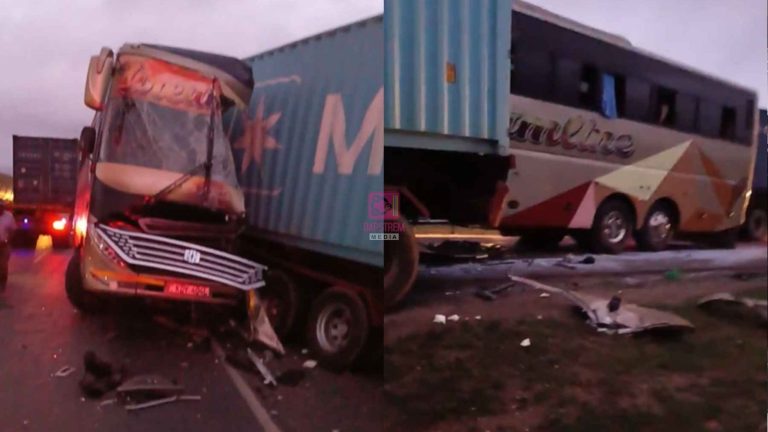
In submissions to Parliament, the commission said KIEMS kits acquired for the 2017 General Election would be more than 10 years old by the time of the 2027 polls, while manufacturer support for the hardware is no longer available.
The commission has also cited limitations involving network compatibility and newer technology requirements.
IEBC wants to replace 45,352 kits
IEBC planning documents indicate that the commission intends to replace 45,352 KIEMS kits that were procured for the 2017 election.
The commission has previously estimated that the replacement exercise would cost about Sh7 billion under its earlier budget proposal.
It plans to retain about 14,000 kits acquired in 2022, although the compatibility of old and newer equipment has also been a subject of discussion within Parliament.
The technology question has attracted scrutiny from lawmakers, who have demanded evidence showing which existing kits can no longer be used.
During parliamentary discussions in March, MPs questioned the justification for spending billions of shillings on new KIEMS equipment without first establishing, through an expert assessment, the condition and usability of the existing devices.
Parliamentary records show that lawmakers specifically asked IEBC to provide an expert report demonstrating why the older kits could not be deployed for the 2027 election.
The concern comes against a backdrop of repeated investment in election technology.
The KIEMS system was first introduced for the 2017 election, while additional technology was acquired ahead of the 2022 polls. Questions have subsequently been raised over the lifespan, maintenance, compatibility and value for money of election equipment.
Wider funding gap extends beyond technology
The financial pressure facing IEBC is not limited to KIEMS.
The PBO says voter registration and electoral operations require Sh18.4 billion, against an allocation of Sh12.8 billion.
The commission expects the number of registered voters to rise substantially before the 2027 election, increasing the logistical and technological demands placed on the electoral body.
The IEBC projects the voter register could grow from about 22.1 million voters to approximately 28.5 million, requiring the registration of an additional 6.4 million eligible voters.
The commission is also expanding voter registration for Kenyans living outside the country, with the exercise being extended to additional countries.
Another major pressure point is administration and support services.
The PBO says the IEBC requires Sh15.1 billion for general administration, planning and support services but has received only Sh5.5 billion.
The funds cover areas including training and remuneration of temporary election officials, transport and logistics, election planning and operations and legal expenses.
The Budget Office warned that inadequate allocations across these areas could affect the commission’s ability to execute its election preparations within the required timelines.
IEBC’s broader election budget
IEBC’s own budget projections have also highlighted the scale of the financial challenge.
In an earlier budget submission, the commission put its total resource requirement for the 2027 General Election at approximately Sh63.95 billion over three financial years.
The allocation identified in that document was about Sh41 billion, leaving a cumulative shortfall of approximately Sh22.94 billion.
IEBC warned that the funding gap could constrain activities ranging from voter education and legal reforms to election security, staff training, procurement of election materials and ICT systems.
The different figures reflect different budget stages and time periods: the Sh23.7 billion figure highlighted by the PBO relates specifically to the IEBC’s requirements and allocation for FY2026/27, while the roughly Sh22.9 billion figure in IEBC’s earlier document represents its projected shortfall across the three-year election budget framework.
Pending bills add to pressure
The commission is also carrying financial obligations from previous activities.
The PBO reported that IEBC had accumulated approximately Sh5.6 billion in pending bills as of June 30, 2025, largely arising from legal fees and election logistics.