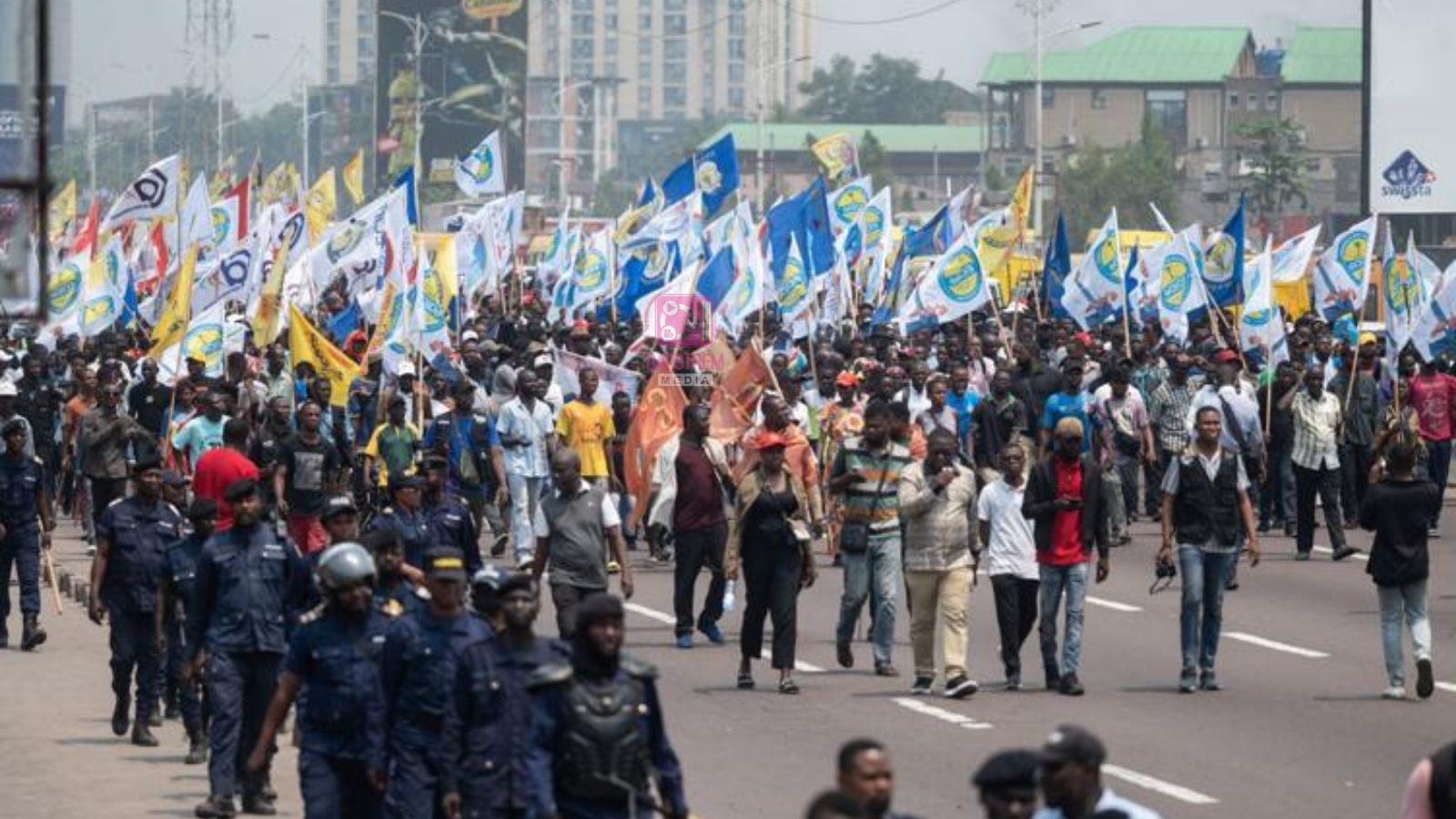
Hundreds of people took to the streets of Kinshasa, the capital of the Democratic Republic of Congo (DRC), on Tuesday, September 15, protesting proposed constitutional changes that critics fear could open the way for President Félix Tshisekedi to seek a third term.
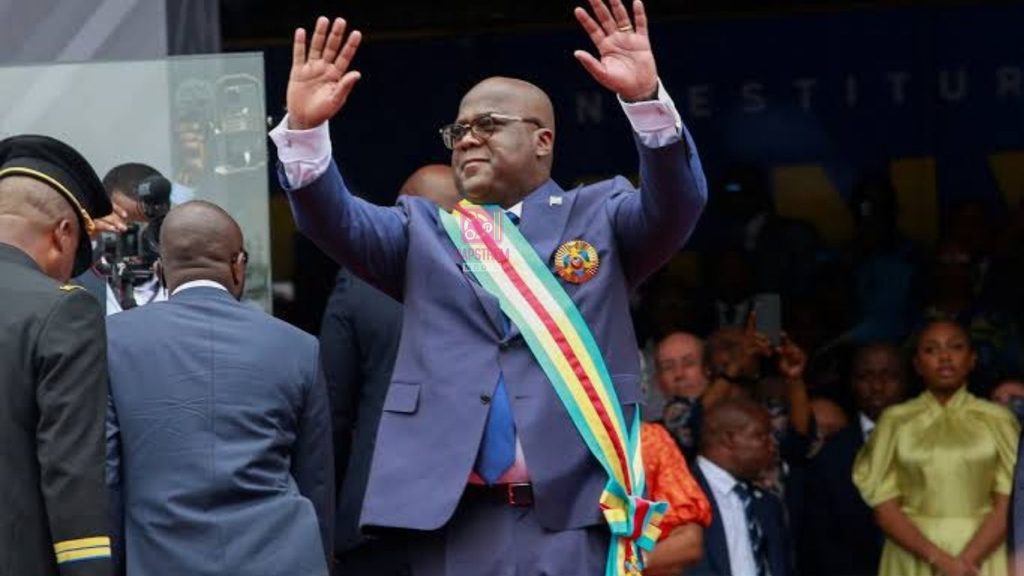
The demonstrations were organised by the opposition-led C64 coalition and were also reported in other cities, including Lubumbashi and Kindu. Police used tear gas and warning shots to disperse protesters in Kinshasa after clashes broke out between opposition demonstrators and supporters of the government.
The protests have added to an increasingly tense political debate in the DRC over the country’s constitution and the rules governing presidential terms.
Kinshasa Becomes Centre of Constitutional Debate
The proposed constitutional changes have become a major point of disagreement between the government and opposition groups.
Under the current DRC Constitution, the president is elected for a five-year term that can be renewed once. The existing framework therefore limits a president to two elected terms.
Tshisekedi has been president since 2019 and was re-elected in December 2023.
Opposition groups argue that the proposed constitutional reform could eventually remove or alter restrictions surrounding presidential term limits, potentially allowing Tshisekedi to seek another term.
However, the possibility of a third term remains dependent on the constitutional process and any eventual changes to the country’s laws. The current Constitution continues to provide for a two-term limit.
Protesters Face Police Response
The Kinshasa demonstration initially began peacefully, according to reports, but tensions increased when protesters encountered supporters of the government.
Police subsequently intervened and used tear gas to disperse the crowds. Reuters witnesses also reported warning shots being fired during the confrontation.
The Associated Press reported that several hundred people participated in the Kinshasa protest, while demonstrations were also held in other parts of the country despite restrictions on mass gatherings linked to the Ebola outbreak.
Opposition figures criticised the response by security forces.
Martin Fayulu, one of Tshisekedi’s political opponents, accused security forces of working with political groups linked to the government. The government, however, rejected the opposition’s characterisation and said protests must take place within the law.
Why Tshisekedi’s Third Term Is a Major Issue
The possibility of Tshisekedi seeking another term has become increasingly prominent in Congolese politics.
In May, Tshisekedi said he had not personally sought a third term but indicated that he would accept another mandate if the Congolese people wanted him to continue. Those remarks intensified opposition concerns about the constitutional reform process.
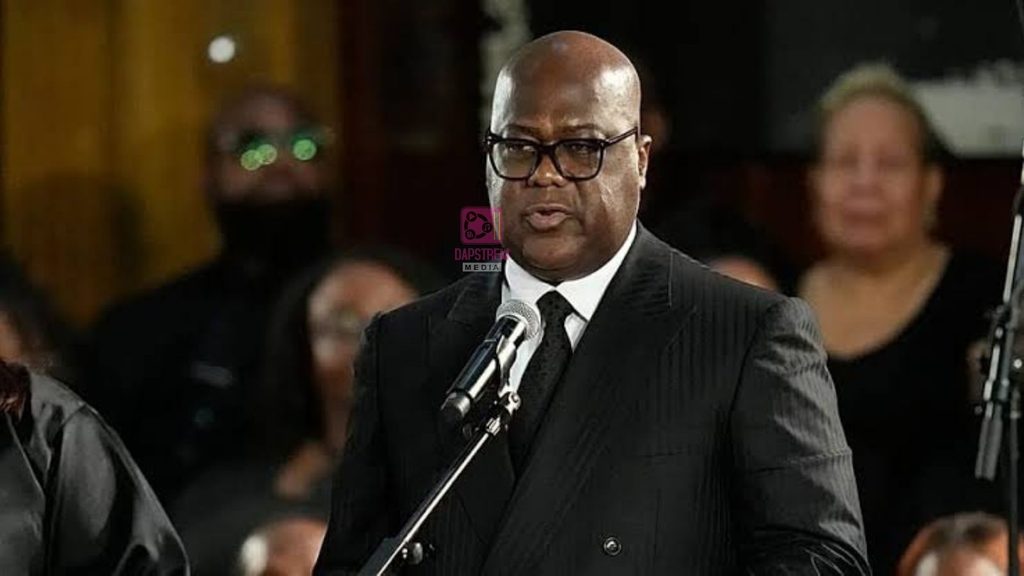
Tshisekedi’s supporters have argued that constitutional reform is necessary to address institutional issues within the country.
Opposition groups have taken a different position. They fear that changes to the Constitution could ultimately be used to alter presidential term limits and extend Tshisekedi’s time in office.
The disagreement has therefore become about more than a single proposed legal change. It has developed into a broader debate over presidential succession, constitutional safeguards and the country’s political future.
Kinshasa Protest Comes Amid Wider Challenges
The demonstrations are taking place as the DRC faces several other major challenges.
The country continues to deal with conflict in the eastern provinces, where the Rwanda-backed M23 armed group remains a major security concern. The political debate is also unfolding alongside a rapidly spreading Ebola outbreak, which has prompted restrictions on large public gatherings.
These challenges have made the political situation particularly sensitive.
The government has also promoted the idea of national dialogue as a way of addressing political tensions. Opposition groups, however, have questioned the purpose and timing of the proposed dialogue.
Opposition Groups Maintain Pressure
The C64 coalition has emerged as a major platform for opposition to the proposed constitutional changes.
The coalition brought together opposition parties and called for nationwide demonstrations to show resistance to any reforms that could affect presidential term limits.
The September 15 protests demonstrate that the constitutional debate has moved beyond political institutions and into the streets.
While the government maintains that constitutional reform can be pursued through the country’s legal processes, opposition groups remain concerned about the potential consequences for presidential succession.
What Happens Next?
The next stage of the dispute will depend on how the constitutional reform process develops.
Any changes would have to go through the relevant legal and political procedures before they could take effect. Until then, the current constitutional rules remain in force.
For Kinshasa, the latest protests highlight the depth of disagreement surrounding the proposed changes.
The demonstrations also show how closely the question of constitutional reform is tied to wider concerns about democracy, presidential term limits and political stability in the DRC.
As the debate continues, attention will remain focused on President Tshisekedi, opposition leaders and the country’s institutions as they navigate one of the DRC’s most significant political disputes ahead of the next presidential election cycle.
URL: /kinshasa-protests-tshisekedi-constitutional-changes-third-term