
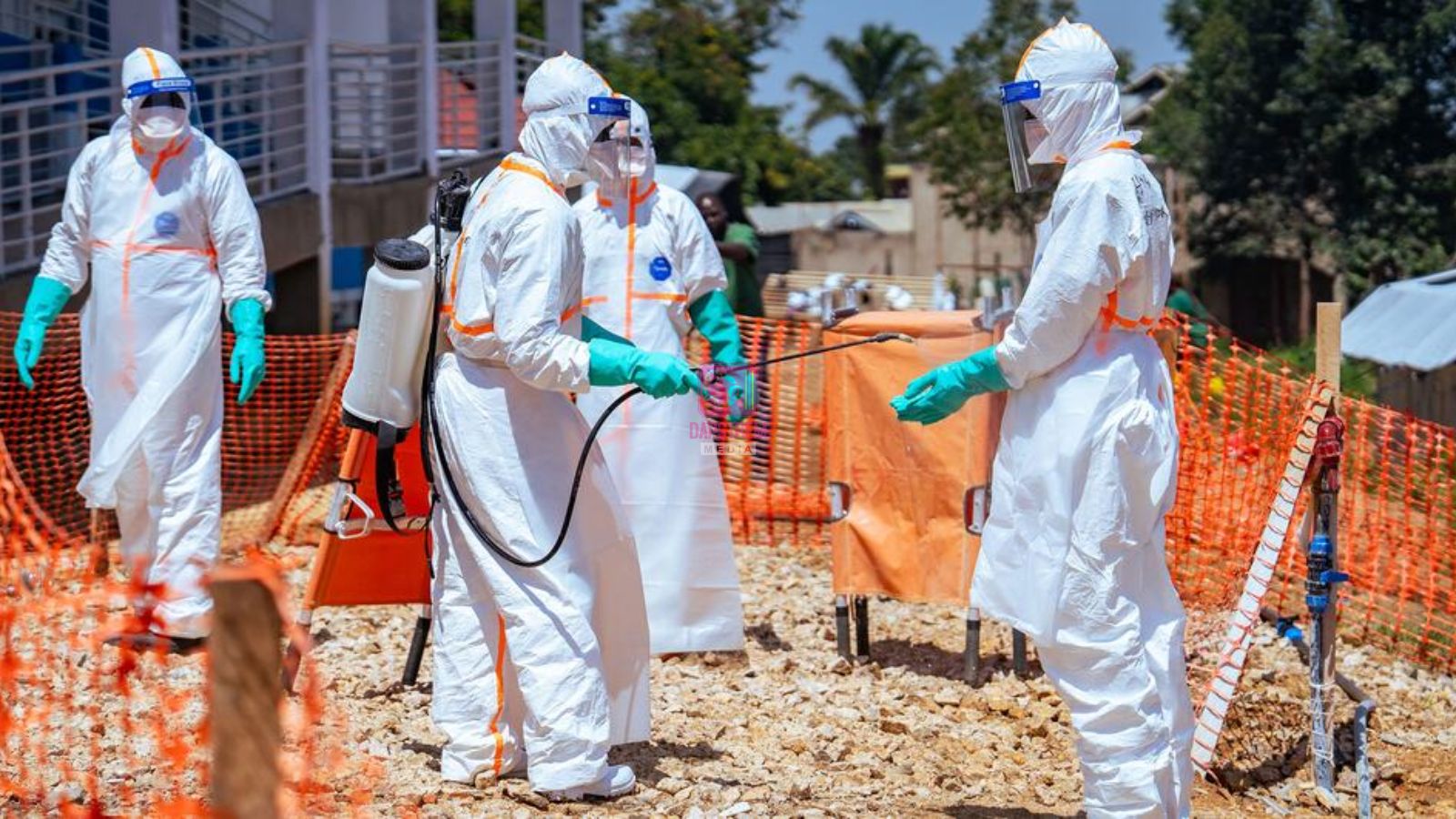
The Democratic Republic of Congo’s Ebola outbreak is spreading across a widening patchwork of communities, with most deaths occurring outside treatment centres and many victims never identified as known contacts, the World Health Organization has warned.
The Democratic Republic of Congo is facing an increasingly complex Ebola epidemic, with the World Health Organization warning that transmission patterns are diverging sharply between provinces and health zones while a high proportion of patients continue to die in their communities.
The latest WHO situation report, based on data through September 6, shows that the outbreak has reached 6,686 confirmed cases and 3,226 confirmed deaths, giving the epidemic a confirmed case-fatality ratio of about 48%. A further 1,563 patients have recovered.
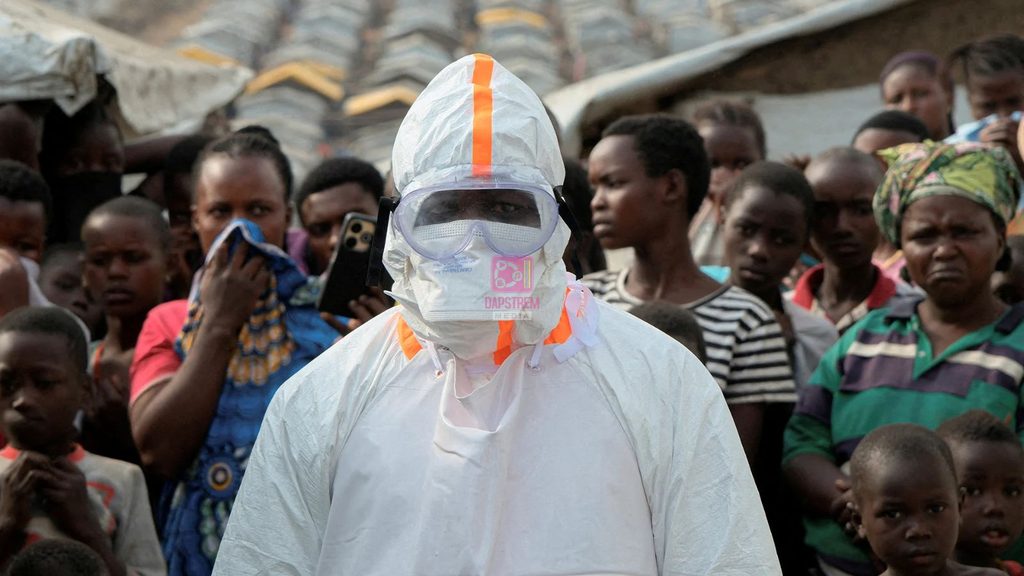
The WHO describes the epidemiological picture as “increasingly heterogeneous”, meaning the outbreak is no longer behaving in the same way everywhere. While Ituri remains the principal centre of transmission, significant spread continues in North Kivu and Haut-Uélé, while new areas are still reporting infections.
The development presents a major challenge for health authorities because strategies that work in one affected area may not necessarily be sufficient in another.
Community deaths raise alarm
One of the most worrying aspects of the outbreak is where people are dying.
WHO Director-General Tedros Adhanom Ghebreyesus said the majority of deaths were still occurring in communities rather than in Ebola treatment centres.
That matters because Ebola is highly contagious through contact with the bodily fluids of infected people, particularly after symptoms develop and around the time of death.
Deaths occurring outside medical facilities can therefore make it much harder for health teams to identify contacts, isolate exposed people and ensure safe burials.
The WHO has also warned that many victims are not being buried safely, creating additional opportunities for transmission.
Even more concerning, many of those dying were not previously listed as known contacts.
That suggests health teams are still missing transmission chains.
“Until every chain is found and broken, the epidemic will continue,” Tedros said in his September 2 briefing.
Ituri remains the epicentre
Ituri province continues to bear the largest burden.
According to WHO, approximately 85% of reported cases and 88% of deaths have occurred in Ituri. But the outbreak is no longer confined to the province.
Cases have now been reported across six provinces, including North Kivu, South Kivu, Haut-Uélé, Tshopo and Bas-Uélé. The latest WHO bulletin indicates that transmission remains substantial in North Kivu and Haut-Uélé, while additional areas continue to become affected.
The geographic expansion is particularly troubling in a country where insecurity, displacement and population movement can make disease surveillance extremely difficult.
The affected region also contains heavily travelled routes linked to trade, mining and cross-border movement.
WHO says the epidemic is unfolding amid a humanitarian crisis, insecurity and highly mobile populations, all of which complicate efforts to trace contacts and isolate suspected cases.
A virus with limited medical options
The outbreak is being caused by the Bundibugyo species of Ebola, a relatively rare Ebola virus species.
One of the biggest challenges is that there is currently no approved vaccine or specific treatment specifically targeting Bundibugyo virus, although clinical research and trials are under way.
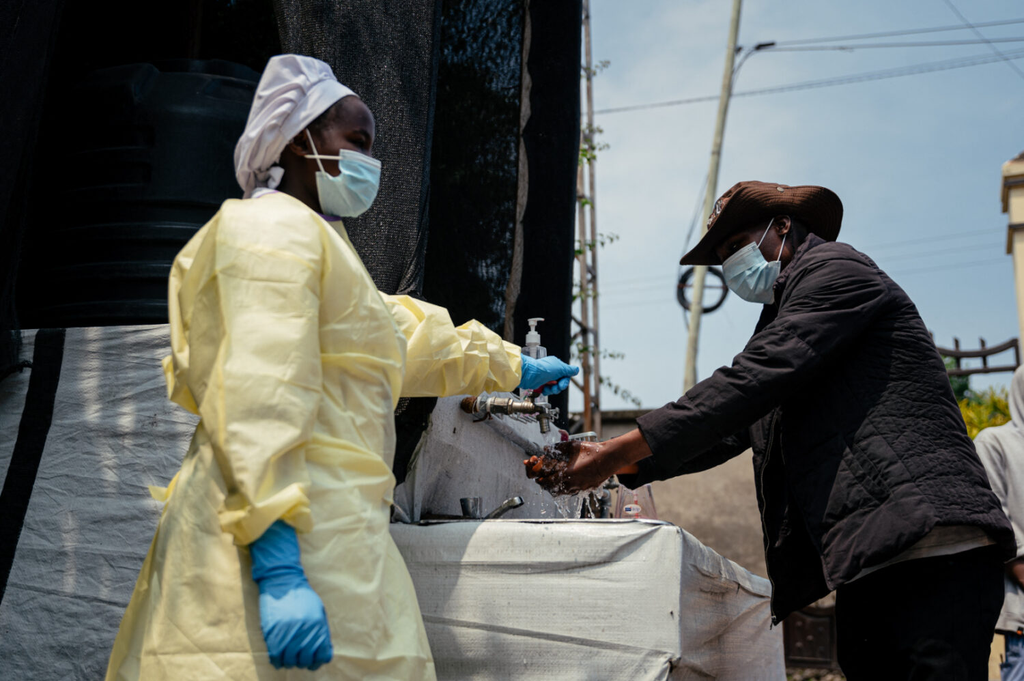
The outbreak has therefore placed enormous emphasis on traditional public-health measures: rapid diagnosis, isolation, supportive clinical care, contact tracing, infection prevention and control, safe burials and community engagement.
WHO says it has expanded testing and treatment capacity and deployed additional experts and supplies, while clinical trials for vaccines and therapeutics continue.
Trust has become as important as treatment
Health officials are also confronting a social challenge.
Ebola control measures can conflict with traditional burial practices, particularly when families want to wash, touch or remain close to the bodies of loved ones.
Safe and dignified burials are essential because bodies of people who die from Ebola remain highly infectious.
But restrictions can create mistrust if communities feel excluded from decisions or believe health workers are preventing them from saying goodbye to relatives.
Recent reporting from affected areas has documented the intense pressure facing burial teams, including exhaustion, hostility from grieving families and attacks.
WHO has consequently stressed that community engagement must be at the heart of the response.
The agency says outbreaks of this nature cannot be controlled through medical interventions alone. Communities must trust health workers, report suspected cases and cooperate with contact tracing and safe-burial procedures.
Violence and funding add to the challenge
The outbreak is also unfolding in an area already affected by conflict and displacement. Insecurity has restricted access to some communities, making it harder for response teams to investigate cases and reach patients. At the same time, health workers are operating under severe pressure.
Recent reports have highlighted unpaid health workers, shortages and fatigue, with disruptions to frontline services threatening to undermine efforts to contain the epidemic.
WHO Director-General Tedros has called for the international response to be scaled up, warning that additional resources are urgently needed.
The organisation has estimated that about $1.3 billion is required to expand treatment capacity and sustain the wider response.
New technology joins the fight
As conventional surveillance struggles to keep pace with population movement, health authorities are also turning to technology.
WHO and the Swedish organisation Flowminder are using anonymised mobile-phone data to analyse population movements and identify locations that could be at greater risk of Ebola transmission.
The approach has helped officials examine travel patterns between affected areas and identify potential routes through major transport hubs.
The technology is particularly useful in a fast-moving epidemic because people can travel long distances before symptoms appear, potentially carrying the virus into areas where health authorities are not expecting it.
However, mobile-phone data does not capture everyone and cannot replace traditional disease surveillance.
A growing regional concern
The scale and speed of the outbreak have made it an international concern.
WHO has described the epidemic as the second-largest Ebola outbreak on record and the fastest-moving ever recorded, while the organisation continues to warn neighbouring countries about the possibility of further spread.
The latest figures underline the urgency. More than 6,600 confirmed cases and 3,200 confirmed deaths have now been recorded in the DRC, while transmission continues across multiple provinces.
The immediate priority is to find the infections that remain hidden in communities, trace their contacts and ensure patients receive care before the disease spreads further.
But the warning from WHO is clear: the outbreak cannot be controlled by hospitals alone.
The fight against Ebola is increasingly taking place in villages, homes, burial sites, transport corridors and communities where trust in the response may determine whether transmission is stopped or allowed to continue.
For the DRC, the next phase of the epidemic may depend not only on how many treatment beds are available, but on whether health teams can reach the people who have not yet been identified. And with thousands already dead, the margin for delay is becoming increasingly narrow.