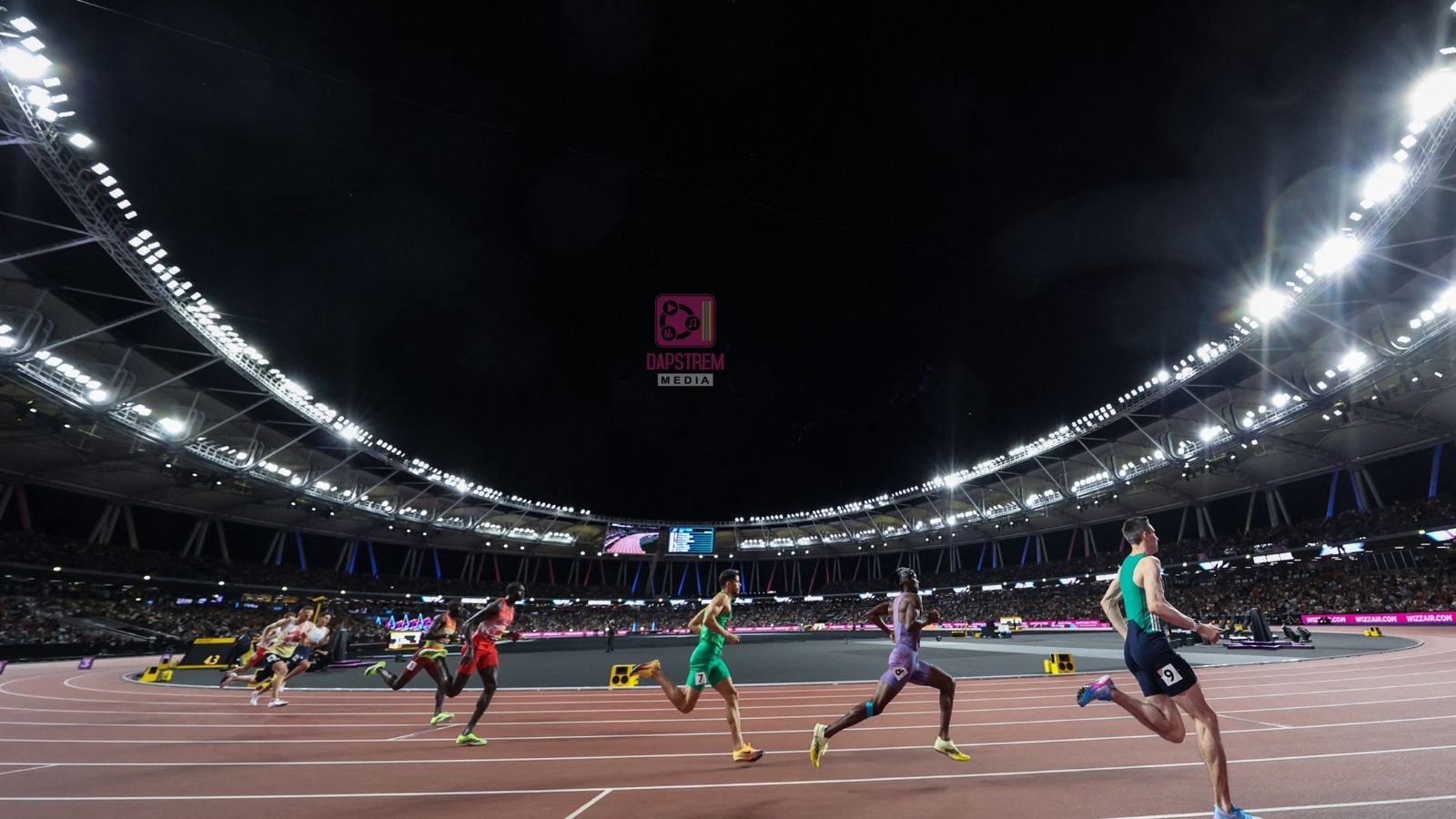
Nairobi’s selection as the host city for the 2029 World Athletics Championships has continued to generate debate in the United Kingdom, with some British commentators questioning whether Kenya was the right choice at this time.
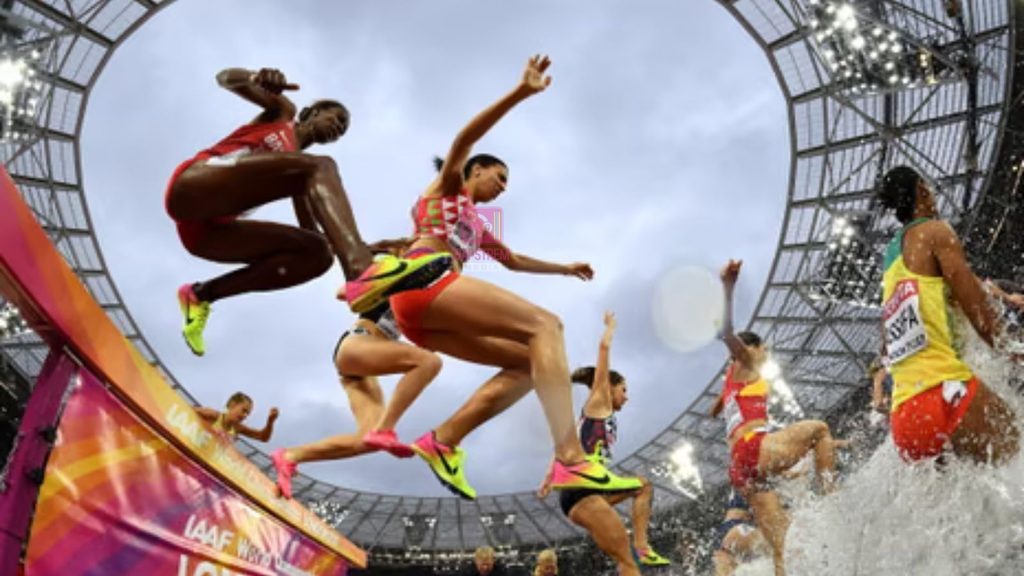
World Athletics announced on September 15 that Nairobi had been selected to host the championships, beating bids from London and Rome. Munich was selected to host the 2031 edition.
The decision is historic because Nairobi will become the first African city to host the World Athletics Championships. World Athletics President Sebastian Coe described the Kenyan bid as a compelling proposition and said taking the championships to Africa for the first time would be historic.
However, the decision has also brought renewed attention to Kenya’s record on anti-doping.
Nairobi Decision Draws UK Reaction
Among those to publicly criticise the decision was The Times athletics correspondent Matt Lawton.
In an article published following the announcement, Lawton argued that the decision to award the 2029 championships to Nairobi was premature because of Kenya’s continuing doping concerns.
Lawton referred to Kenya as a “nation tainted by doping”, while questioning whether the country should have been selected to stage athletics’ biggest global event at this point.
His criticism reflects a wider debate about Kenya’s long-running challenges with doping violations among elite athletes. According to reporting by The Times, hundreds of Kenyan athletes have been sanctioned since the Athletics Integrity Unit was established in 2017.
The issue has therefore become one of the major talking points surrounding Nairobi’s successful bid.
Kenya’s Doping Record Under Scrutiny
Kenya is one of the world’s most successful athletics nations, particularly in middle- and long-distance running. The country has produced Olympic and world champions including Faith Kipyegon, Eliud Kipchoge, Hellen Obiri and David Rudisha.
At the same time, Kenyan athletes have faced a number of doping cases over the years.
World Athletics acknowledged the country’s challenges but also pointed to efforts to strengthen anti-doping measures. The organisation said Kenya invests around US$5 million annually in testing and education, while recent reforms have been aimed at improving the country’s anti-doping system.
World Athletics’ decision therefore comes against a complicated background: Kenya has experienced significant doping problems, but it has also introduced measures intended to address those problems.
Kenya’s sporting authorities and supporters have also pushed back against descriptions that portray the entire country’s athletics system as defined by doping.
Nairobi Makes African Athletics History
Despite the criticism, the significance of Nairobi’s selection remains considerable.
The 2029 championships will be the first edition of the World Athletics Championships staged on African soil.
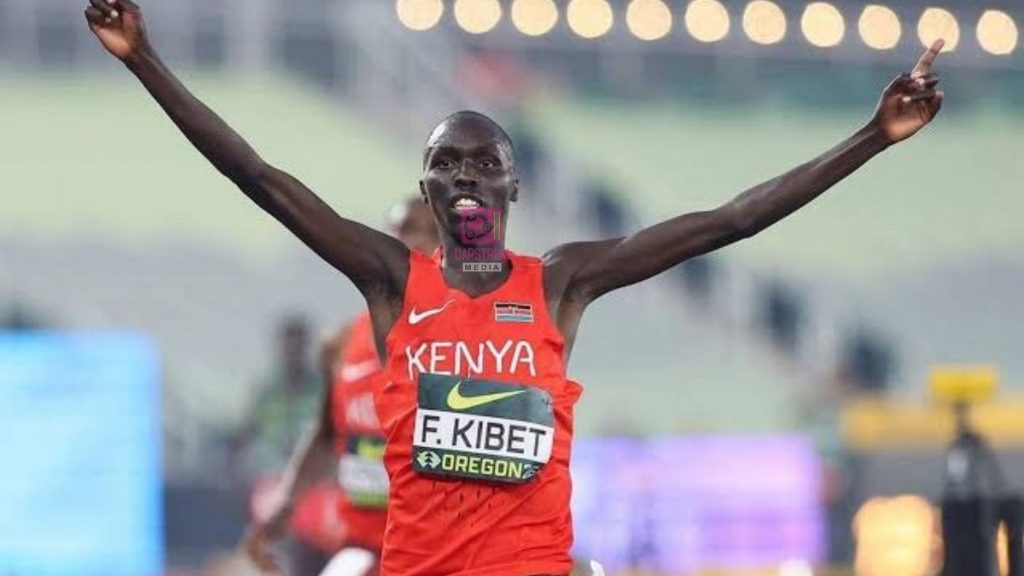
World Athletics said Nairobi’s bid was supported by its experience in hosting major international competitions, strong public interest in athletics and plans to upgrade Kasarani Stadium.
Nairobi previously hosted the World Athletics Under-18 Championships in 2017 and the World Athletics Under-20 Championships in 2021. The city has also hosted the Kip Keino Classic, which has become an important meeting on the World Athletics Continental Tour.
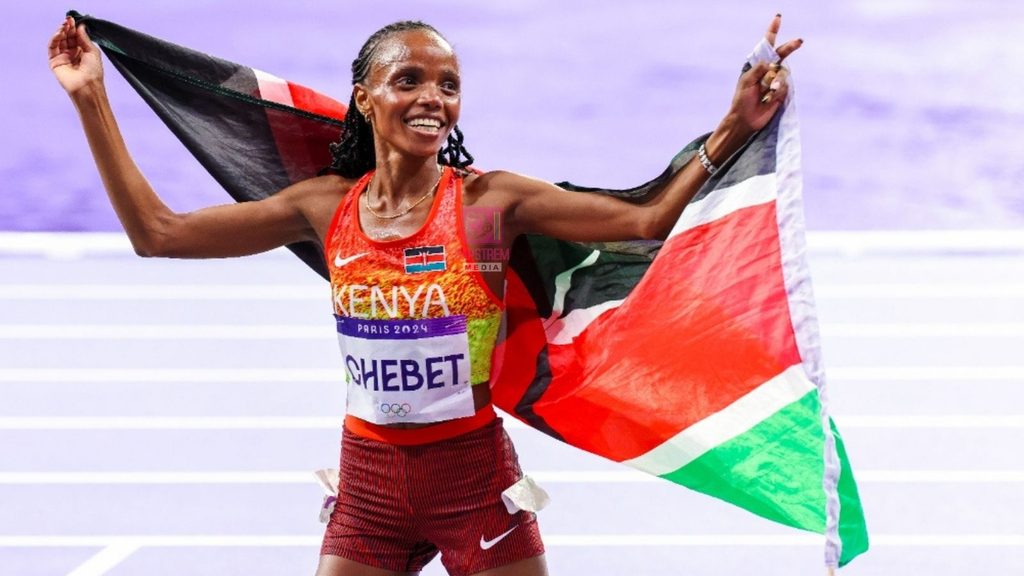
Kasarani Stadium is undergoing major renovation work ahead of the 2027 Africa Cup of Nations, providing an opportunity for the facility to be used for another major international event two years later.
London Misses Out to Nairobi
London had mounted a strong bid to return the World Athletics Championships to the city after successfully hosting the 2017 edition.
The British bid was supported by the UK Government, the Greater London Authority and UK Athletics. The bid organisers had also reached an agreement with West Ham over the use of London Stadium.
Following the decision, UK Athletics CEO Jack Buckner said the organisation was “deeply disappointed” that London had not been selected, while congratulating Nairobi and wishing the organisers success in 2029.
Rome was also unsuccessful, while Munich was awarded the 2031 championships.
Nairobi Receives Support Despite Criticism
While some UK commentators have questioned the timing of the decision, there has also been support for Nairobi’s selection.
Kenya’s High Commissioner to the UK, Maurice Makoloo, rejected claims that the country has a “massive doping problem,” describing the allegation as unjustified and incorrect. He defended Nairobi’s successful bid and argued that Kenya had earned the opportunity to host the global athletics event.

The contrasting reactions show that the Nairobi decision is likely to remain a major topic in international athletics discussions.
For Kenya, hosting the championships presents an opportunity to showcase its athletics culture and organisational capacity on the biggest stage. At the same time, the criticism from Britain places renewed attention on the country’s anti-doping efforts and the need to maintain confidence in the integrity of its athletics system.
As preparations begin, Nairobi will now have several years to get the venues, infrastructure and wider organisation ready for the historic 2029 championships.
The event is expected to attract the world’s leading athletes and will place Kenya at the centre of global athletics when the championships arrive in September 2029.