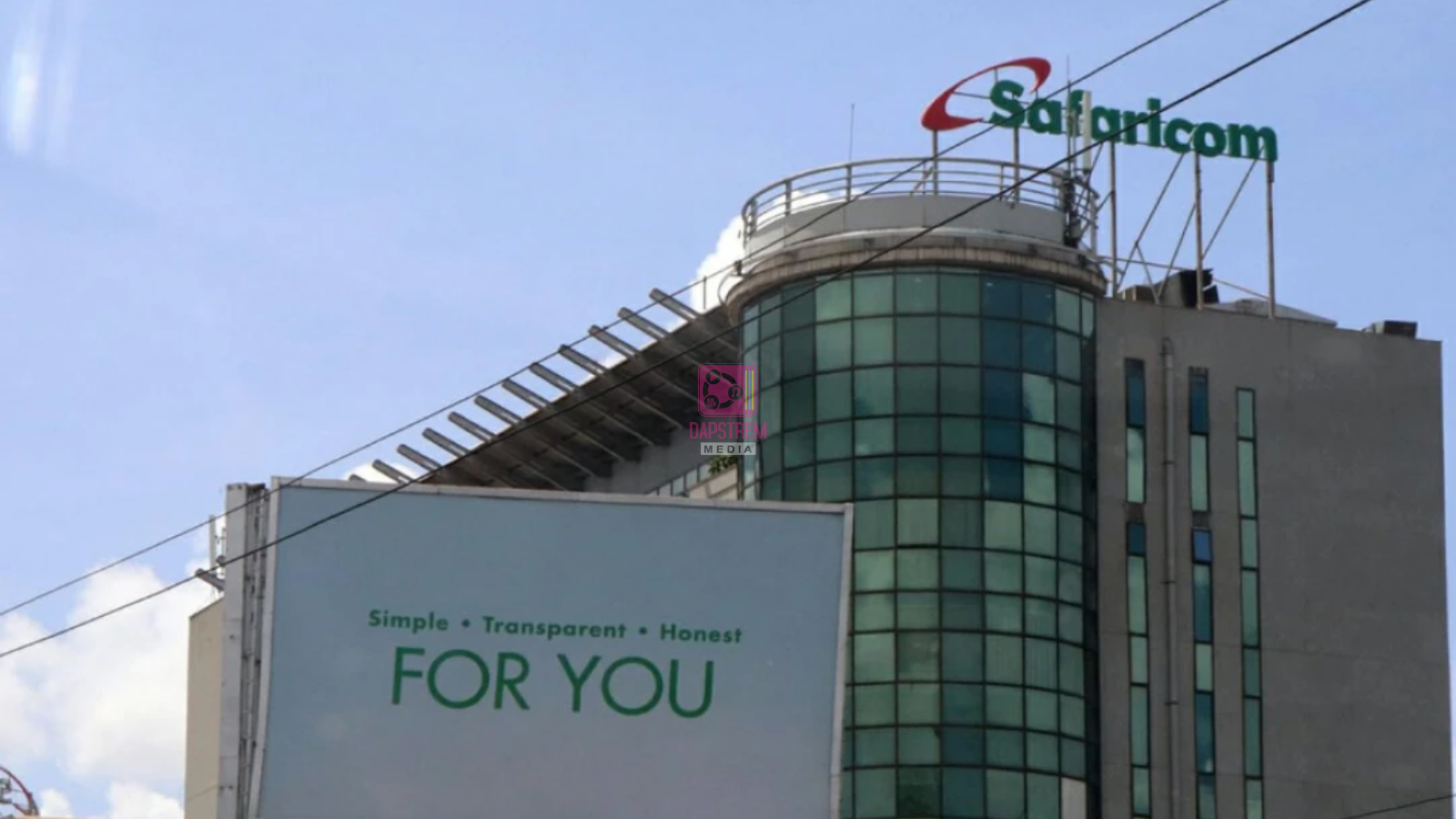
Safaricom says the government’s Sh204.3 billion sale of a 15 per cent stake in the telecommunications company to South Africa’s Vodacom was completed in June, even as a fresh High Court ruling has declared the transaction unconstitutional and ordered the shares returned to the State.
The conflicting positions have opened another chapter in one of Kenya’s most closely watched corporate and public-finance disputes, with the government now preparing to challenge the court decision and Vodacom also moving to appeal.
Safaricom said Wednesday that it had taken note of the High Court judgment delivered on September 15, but maintained that the transaction had already been completed on June 30 after the Court of Appeal lifted conservatory orders that had temporarily stopped the sale.
The company said all conditions required to complete the transaction had been fulfilled before the latest ruling.
“Safaricom is reviewing the judgment and its implications,” the company said, adding that the matter remained subject to legal processes and that further updates would be issued as appropriate.
The statement underscores the central legal question now facing the transaction: what happens to a multibillion-shilling share transfer that was completed before a court subsequently declared the transaction invalid?
High Court overturns the transaction
The dispute took a dramatic turn on Tuesday when a three-judge High Court bench ruled that the government’s decision to dispose of the 15 per cent Safaricom stake had violated the Constitution and various laws.
The court declared the transaction invalid, null and void and ordered that the shares be restored to the Government of Kenya on behalf of the public.
The judges found that the divestiture had been undertaken without what they considered meaningful public participation and that material information about the nature and effects of the transaction had been concealed or misrepresented.
The court went further, finding that what had been presented as a partial divestiture amounted, in its assessment, to a merger, acquisition and takeover that gave Vodacom effective majority control of Safaricom.
The ruling also questioned the procurement of transaction advisory services involving KCB Investment Bank, finding that the process breached constitutional and public procurement requirements.
The judges consequently quashed approvals and decisions connected to the transaction, including the parliamentary approval contained in Session Paper No. 3 of 2025.
A transaction worth Sh204.3 billion
The government had agreed to sell six billion Safaricom shares, representing 15 per cent of the company, to Vodacom at Sh34 per share.
The share sale was valued at approximately Sh204.3 billion. An additional advance dividend of about Sh40.2 billion had been factored into the broader transaction, taking the expected proceeds to roughly Sh244.5 billion.
The divestiture was part of the government’s broader plan to raise funds through the partial sale of State holdings in commercial enterprises.
For the Treasury, the transaction represented a significant source of revenue.
For Vodacom, the acquisition increased its economic interest in Kenya’s largest telecommunications company.
For the State, however, it meant reducing its direct ownership of Safaricom from 35 per cent to 20 per cent.
That arrangement is now under renewed judicial scrutiny.
The Court of Appeal had cleared the way
The latest ruling follows an earlier legal battle in which the High Court had temporarily stopped the sale.
In June, the Court of Appeal lifted the conservatory orders that had frozen the transaction.
The appellate court said the government’s application met the legal threshold for a stay and that public-interest considerations supported lifting the suspension. Importantly, however, that decision did not constitute a final determination that the underlying transaction was lawful.
With the orders lifted, the transaction proceeded and was subsequently completed on June 30, according to Safaricom and other parties to the deal.
That sequence is now central to the government’s defence of the transaction.
Safaricom’s position is that the sale was legally completed before the September 15 judgment.
The High Court, meanwhile, has ordered the shares restored to the State.
The result is a legal conflict over the consequences of the judgment and how the transaction should be unwound, if the ruling ultimately survives appeal.
Treasury prepares to fight back
Treasury Cabinet Secretary John Mbadi said Wednesday that the government would appeal the High Court decision.
The planned appeal means the dispute is unlikely to end with Tuesday’s judgment.
The government had previously defended the divestiture, pointing to parliamentary approval and the processes undertaken before the sale.
According to the government’s position, Parliament approved the transaction in March after considering a joint report from its relevant committees and after public participation processes.
The court reached a different conclusion about the adequacy of that process.
It found that the constitutional requirements for meaningful public participation had not been satisfied and that the transaction involved material information that was not adequately disclosed.
The competing interpretations are likely to become central issues in the appeal.
Vodacom also challenges the ruling
The legal uncertainty is not limited to the Kenyan government.
Vodacom Group has also moved to challenge the High Court decision.
The South African telecommunications company said it would appeal the judgment at the Court of Appeal and seek orders suspending implementation of the decision while the appeal is heard.
That move could temporarily preserve the existing ownership structure while the courts consider the substantive questions arising from the High Court’s judgment.
It also means that the future of the 15 per cent stake could remain uncertain for some time.
Why the deal became controversial
The proposed sale attracted legal opposition almost from the outset.
Petitioners, including Tony Gachoka and Fredrick Ogola, challenged the transaction on constitutional and public-interest grounds.
Among the issues raised were public participation, transparency, the valuation of the shares and concerns about the consequences of increasing foreign control of Safaricom.

Earlier court filings also contained claims that the shares were being sold below what the petitioners considered their intrinsic value. Those were arguments advanced by the petitioners, rather than findings that had been established at that stage.
The High Court has now made substantive findings against the transaction, although those findings remain subject to the appeal process.
What happens to the money?
One of the most important practical questions is what happens to the Sh204.3 billion paid for the shares if the transaction is ultimately overturned.
The High Court ordered the 15 per cent stake to be restored to government ownership.
The judges also addressed the argument that reversing the transaction would be impossible, noting that the shares could be restored and that appropriate refunds could be made where necessary.
However, with both the government and Vodacom challenging the ruling, the final financial consequences will depend on what the appellate courts ultimately decide.
Until then, the ownership, treatment and value of the disputed stake remain tied to the ongoing legal process.
A dispute with consequences beyond Safaricom
The case has become larger than a disagreement over a share transaction.
At its heart are questions about how the Kenyan government disposes of public assets, the extent of public participation in major economic decisions, transparency in State transactions and the legal safeguards surrounding the sale of public property.
It also places Safaricom, one of Kenya’s most strategically important companies, at the centre of an unusual corporate-legal dispute.
Safaricom is a listed company with millions of shareholders and a critical role in Kenya’s telecommunications and mobile-money ecosystem.
Any change in its ownership structure therefore has implications beyond the parties directly involved in the transaction.
For now, the company says the sale was completed on June 30.
The High Court says the transaction was unlawful and has ordered the shares back to the State.
The government says it will appeal.
Vodacom says it will appeal.
The next stage will therefore move to the appellate courts, where the competing claims over the legality and consequences of the Sh204.3 billion transaction will be tested.
Until those proceedings are concluded, the fate of the government’s former 15 per cent Safaricom stake remains one of Kenya’s most consequential unresolved corporate and public-finance questions.