
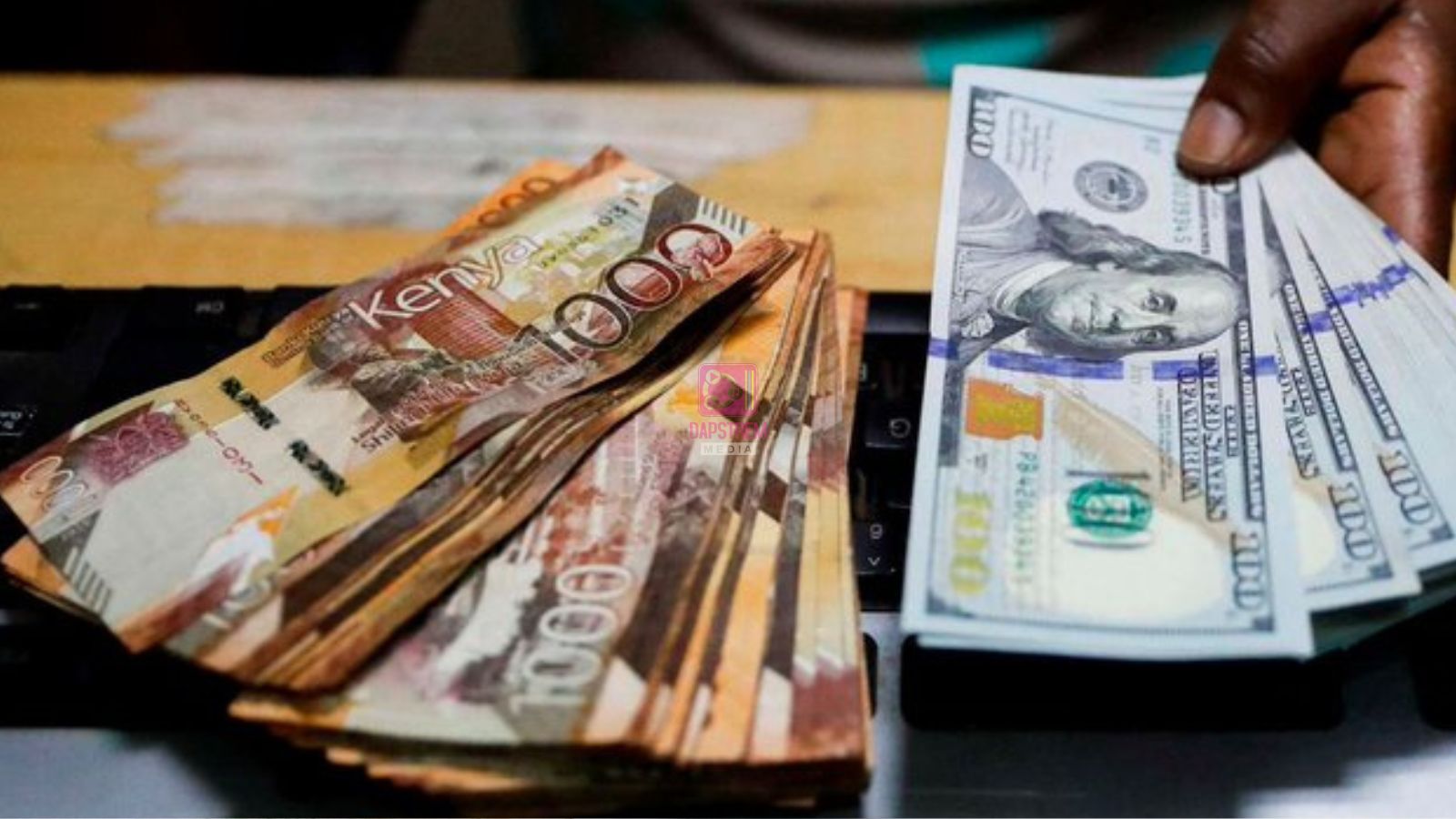
A stronger shilling could ease import costs and support businesses, but Kenyans earning dollars may receive fewer shillings when converting their income.
The Kenyan shilling continues to trade below the KSh130 mark against the US dollar, offering a welcome sign of stability for Kenya’s economy and businesses that depend on foreign currency.
The exchange rate stood at approximately KSh129.34 for one US dollar, according to recent market data. The movement comes as dollar inflows provide support for the local currency.
But what does a stronger Kenyan shilling actually mean for ordinary Kenyans?
💵 Why Is the Kenyan Shilling Strengthening?
The value of the shilling against the dollar is influenced by several factors, including the supply and demand for foreign currency, exports, remittances, investor activity and Kenya’s foreign-exchange reserves.
When more dollars enter the local market, pressure on the Kenyan shilling can ease. This can help the currency maintain a stronger position against the dollar.
The current level below KSh130 per dollar is therefore being closely watched by businesses, investors and consumers.
What Does a Stronger Shilling Mean for Kenya?
A relatively stronger shilling can have several benefits.
- Imported goods could become cheaper
Kenya imports large amounts of fuel, machinery, electronics, vehicles, medicines and other products.
When the shilling gains value against the dollar, importers may need fewer shillings to purchase the same amount of dollars.
If those savings are passed on to consumers, some imported products could eventually become more affordable.
However, prices don’t automatically fall whenever the exchange rate improves. Transport costs, taxes, global commodity prices and business expenses also affect the final price consumers pay.
- Fuel costs could benefit
International oil transactions are largely conducted in US dollars.
A stronger shilling can reduce the local-currency cost of purchasing petroleum products, although the price consumers pay at the pump also depends on global oil prices, taxes and other factors.
- Dollar-denominated debt becomes easier to manage
Companies and institutions with obligations denominated in US dollars can benefit when fewer shillings are required to meet those payments.
This can provide some relief to businesses with significant foreign-currency expenses.
💻 What About Kenyans Earning Dollars?
There is another side to a stronger shilling.
For freelancers, remote workers, exporters and other Kenyans earning US dollars, a stronger shilling means each dollar converts into fewer Kenyan shillings.
For example:
$1,000 × KSh129.34 = approximately KSh129,340
That means someone converting $1,000 would receive about KSh129,340 before fees and exchange-rate margins.
If the exchange rate falls further, the same $1,000 would translate into fewer shillings.
📈 Is KSh129/$ Good or Bad?
The answer depends on who you are.
Consumers and importers may benefit from a stronger shilling because foreign goods and dollar payments can become relatively cheaper.
Dollar earners and exporters, on the other hand, may receive fewer shillings when converting their income.
For the broader economy, however, currency stability is often more important than simply having a very strong or weak exchange rate.
Businesses can plan more effectively when exchange-rate movements are less volatile.
🔮 What Happens Next?
The key question is whether the Kenyan shilling can maintain its current stability.
Future movements will depend on factors such as:
Global strength of the US dollar
International oil prices
Kenya’s import demand
Remittances from Kenyans abroad
Foreign investment
Government borrowing and debt repayments
Foreign-exchange reserves
Domestic economic conditions
A prolonged period of stability could give businesses greater confidence when planning investments and managing foreign-currency expenses.
📰 The Bottom Line
The Kenyan shilling remaining below KSh130 against the US dollar is an important economic development, but it doesn’t mean Kenyans will immediately see cheaper prices everywhere.
The biggest benefit may come if the currency remains stable over time, allowing businesses and consumers to operate with greater certainty.
For Kenyans earning dollars, however, the story is more complicated: a stronger shilling means their foreign income converts into fewer Kenyan shillings.
As the USD/KES exchange rate continues to attract attention, consumers, businesses and investors will be watching closely to see whether the shilling can maintain its position below the KSh130 level.