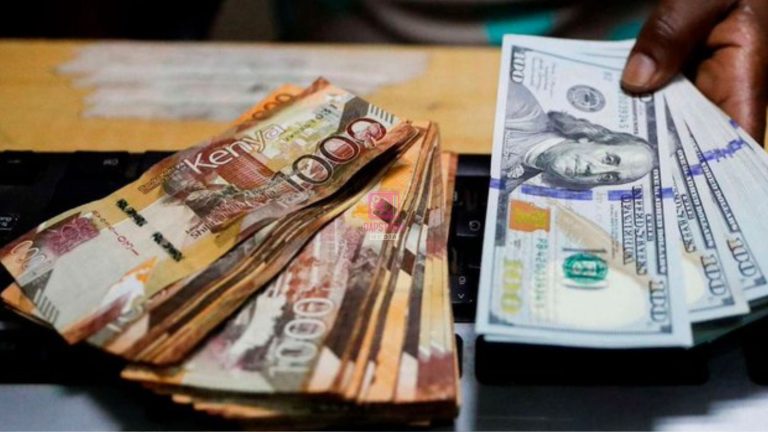

Central banks are increasing gold reserves to diversify assets, hedge against inflation, and strengthen financial stability amid rising global economic and geopolitical uncertainty.
Central banks around the world are holding more gold than they have at any point in the past five decades, marking a significant shift in how countries are managing their financial reserves. The latest surge in official gold holdings reflects growing concerns about global economic uncertainty, geopolitical tensions, inflationary pressures, and volatility in international financial markets.
The rise in central bank gold reserves is not merely a symbolic milestone. It represents a strategic decision by monetary authorities to strengthen financial stability and reduce exposure to risks associated with traditional reserve assets such as foreign currencies and government bonds. As the global economy continues to face a series of complex challenges, gold has once again emerged as one of the world’s most trusted stores of value.
For decades, central banks have maintained foreign exchange reserves consisting mainly of major international currencies such as the US dollar, the euro, the British pound, the Japanese yen, and government securities issued by advanced economies. These reserves help countries stabilize their currencies, finance imports, meet external debt obligations, and provide confidence in the financial system during periods of economic stress.
However, recent years have seen a noticeable shift in reserve management strategies. An increasing number of central banks have expanded their gold holdings, viewing the precious metal as an effective hedge against inflation, currency depreciation, financial market volatility, and geopolitical uncertainty.
Gold has traditionally been regarded as a safe-haven asset. Unlike paper currencies, it cannot be printed by governments or central banks, making it relatively resistant to inflation and monetary policy changes. During times of financial instability, investors and governments often increase their demand for gold because its value tends to remain comparatively stable when other assets experience significant fluctuations.
One of the major drivers behind the recent increase in gold reserves has been persistent global inflation. Following the economic disruptions caused by the COVID-19 pandemic, many countries experienced sharp increases in consumer prices as supply chain disruptions, rising energy costs, and strong consumer demand pushed inflation to levels not seen in decades.
To combat inflation, central banks across the world implemented aggressive interest rate increases. While higher interest rates helped slow inflation, they also created uncertainty in financial markets, prompting reserve managers to seek greater diversification. Gold became an increasingly attractive asset because it is often viewed as a reliable long-term store of wealth during periods of economic adjustment.
Geopolitical tensions have also played a significant role in driving gold purchases. Conflicts in various regions, growing competition among major global powers, trade disputes, and sanctions have highlighted the vulnerabilities associated with holding large portions of national reserves in foreign currencies. Many central banks have therefore sought to diversify their reserve portfolios by increasing allocations to physical gold.
The freezing of sovereign assets in certain international disputes has further encouraged countries to reconsider the composition of their reserves. Gold, being a tangible asset that can be stored domestically, offers an additional layer of financial security and independence that foreign currency reserves may not always provide.
Another important factor contributing to the record accumulation of gold is the desire for reserve diversification. Financial experts generally recommend avoiding excessive dependence on any single asset class. By holding a mix of currencies, government bonds, and precious metals, central banks can reduce overall risk and strengthen their ability to respond to economic shocks.
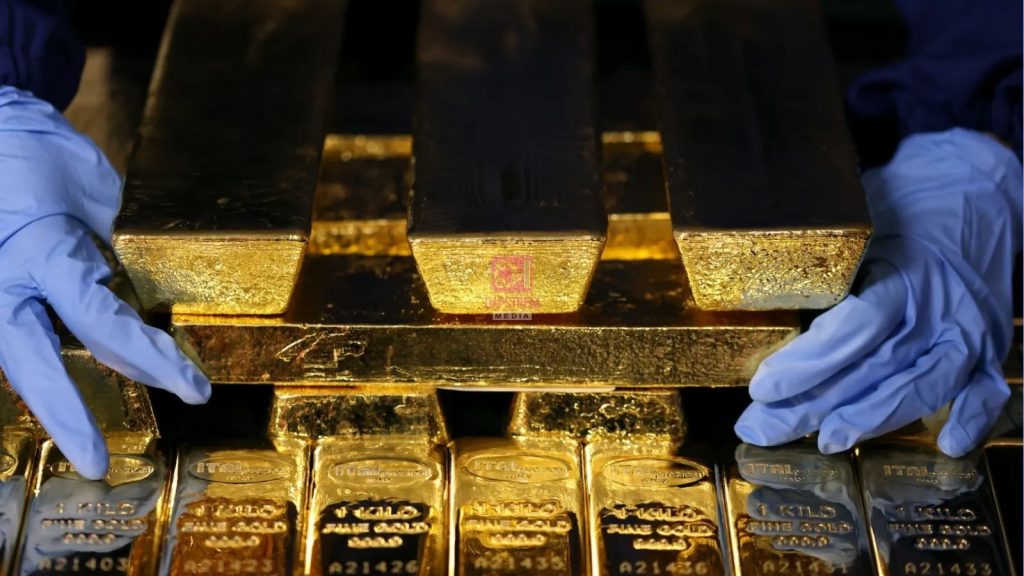
Emerging economies have been particularly active in increasing their gold reserves. Many developing countries have sought to reduce their dependence on the US dollar while strengthening confidence in their domestic financial systems. Gold provides an internationally recognized reserve asset that is not directly tied to the economic policies of any single nation.
The growing demand from central banks has also influenced global gold prices. As official institutions purchase larger quantities of the precious metal, market demand increases, contributing to higher prices. At the same time, private investors often interpret rising central bank purchases as a signal of confidence in gold’s long-term value, further supporting market demand.
For countries with substantial gold reserves, the appreciation in gold prices can significantly strengthen the value of their foreign reserve portfolios. This provides additional financial flexibility and enhances resilience during periods of economic uncertainty.
The renewed interest in gold does not mean that central banks are abandoning traditional reserve assets such as the US dollar. The dollar continues to dominate global trade, international finance, and reserve holdings. However, the increasing share of gold within reserve portfolios reflects a broader strategy of balancing risk rather than replacing existing reserve currencies altogether.
The shift also illustrates how central banking has evolved in response to changing global conditions. Reserve management today requires careful consideration of multiple risks, including inflation, interest rate movements, geopolitical developments, exchange rate fluctuations, and financial market instability. Gold has become an increasingly important component of that broader risk management strategy.
For developing economies, stronger reserve positions can provide greater confidence among investors and international lenders. Robust reserves help reassure markets that a country has sufficient resources to meet external obligations, stabilize its currency if necessary, and respond to unexpected economic shocks.
The increase in global gold reserves may also influence future monetary policy discussions. As central banks continue to diversify their holdings, analysts expect reserve management practices to remain an important topic within international financial institutions and economic forums.
For ordinary citizens, the record accumulation of gold by central banks serves as an indicator of broader trends affecting the global economy. While most people do not directly interact with central bank reserve policies, these decisions can influence exchange rates, inflation, borrowing costs, investment flows, and overall economic stability.
The development also highlights gold’s enduring role in the international financial system. Despite advances in digital finance, cryptocurrencies, and modern payment technologies, the precious metal continues to occupy a unique position as one of the world’s most trusted reserve assets.
Looking ahead, many economists believe central banks will continue purchasing gold if geopolitical tensions remain elevated and economic uncertainty persists. Inflation risks, trade disputes, global debt levels, and concerns about financial market volatility are all likely to shape future reserve management decisions.
At the same time, reserve diversification is expected to remain a central objective for monetary authorities worldwide. Gold’s combination of liquidity, historical reliability, and independence from individual governments makes it an attractive component of national reserve portfolios.
The record-high level of central bank gold holdings ultimately reflects a changing global economic landscape. Governments are adapting to new financial realities by strengthening their reserves and preparing for potential future shocks. While the precise pace of future gold purchases remains uncertain, the current trend demonstrates that confidence in the precious metal remains remarkably strong more than half a century after it first became a cornerstone of the modern international monetary system.
As global economic conditions continue to evolve, gold is likely to retain its status as one of the world’s most important financial assets. For central banks, the record accumulation is not simply about owning more bullion—it is about building resilience, safeguarding national wealth, and ensuring stability in an increasingly unpredictable global economy.