Edwin Sifuna and Godfrey Osotsi Dropped From Key Senate Oversight Committees
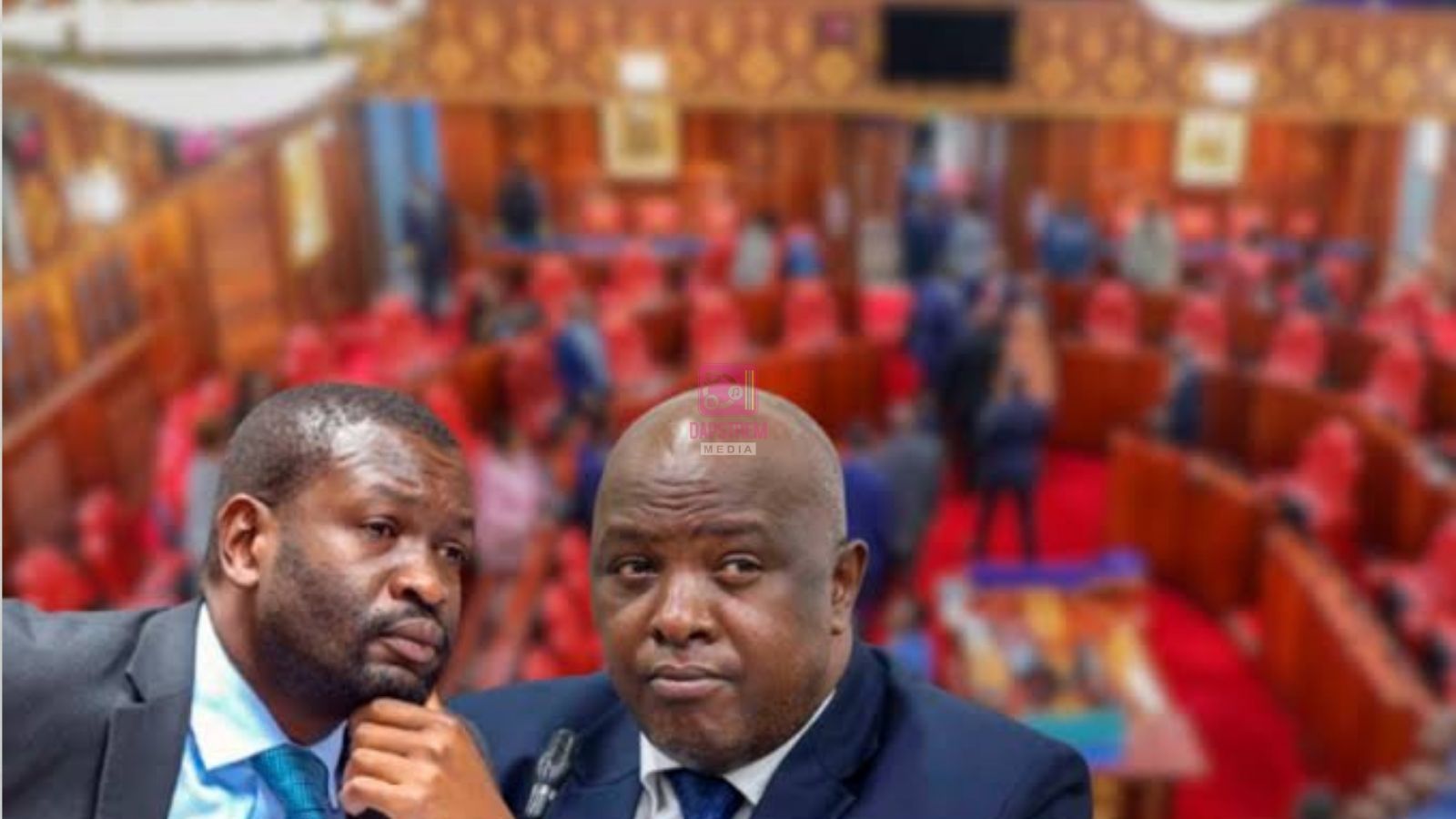
A significant shake-up has unfolded in the Senate after Nairobi Senator Edwin Sifuna and Vihiga Senator Godfrey Osotsi were removed from two of the House’s most influential oversight committees following changes initiated by the ODM Party’s minority leadership. The committee reshuffle has attracted considerable political attention, with analysts viewing the changes as a notable development within the opposition ranks and the broader parliamentary landscape.
Under the new committee assignments, Senator Edwin Sifuna has been moved from the County Public Accounts Committee (CPAC) to the Standing Committee on Agriculture, Livestock and Fisheries, while Senator Godfrey Osotsi has been transferred from the County Public Investments and Special Funds Committee (CPISFC) to the Standing Committee on National Cohesion, Equal Opportunity and Regional Integration.
The changes also usher in new leadership within the influential oversight committees. In the County Public Accounts Committee, Sifuna will be replaced by Kilifi Senator Stewart Madzayo together with Nominated Senator Joseph Githuku, while in the County Public Investments and Special Funds Committee, Osotsi’s place will be taken by Taita Taveta Senator Johnes Mwaruma and Nominated Senator Hezena Lemaletian.
The reshuffle immediately sparked debate within political circles because the affected committees are among the Senate’s most powerful oversight organs. Their work directly touches on accountability, financial management, and the use of billions of shillings allocated to county governments every financial year.
The County Public Accounts Committee plays a central role in examining reports from the Auditor-General relating to county governments. The committee scrutinizes expenditure by county administrations, questions governors and county officials on audit findings, and recommends measures aimed at improving financial accountability and prudent use of public resources.
Similarly, the County Public Investments and Special Funds Committee oversees county investments, public corporations, and special funds managed by county governments. Its responsibility includes examining how public investments are managed, ensuring taxpayers receive value for money, and identifying areas requiring reforms or corrective action.
Because of these responsibilities, membership in both committees is generally regarded as highly influential within the Senate. Senators serving in these committees often participate in high-profile investigations involving county governments, public expenditure, procurement processes, and financial accountability.
The decision to remove Senators Sifuna and Osotsi from these committees has therefore generated considerable political interest, particularly because both lawmakers have been prominent voices within the Senate.
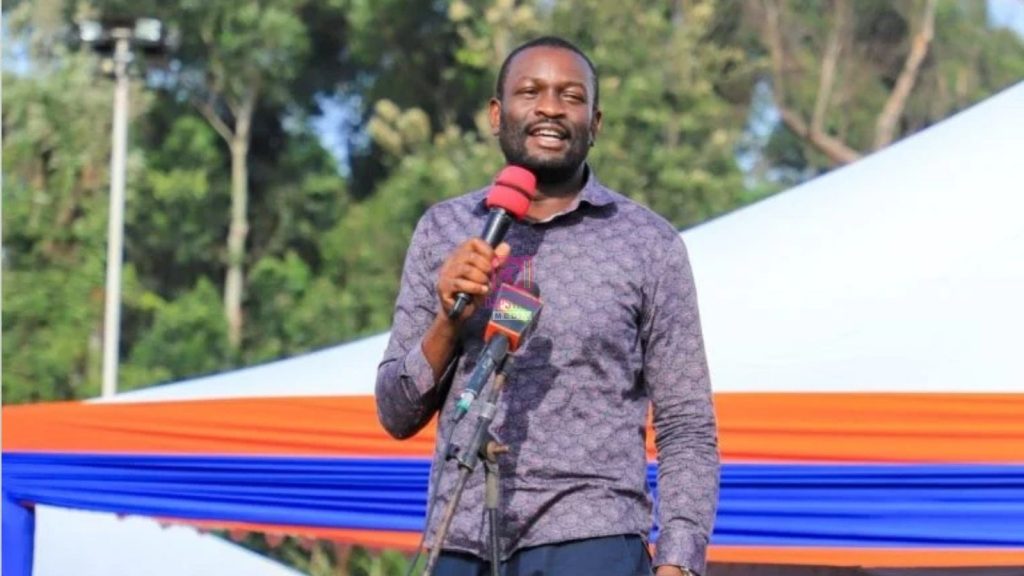
Edwin Sifuna, who also serves as the Secretary-General of the Orange Democratic Movement (ODM), has built a reputation as one of the country’s outspoken legislators. Since his election as Nairobi Senator, he has actively participated in national debates concerning governance, accountability, constitutional matters, devolution, and public finance.
As a member of the County Public Accounts Committee, Sifuna frequently took part in oversight proceedings involving county governments, where governors and senior county officials appeared before senators to respond to audit queries and explain the management of public resources.
His transfer to the Standing Committee on Agriculture, Livestock and Fisheries represents a significant change in parliamentary responsibilities. While the Agriculture Committee is also important, its primary focus differs substantially from financial oversight.
The committee handles legislation and policy concerning agriculture, livestock production, fisheries, food security, irrigation, agricultural research, rural development, and matters affecting millions of Kenyan farmers. Given agriculture’s enormous contribution to Kenya’s economy, the committee continues playing an important role in shaping policies aimed at increasing food production, improving agricultural value chains, and supporting farmers.
For Senator Sifuna, the new assignment provides an opportunity to contribute to another sector of national importance while continuing his legislative role in the Senate.
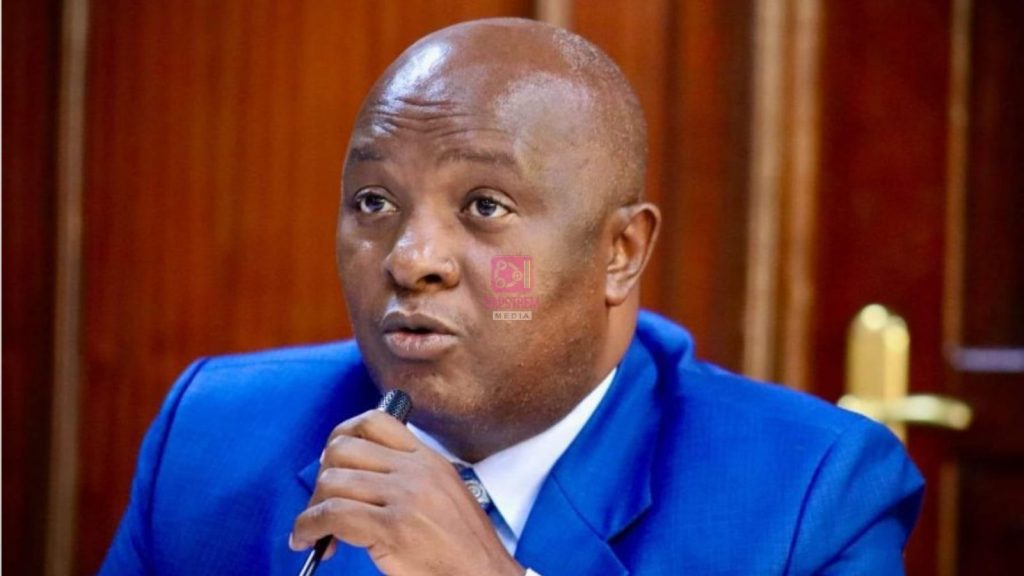
Meanwhile, Senator Godfrey Osotsi’s reassignment has equally attracted attention. The Vihiga Senator has been an active participant in parliamentary oversight, particularly through the County Public Investments and Special Funds Committee.
His transfer to the Standing Committee on National Cohesion, Equal Opportunity and Regional Integration shifts his focus toward matters involving national unity, social inclusion, equality, regional cooperation, integration, and policies aimed at strengthening peaceful coexistence among Kenya’s diverse communities.
Although generally viewed as less influential compared to the financial oversight committees, the National Cohesion Committee still addresses issues that remain fundamental to Kenya’s constitutional framework, including social justice, equality, protection of minority groups, and national integration.
The senators replacing Sifuna and Osotsi now inherit significant oversight responsibilities.
Kilifi Senator Stewart Madzayo brings extensive parliamentary experience to the County Public Accounts Committee. Having served in Parliament for many years, he is expected to contribute to the committee’s continued examination of county audit reports and financial accountability.
Nominated Senator Joseph Githuku also joins the committee, strengthening its membership as it continues reviewing financial management across Kenya’s forty-seven county governments.
Likewise, Taita Taveta Senator Johnes Mwaruma and Nominated Senator Hezena Lemaletian now assume responsibilities within the County Public Investments and Special Funds Committee, where they will participate in oversight of county investments and special public funds.
Committee reshuffles are common parliamentary processes undertaken periodically by political parties and parliamentary leadership. Political parties retain the authority to nominate or replace their representatives in parliamentary committees depending on internal decisions, strategic priorities, party balance, or legislative considerations.
Such changes may occur for various reasons, including redistribution of expertise, balancing regional representation, strengthening committee performance, or implementing broader political strategies within parliamentary caucuses.
While committee membership changes often appear procedural, they frequently attract public attention because committees remain central to Parliament’s oversight, legislative, and investigative functions.
Within Kenya’s parliamentary system, much of the detailed legislative work occurs in committees rather than during plenary sessions. Committees examine bills clause by clause, investigate matters of public concern, scrutinize government expenditure, receive public submissions, and prepare reports for consideration by the full House.
For this reason, assignments to influential committees are widely viewed as strategically important, both politically and institutionally.
Political observers have interpreted the latest ODM-initiated reshuffle in different ways. Some see it as an ordinary administrative adjustment aimed at reorganizing committee representation, while others believe it reflects broader political realignments within the opposition coalition as parties continue positioning themselves ahead of the 2027 General Election.
The timing of the reshuffle has also drawn interest because political activity continues intensifying across the country. Political parties have increasingly been reorganizing leadership structures, strengthening parliamentary teams, and preparing legislative strategies as the next election cycle gradually approaches.
ODM remains one of Kenya’s largest political parties and continues playing a central role in parliamentary affairs. Decisions made by its parliamentary leadership therefore carry significant influence within both the Senate and the National Assembly.
The committee changes are also likely to influence future oversight proceedings involving county governments. As new members settle into their roles, committees will continue examining Auditor-General reports, reviewing financial statements, and questioning county officials regarding expenditure of public funds.
County oversight remains one of the Senate’s most important constitutional mandates. Under the Constitution, the Senate protects the interests of counties while ensuring that resources allocated to devolved governments are managed transparently and efficiently.
Through committees such as the County Public Accounts Committee and the County Public Investments and Special Funds Committee, senators contribute significantly to promoting accountability, prudent financial management, and improved service delivery across the country’s forty-seven counties.
For residents of Nairobi and Vihiga counties, the reshuffle means their senators will now contribute to different policy areas while continuing to represent county interests within the Senate.
As Edwin Sifuna begins work in the Agriculture, Livestock and Fisheries Committee and Godfrey Osotsi takes up his new responsibilities in the National Cohesion, Equal Opportunity and Regional Integration Committee, both lawmakers remain influential voices within Parliament despite their reassignment.
Ultimately, the ODM-led committee reshuffle represents another important development in Kenya’s parliamentary politics. While committee assignments may change, the Senate’s constitutional responsibility to legislate, oversee county governments, and protect devolution remains unchanged.
The changes are expected to shape committee proceedings in the months ahead while contributing to the evolving political dynamics within Parliament as Kenya steadily moves toward the 2027 General Election. Whether viewed as a routine parliamentary reorganization or a politically significant realignment, the reshuffle underscores the strategic importance of committee membership in influencing legislative priorities, oversight functions, and national governance.