
France Social Media Ban Makes History in Europe
The decision makes France the first European Union country to pass legislation introducing such strict nationwide restrictions on children’s use of social media.
If the law receives final approval from the Constitutional Council, it will significantly change how young people interact with platforms such as Instagram, TikTok, Snapchat, Facebook and X.
Supporters say the law will improve child safety online.
Critics, however, continue raising concerns about privacy, digital rights and how the rules will be enforced.
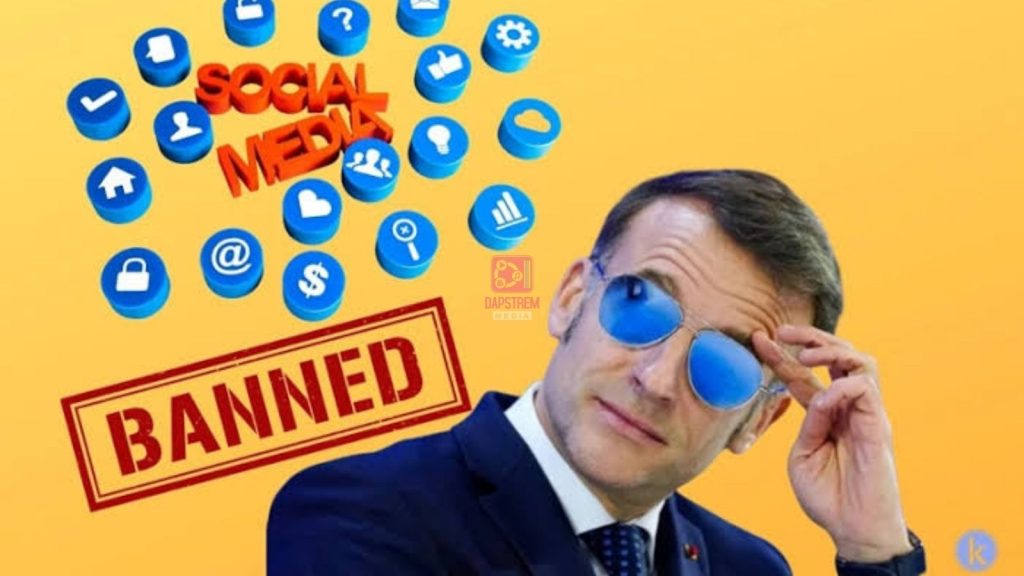
France Social Media Ban Requires Age Verification
One of the biggest features of the France Social Media Ban is the introduction of mandatory age verification.
Under the new law, every user creating a new social media account will be required to prove their age before accessing the platform.
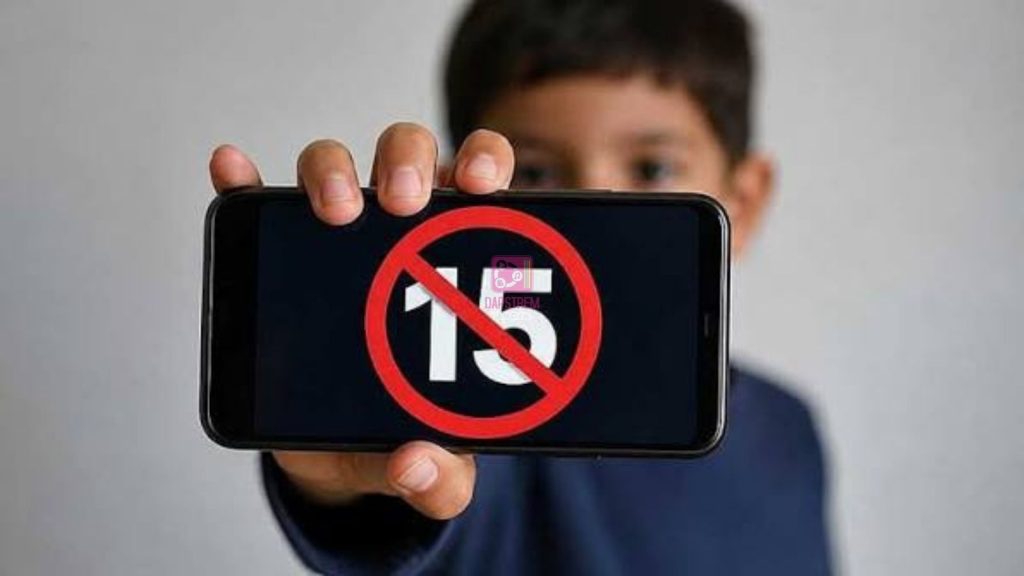
Beginning in September, children below the age of 15 will no longer be allowed to create new accounts.
Existing accounts belonging to children under 15 are expected to be closed from January 2027, provided the Constitutional Council gives its final approval.
Technology companies will therefore be expected to strengthen their identity verification systems.
The move could influence how social media platforms operate not only in France but across Europe.
France Social Media Ban Aims to Protect Children
According to French lawmakers, the France Social Media Ban is primarily designed to protect children from the growing risks associated with excessive social media use.
Governments around the world have increasingly expressed concern over cyberbullying, online harassment, harmful content, addiction to digital platforms and mental health challenges affecting young users.
Children are spending more hours online than ever before.
Many experts argue that stronger safeguards are needed.
French legislators believe restricting access for younger children could reduce exposure to inappropriate content while encouraging healthier digital habits.
The law represents one of the strongest child online protection measures introduced in Europe.
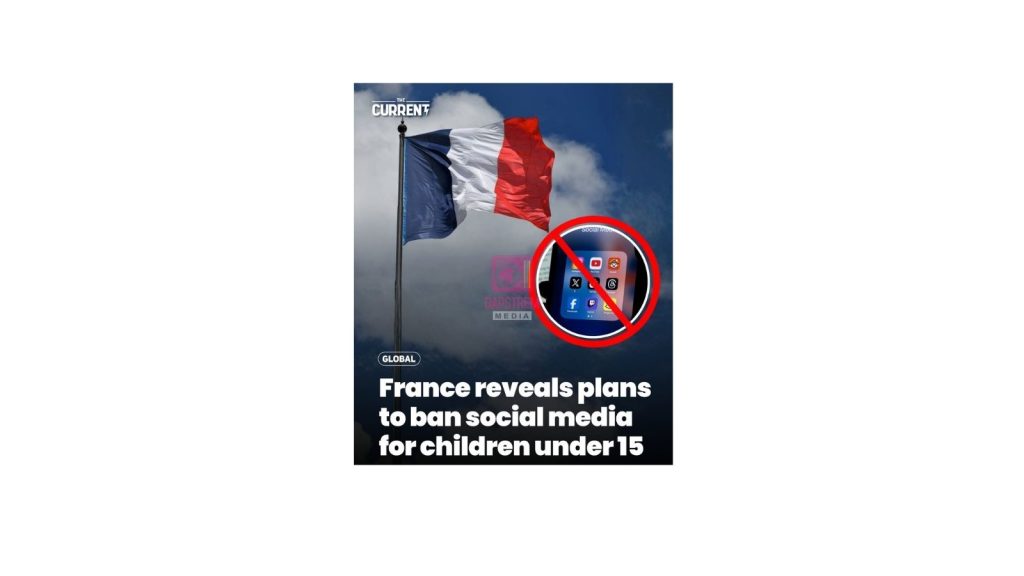
France Social Media Ban Could Influence Other Countries
The France Social Media Ban is already attracting international attention.
Several governments have been discussing stricter regulations on children’s internet use.
France’s decision may encourage other European countries to consider similar legislation.
Outside Europe, nations such as Australia and some U.S. states have also debated age verification laws and stronger protections for minors online.
As digital technology continues evolving rapidly, governments face increasing pressure to balance innovation with child safety.
France’s decision could become a model for future legislation worldwide.
France Social Media Ban Presents Challenges for Technology Companies
Technology companies are now likely to face major operational changes because of the France Social Media Ban.
Platforms will need reliable systems capable of verifying users’ ages while protecting personal information.
This raises important questions about privacy.
How should age verification work?

What documents should users provide?
How can children’s personal data remain secure?
Technology firms will now need to work closely with regulators to ensure compliance while maintaining user trust.
The coming months will determine how successfully these systems are implemented.
France Social Media Ban Sparks Mixed Public Reactions
The France Social Media Ban has generated strong reactions from parents, teachers, child protection organisations and digital rights advocates.
Many parents welcomed the decision.
They believe children are spending excessive amounts of time online and that stronger regulation is necessary.
Others worry the restrictions may push teenagers toward less regulated online spaces.
Some digital rights organisations have also questioned whether mandatory age verification could affect user privacy.
Despite differing opinions, almost everyone agrees that protecting children online has become an increasingly urgent issue.
The debate now focuses on how best to achieve that goal.
France Social Media Ban Highlights a Global Digital Shift
The France Social Media Ban reflects a wider international trend.
Governments are becoming more active in regulating digital platforms.
For years, technology companies largely determined their own rules.
That is changing.
Questions surrounding artificial intelligence, online misinformation, data privacy and child protection have pushed lawmakers to introduce stronger regulations.
France’s latest legislation demonstrates that protecting younger internet users is becoming a major political priority.
Experts believe similar debates will continue across the world in the coming years.
What This Means for Families
Parents in France may soon play an even bigger role in managing their children’s online activities.
The law encourages families to think more carefully about digital wellbeing, responsible internet use and the appropriate age for joining social media.
Schools may also strengthen digital literacy programmes to help young people understand online safety before they eventually gain access to social platforms.
The long-term effects of the law will become clearer after implementation begins.
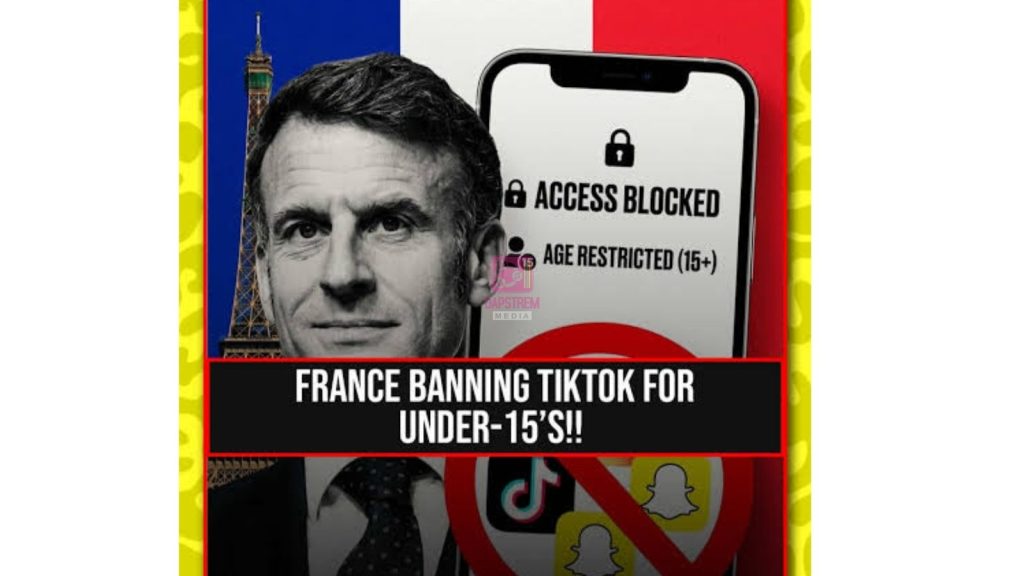
The France Social Media Ban represents one of the most significant digital policy decisions taken by a European Union country in recent years. Whether viewed as a bold child protection measure or a controversial internet regulation, the law has already sparked conversations around the world.
As governments continue searching for ways to create safer online spaces, France has taken the first major step within the European Union. The success or challenges of implementing this law could shape future digital policies across Europe and beyond. One thing is certain: the relationship between children, technology and social media is entering a new chapter, and many countries will be watching France closely.