
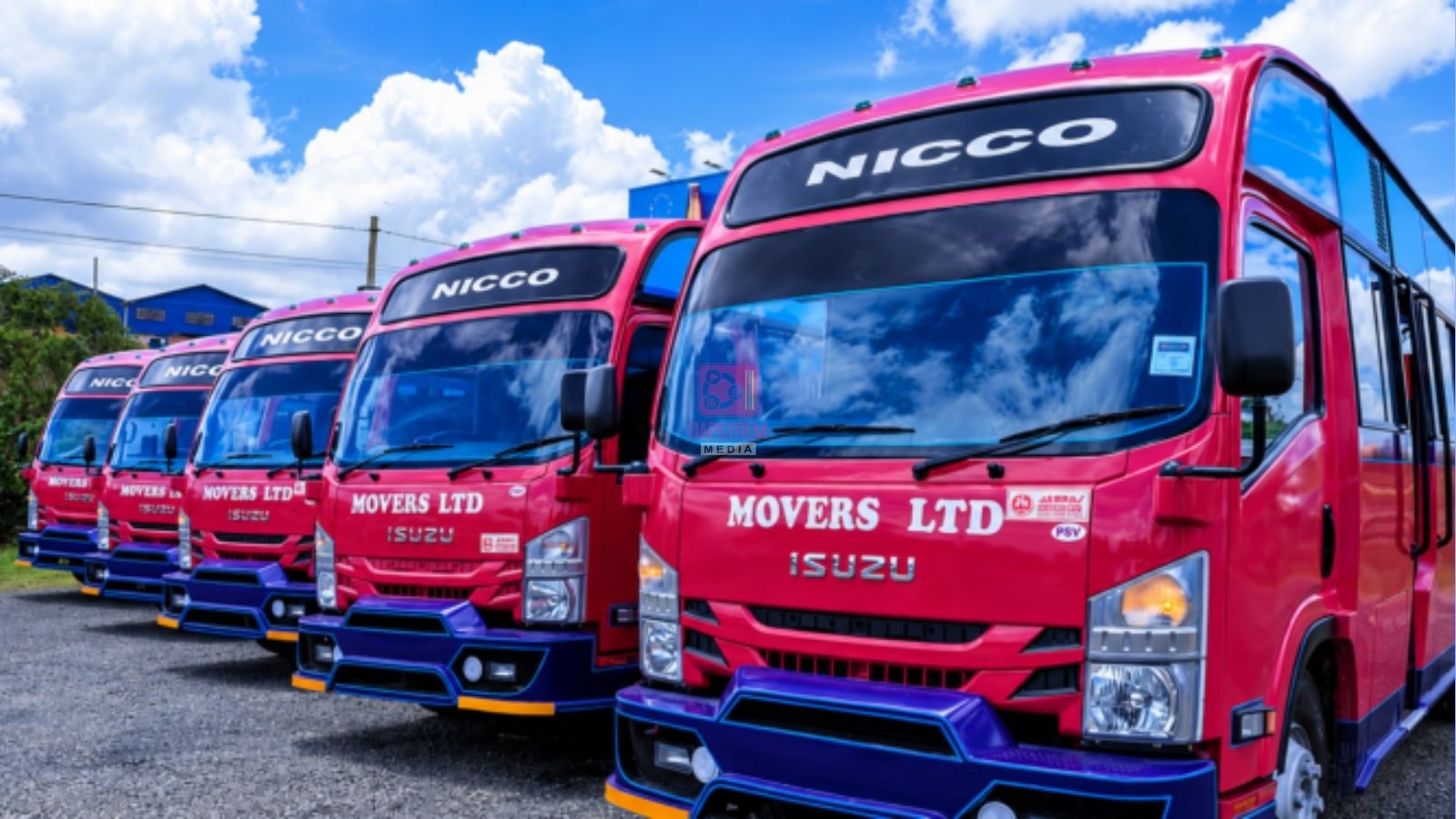
Tribunal temporarily lifts NTSA licence cancellation, allowing Nicco Movers to resume operations as legal appeal over the regulator’s decision proceeds.
Nicco Movers has been granted temporary relief after a tribunal issued interim orders suspending the National Transport and Safety Authority’s (NTSA) decision to cancel the company’s operating licence. The ruling allows the public service vehicle (PSV) operator to resume operations while the appeal challenging the regulator’s decision is heard and determined.
The tribunal’s intervention marks an important development in the ongoing legal dispute between the transport company and the country’s road transport regulator. While the case is yet to be fully determined, the interim orders ensure that Nicco Movers can continue providing transport services until the appeal is concluded, preventing the immediate enforcement of the licence cancellation.
The decision has drawn considerable attention within Kenya’s transport sector, where regulatory compliance and road safety have become increasingly prominent issues. It also highlights the role of judicial and quasi-judicial bodies in reviewing administrative decisions made by government agencies and ensuring that affected parties have an opportunity to be heard before final outcomes are implemented.
The dispute began after NTSA revoked Nicco Movers’ operating licence, effectively preventing the company from operating its fleet of public service vehicles. Such a decision carries significant consequences for any transport operator, affecting not only the company’s business operations but also its employees, passengers, suppliers, and the communities that depend on its services.
For a transport company, an operating licence is the legal authority that permits it to provide passenger transport services. Without it, buses and other public service vehicles cannot legally operate on Kenyan roads. Licence cancellations therefore have immediate financial and operational implications, often disrupting transport schedules and affecting thousands of commuters.
Following the regulator’s decision, Nicco Movers challenged the cancellation before the relevant tribunal, arguing that the matter deserved judicial review and that the company should be allowed to continue operating while its appeal is considered. The tribunal has now agreed to grant temporary relief by suspending the implementation of NTSA’s decision until the case is fully heard.
The interim orders do not determine whether NTSA was right or wrong in cancelling the licence. Instead, they preserve the status quo by allowing the company to continue operating until the tribunal reaches a final decision based on the evidence and legal arguments presented by both sides.
Legal experts note that interim orders are an important feature of administrative justice. They are intended to prevent irreversible harm that could occur if an administrative decision is implemented before an appeal is heard. In commercial disputes such as this, temporary relief may protect businesses from significant losses while ensuring that the appeal process remains meaningful.
The case also underscores the balance that regulators must strike between enforcing safety standards and respecting due process. NTSA has the statutory responsibility of promoting road safety, regulating public transport operators, and ensuring compliance with licensing requirements. When the authority identifies violations of transport regulations, it has powers to take enforcement action, including suspending or cancelling licences where necessary.

At the same time, transport operators have the legal right to challenge regulatory decisions they believe are unfair, unreasonable, or procedurally flawed. Kenya’s legal framework provides mechanisms through tribunals and courts to review such decisions and ensure that administrative actions comply with the law.
Road safety has remained a major concern in Kenya, with authorities intensifying enforcement efforts against traffic violations, reckless driving, vehicle non-compliance, and unsafe public transport operations. In recent months, NTSA has introduced several measures aimed at improving safety standards within the PSV sector, including stricter inspections, compliance audits, and enforcement campaigns targeting operators found to be violating transport regulations.
These initiatives have been welcomed by many road safety advocates, who argue that stronger enforcement is necessary to reduce accidents and protect passengers. However, operators have also emphasized the importance of fair regulatory processes, arguing that enforcement actions should be based on clear evidence and accompanied by opportunities for appeal.
The tribunal’s decision is therefore likely to be viewed as an affirmation of the principle that regulatory enforcement and procedural fairness must go hand in hand. While public safety remains paramount, businesses affected by regulatory action are entitled to have their grievances considered through independent legal processes.
For commuters who rely on Nicco Movers’ services, the interim orders bring immediate relief. The suspension of the licence cancellation means that routes previously served by the company can resume operations, helping reduce disruptions for passengers who depend on the buses for daily travel to work, school, and other destinations.
Employees of the company also stand to benefit from the ruling. Licence cancellations often place hundreds of jobs at risk, affecting drivers, conductors, mechanics, administrative staff, cleaners, security personnel, and other workers directly employed by transport operators. By allowing the company to continue operating, the tribunal’s orders may help preserve livelihoods while the legal process unfolds.
The transport industry will be watching the appeal closely because its outcome could have broader implications for regulatory practice within the PSV sector. The tribunal’s eventual ruling may clarify legal questions regarding licensing procedures, enforcement powers, compliance requirements, and the standards that regulators must meet before taking disciplinary action against operators.
Industry stakeholders have repeatedly called for closer collaboration between regulators and transport companies to promote compliance while minimizing unnecessary operational disruptions. Many believe that regular dialogue, transparent communication, and consistent enforcement can strengthen both road safety and public confidence in the transport system.
The case also highlights the growing importance of accountability within public administration. Independent tribunals and courts serve as important oversight institutions by reviewing decisions made by regulatory agencies and ensuring that public power is exercised lawfully, fairly, and reasonably.
As the appeal proceeds, both NTSA and Nicco Movers will have an opportunity to present their respective cases before the tribunal. The regulator is expected to justify the reasons for cancelling the licence, while the company will seek to demonstrate why the decision should be overturned or modified.
The tribunal will ultimately determine whether the cancellation complied with applicable laws and whether the evidence supports the enforcement action taken by the regulator. Until then, the interim orders remain in force, allowing Nicco Movers to continue operating under its existing licence.
For now, the ruling represents a temporary victory for the transport company, but it does not resolve the underlying dispute. The final outcome will depend on the tribunal’s assessment of the evidence, legal arguments, and applicable regulatory framework.
As Kenya continues to strengthen road safety oversight while safeguarding the rights of regulated businesses, the Nicco Movers case serves as an important reminder that effective governance requires both firm enforcement and respect for due process. The balance between protecting public safety and ensuring fair administrative action remains essential to maintaining confidence in the country’s transport regulatory system.