

President Ruto orders prompt coffee payments as government moves to end months-long delays that have frustrated farmers for years.
Coffee farmers across Kenya could soon experience a major transformation in how they are paid for their produce following a directive by President William Ruto requiring that farmers receive payment within five days of delivering their coffee. The move is expected to end a long-standing challenge that has seen many farmers wait anywhere between one and six months before receiving money for their hard-earned harvest.
The directive represents one of the most significant reforms in Kenya’s coffee sector in recent years and is aimed at restoring confidence among growers, improving cash flow at the farm level, and revitalizing an industry that has for decades been considered one of the country’s most important agricultural exports.
For many coffee farmers, delayed payments have been a persistent source of frustration. After spending months tending their crops, purchasing farm inputs, hiring labor, and managing production costs, farmers have often been forced to wait for extended periods before receiving compensation for their deliveries. These delays have not only affected household incomes but have also disrupted farming operations and discouraged investment in coffee production.
President Ruto’s directive seeks to change this reality by ensuring that farmers receive their dues promptly. The five-day payment timeline is intended to create a more efficient and farmer-centered coffee value chain where producers are rewarded quickly for their efforts and can plan their finances with greater certainty.
The coffee industry remains a critical pillar of Kenya’s agricultural economy. For decades, Kenyan coffee has enjoyed a strong reputation in international markets due to its quality, unique flavor profile, and high standards of production. Thousands of small-scale farmers depend on coffee cultivation as a primary source of income, while many more benefit indirectly through employment and business opportunities generated by the sector.
Despite its importance, the industry has faced numerous challenges over the years. Fluctuating global coffee prices, rising production costs, aging coffee trees, climate-related risks, and inefficiencies within marketing and payment systems have all contributed to declining farmer morale and reduced productivity in some regions.
One of the most frequently cited complaints among farmers has been delayed payment. In many cases, growers delivered their coffee to cooperative societies or marketing agencies only to wait several months before receiving proceeds. During this period, farmers often struggled to meet household expenses, pay school fees, settle debts, or invest in the next planting season.
The delays created a cycle of financial uncertainty that weakened confidence in coffee farming as a viable economic activity. Some farmers abandoned coffee altogether, opting for alternative crops that offered quicker returns. Others reduced investment in their farms, leading to lower yields and declining quality.
The President’s latest directive is therefore being viewed as an effort to address one of the root causes of dissatisfaction within the sector. Faster payments are expected to improve liquidity for farmers and enable them to manage their agricultural activities more effectively. Immediate access to earnings means farmers can purchase fertilizers, hire labor, maintain their farms, and prepare for future harvests without relying heavily on loans or credit.
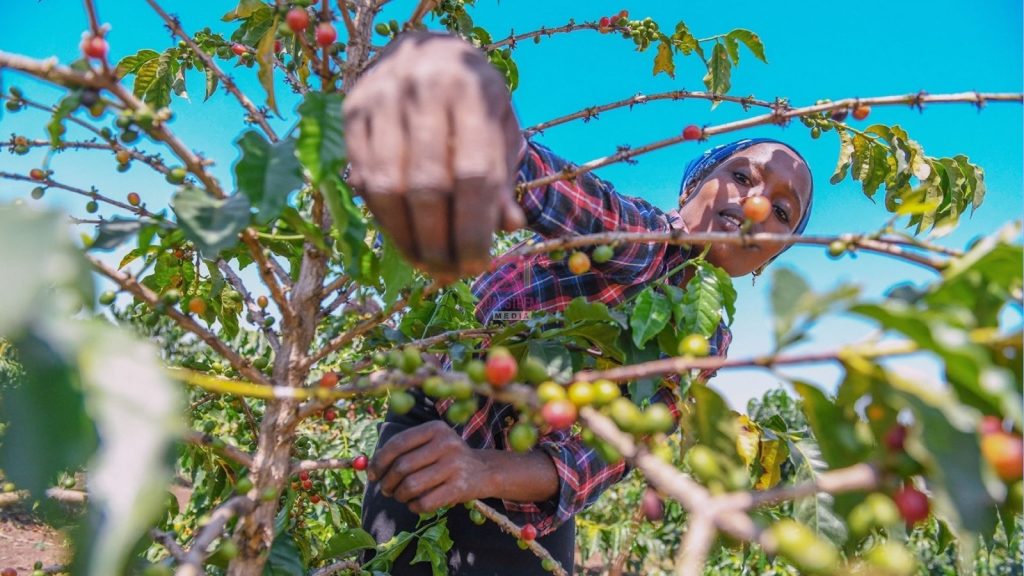
Agricultural experts argue that timely payments can have a significant impact on productivity. When farmers are assured of receiving their money promptly, they are more likely to invest in quality inputs and adopt improved farming practices. This can lead to higher yields, better-quality coffee, and ultimately greater earnings for producers.
The directive is also expected to strengthen trust between farmers, cooperatives, marketers, and government institutions. For years, concerns about transparency and accountability within parts of the coffee value chain have generated tension among stakeholders. Ensuring that payments reach farmers quickly could help rebuild confidence and improve relationships across the sector.
Beyond the direct benefits to farmers, the reform could have positive effects on rural economies. Coffee-growing regions rely heavily on income generated from the crop. When farmers receive payments on time, money circulates more quickly within local communities, supporting businesses, schools, transport services, and other economic activities.
The announcement aligns with broader government efforts aimed at reforming Kenya’s agricultural sector. The administration has repeatedly emphasized the need to empower farmers, eliminate exploitative practices, and ensure producers receive a fair share of the value generated from their crops. Similar reforms have been introduced in other agricultural subsectors as part of a wider strategy to increase rural incomes and boost food and cash crop production.
Stakeholders within the coffee industry have largely welcomed the move, although some have noted that successful implementation will be critical. Ensuring that payments are processed within five days will require efficient coordination among cooperatives, millers, marketers, financial institutions, and regulatory agencies. Any weaknesses in the system could undermine the intended benefits of the reform.
There are also calls for broader reforms to accompany the payment directive. Industry players argue that while prompt payment is essential, additional measures are needed to address challenges such as access to affordable credit, modern farming technologies, extension services, market access, and climate resilience.
Many farmers are hopeful that the directive signals a new era for Kenya’s coffee industry. The prospect of receiving payment within days rather than months offers a level of financial predictability that has long been absent. For small-scale growers who depend on seasonal income, this change could make a meaningful difference in their livelihoods and overall economic well-being.
The success of the initiative will ultimately depend on consistent enforcement and monitoring. Farmers will be watching closely to see whether the promised timelines are honored and whether the reform translates into real improvements on the ground. Government agencies and industry stakeholders will likewise face pressure to ensure that systems are put in place to facilitate smooth and timely payments.
As Kenya seeks to revive its coffee sector and strengthen agricultural productivity, the decision to guarantee payment within five days stands out as a potentially transformative policy. It addresses one of the industry’s most persistent grievances while sending a strong message that farmers deserve fair and timely compensation for their work.
If effectively implemented, the directive could help restore confidence in coffee farming, encourage increased production, and improve the livelihoods of thousands of farming families across the country. More importantly, it could serve as a turning point in the ongoing effort to make Kenya’s coffee value chain more transparent, efficient, and beneficial to the people at its foundation—the farmers themselves.