President Ruto Directs NTSA to Halt Matatu Graffiti Crackdown, Restoring Relief to Nganya Culture
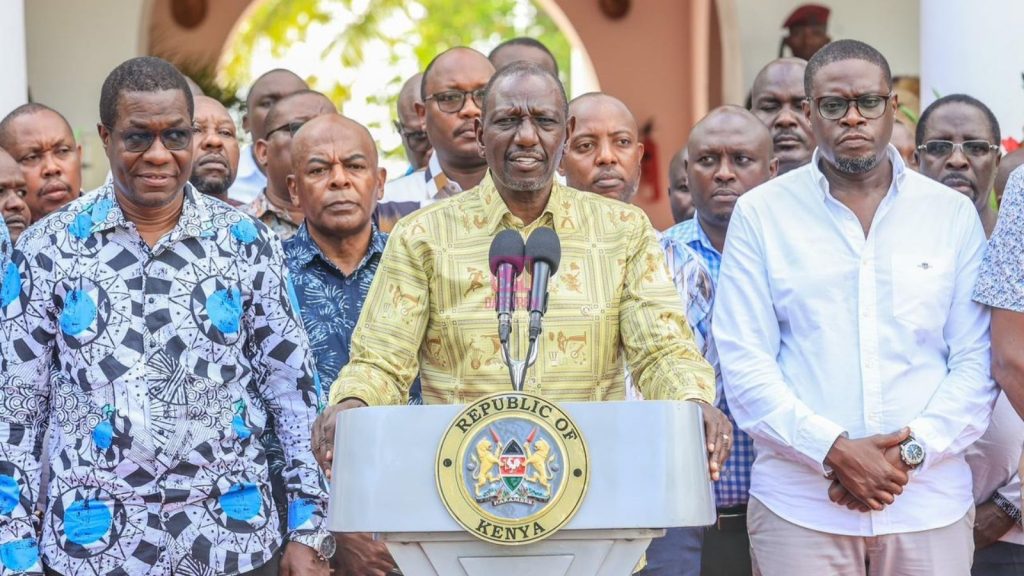
President William Ruto has directed the National Transport and Safety Authority (NTSA) to immediately halt its crackdown on matatu graffiti and suspend the controversial enforcement actions that had sparked widespread debate across Kenya’s public transport and creative communities. The directive comes as a major relief to Public Service Vehicle (PSV) operators, especially those running the vibrant “nganya” matatus, as well as artists who rely on matatu art as a source of livelihood and cultural expression.
The decision follows months of tension between regulators and PSV operators over what the NTSA described as non-compliant branding, excessive decorations, and safety concerns linked to heavily customized matatus. However, operators and creatives argued that the crackdown was threatening not just an industry, but a uniquely Kenyan cultural identity that has grown over decades.
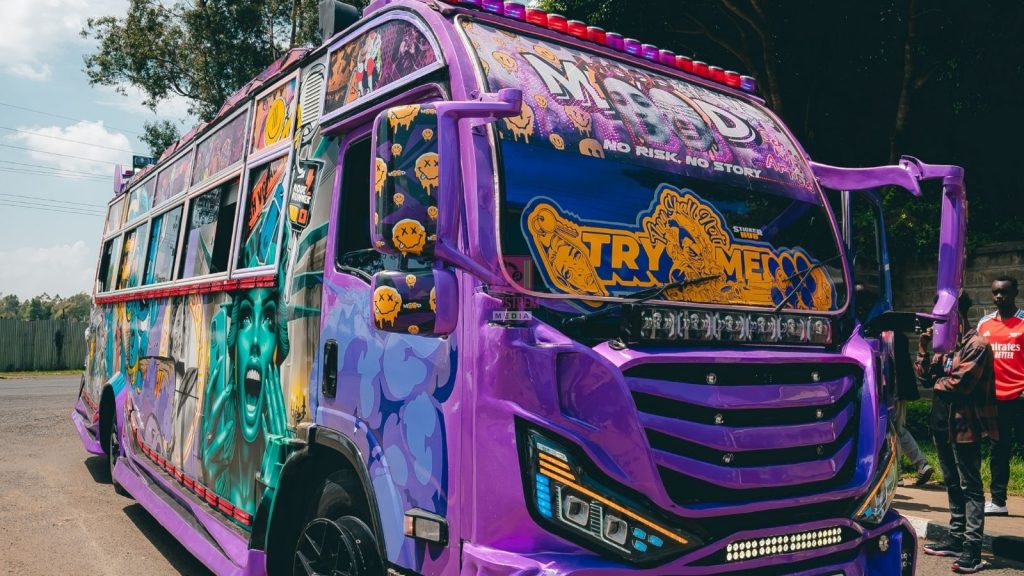
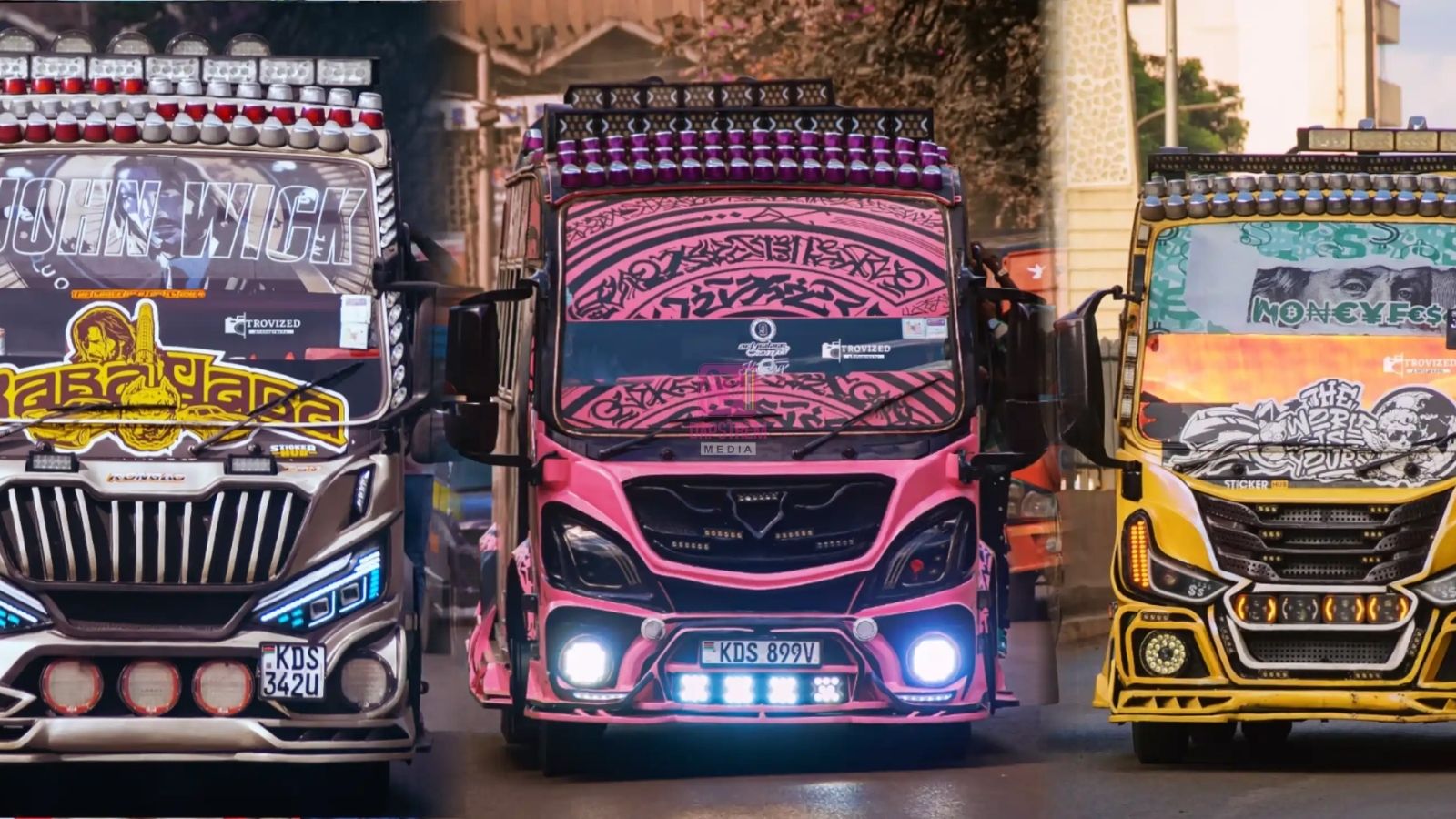
Matatu graffiti culture, widely known as “nganya culture,” is more than just decoration. It is a form of urban expression that blends art, music, fashion, and youth identity. Over the years, matatus in Nairobi and other major towns have transformed from simple commuter vehicles into moving art galleries, often featuring bold graffiti, neon lighting, sound systems, and themed designs inspired by pop culture, music icons, and social commentary.
The NTSA crackdown reportedly began intensifying in late 2024, when the authority moved to enforce stricter regulations on PSV branding and modifications. The agency cited concerns over passenger safety, road visibility, and standardization of public transport vehicles. During this period, several matatus were impounded or forced to remove artistic modifications that were deemed non-compliant with transport regulations.
The enforcement actions triggered immediate backlash from matatu SACCOs, artists, and youth groups who accused the regulator of targeting cultural expression without adequate consultation. Many operators argued that while safety is important, the crackdown was too broad and failed to distinguish between harmful modifications and artistic designs that do not interfere with vehicle operation.
Artists who specialize in matatu graffiti were among the hardest hit. For many young creatives, matatu art is not just a hobby but a source of income and recognition. Each customized matatu often represents weeks of work involving painting, interior design, lighting installation, and creative branding. The crackdown, they said, threatened to erase an entire informal creative economy that has helped thousands of young people earn a living.
The directive from President Ruto now halts these enforcement measures and signals a shift toward dialogue between regulators and industry stakeholders. According to the directive, NTSA is expected to pause its strict enforcement actions and engage PSV operators, artists, and SACCO representatives in structured consultations aimed at finding a balanced approach that preserves both road safety and cultural expression.
For matatu operators, the announcement is a major relief. The nganya industry plays a significant role in Kenya’s urban transport system, particularly in Nairobi, where matatus are the backbone of daily commuting for millions of residents. Beyond transportation, matatus are also a competitive business environment where operators invest heavily in branding to attract passengers in a crowded market.
The creative designs are not random. They often reflect youth culture, trending music, political commentary, and social identity. Some matatus are themed around hip-hop culture, others around football clubs, anime, or Kenyan pop stars. The interiors are equally expressive, with LED lighting, customized seats, and high-powered sound systems that turn the commute into an experience.
The crackdown had raised fears that this creative ecosystem was under threat of being standardized out of existence. Operators warned that strict enforcement could lead to job losses for artists, designers, welders, upholsterers, and sound technicians who depend on matatu customization projects.
While NTSA maintained that its actions were guided by safety regulations, critics argued that the authority had not clearly differentiated between unsafe modifications and harmless artistic expression. Some stakeholders pointed out that properly regulated graffiti and branding can coexist with safety standards if clear guidelines are developed.
The president’s directive now appears to be pushing the conversation toward that middle ground. Instead of outright bans or sudden enforcement actions, the government is expected to explore a regulatory framework that recognizes matatu art as part of Kenya’s urban culture while ensuring that vehicles remain safe, roadworthy, and compliant with transport laws.
The issue also touches on a broader national conversation about creative industries and informal economies in Kenya. Over the years, matatu culture has gained international attention, with foreign media and tourists often highlighting Nairobi’s matatus as one of the most unique transport cultures in the world. The bold designs and street art have even inspired exhibitions, documentaries, and fashion trends beyond Kenya’s borders.
For many young people, especially in urban centers, matatu graffiti represents opportunity, identity, and expression in a society where formal employment is limited. The suspension of the crackdown is therefore being seen not only as a transport policy shift but also as a recognition of the role creative industries play in economic empowerment.
However, challenges still remain. Regulators will need to define clear boundaries between artistic expression and safety compliance. Questions about visibility, distraction, structural modifications, and passenger security will likely remain central in upcoming consultations. Stakeholders are expected to engage in dialogue to establish standardized guidelines that protect both innovation and safety.
As the directive takes effect, matatu operators and artists are expected to resume customization projects that had been paused or scaled down due to fear of enforcement actions. In Nairobi estates and garages where nganyas are built, there is already renewed optimism that the iconic culture will continue evolving rather than being restricted.
Ultimately, the president’s intervention has temporarily defused a growing conflict between regulation and culture. Whether this leads to a long-term policy solution will depend on how well NTSA, operators, and creatives can work together to shape a framework that respects Kenya’s vibrant transport identity while ensuring order and safety on the roads.
For now, one thing is clear: the nganya culture—long seen as the heartbeat of Nairobi’s streets—has been given a new lease of life.