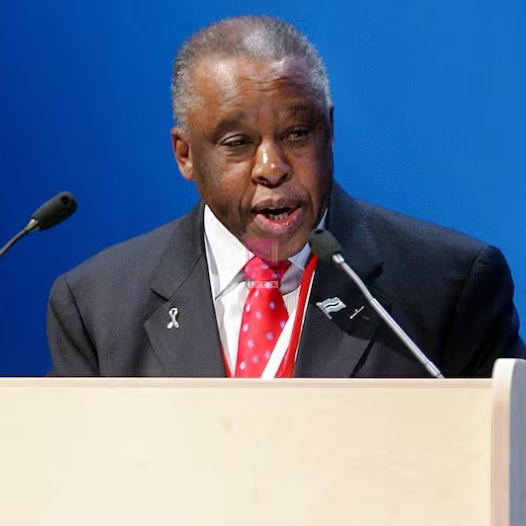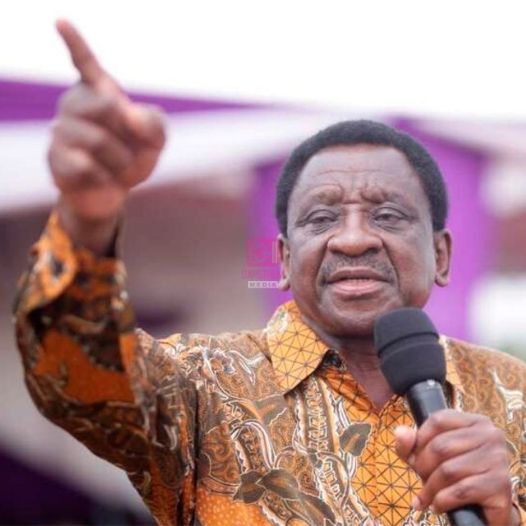

Amos Kimunya Retires from Active Politics After Decades of Public Service
Former Finance Minister Amos Kimunya has officially announced his retirement from active politics, marking the end of a long and influential career in Kenya’s public service. Kimunya stated that he believes he has already fulfilled his contribution to the political sphere and now wishes to step aside after decades of service in government, Parliament, and key economic policy roles. His exit closes a significant chapter in Kenya’s political and economic history, particularly in the areas of public finance management and infrastructure development.
Amos Muhinga Kimunya is widely recognized as one of Kenya’s long-serving technocrats-turned-politicians, having played a major role in shaping fiscal policy during some of the country’s most critical economic periods. Over the years, he has held several powerful positions, most notably serving as Minister for Finance, a role in which he was responsible for national budgeting, economic planning, and fiscal policy direction. During his tenure, he was deeply involved in shaping government expenditure frameworks and guiding Kenya through periods of economic reform and restructuring.
Before rising to national prominence, Kimunya built his foundation in public administration and land management. He trained as a surveyor and worked in various capacities within the Ministry of Lands, where he gained experience in land policy and administration—an area that would later become central to his political journey. His technical background helped position him as a policy-oriented leader, especially in matters relating to economic planning and infrastructure.
Kimunya’s political career gained momentum when he entered elective politics and became Member of Parliament for Kipipiri Constituency. From there, he steadily rose through the ranks of government due to his reputation as a disciplined and detail-oriented administrator. His appointment to Cabinet positions reflected the trust successive administrations placed in his ability to manage complex economic portfolios.
One of the most defining moments in his career came when he was appointed Minister for Finance. In this role, Kimunya oversaw the national budget and was at the center of major economic decisions affecting taxation, public spending, and development financing. His tenure was marked by efforts to stabilize government expenditure and improve revenue collection systems. However, like many high-profile political careers, his time in office was also accompanied by controversy and political pressure, which eventually led to his exit from the Treasury docket.
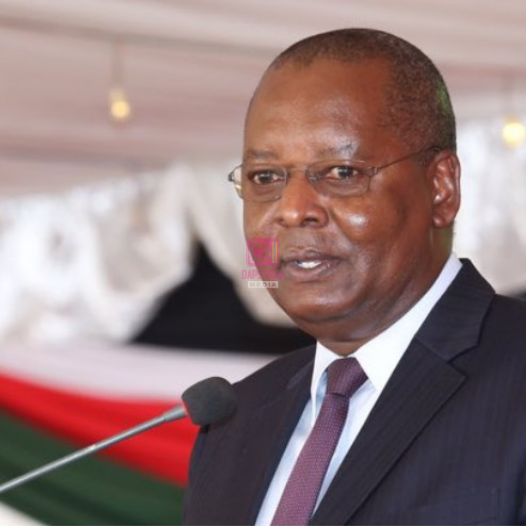
Despite the challenges, Kimunya remained an influential figure in government and later returned to Cabinet service in different capacities, including roles in transport and infrastructure-related ministries. His experience in both economic policy and infrastructure development allowed him to contribute to key national projects, including road expansion and modernization initiatives aimed at improving connectivity across the country.
Beyond Cabinet positions, Kimunya also served as a senior leader within Parliament, where he played an active role in legislative debates, particularly those involving finance bills, budget approvals, and governance reforms. His long parliamentary career gave him a platform to influence national policy from both the executive and legislative sides of government.
Throughout his public life, Kimunya was often regarded as a policy-focused leader rather than a populist politician. His supporters have credited him with bringing a technocratic approach to governance, emphasizing planning, accountability, and structured economic management. Critics, however, have also pointed to moments of political controversy that shaped public perception of his leadership style.
His retirement announcement comes at a time when Kenya is witnessing a gradual transition of its long-serving political figures, with many veterans stepping aside to make way for younger leaders. This generational shift is reshaping the political landscape as new voices emerge in both national and county governments.
In his remarks, Kimunya reflected on his long service in public office, indicating that he feels satisfied with the role he has played in shaping Kenya’s development agenda. He emphasized that leadership is about knowing when to serve and when to step aside, suggesting that his decision is guided by a desire to allow new leadership to take charge of the country’s future direction.
Political analysts note that Kimunya’s retirement marks the end of an era for a class of leaders who were deeply involved in Kenya’s economic reforms during the early 2000s and 2010s. His departure is likely to be felt most strongly in policy circles, where his experience in public finance and governance has been a reference point for many years.
As he exits active politics, Kimunya leaves behind a legacy shaped by decades of service in various arms of government—spanning land administration, parliamentary leadership, Cabinet service, and national economic planning. His journey reflects the evolution of Kenya’s political and economic systems over time, as well as the challenges and responsibilities that come with high public office.
While he may be stepping away from active politics, his influence and contribution to Kenya’s governance history will remain part of the country’s political narrative for years to come.