Former Botswana President Festus Mogae Dies at 86 After Illness: A Legacy of Stability, Reform, and Economic Transformation
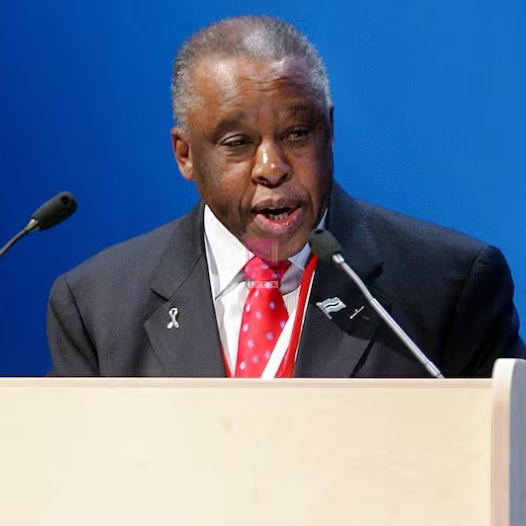
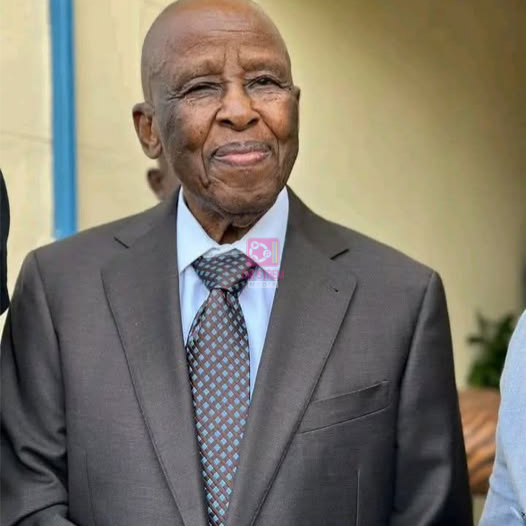
Former Botswana President Festus Mogae has died at the age of 86 after battling illness for some time, marking the end of a remarkable life that played a defining role in shaping modern Botswana. His passing was confirmed on May 8, 2026, bringing an outpouring of tributes from across Africa and beyond, as leaders, citizens, and global institutions reflected on his decades of service, calm leadership style, and deep commitment to national development.
Mogae, who served as Botswana’s third president from 1998 to 2008, is widely remembered as one of Africa’s most respected technocratic leaders. He succeeded President Quett Masire and later handed over power to Ian Khama, completing a peaceful democratic transition that strengthened Botswana’s reputation as one of Africa’s most stable democracies.
Born on August 21, 1939, in Serowe, Botswana, Festus Gontebanye Mogae built his early career in economics and public administration. He studied at the University of Oxford and later at the University of Sussex, where he developed strong expertise in economics and public finance. This academic background heavily influenced his governance style, which was marked by fiscal discipline, evidence-based policymaking, and a strong focus on long-term national planning.
Before becoming president, Mogae held several key positions in government, including Governor of the Bank of Botswana and Permanent Secretary in the Ministry of Finance. These roles placed him at the center of Botswana’s economic transformation during the post-independence era, particularly as the country began to benefit significantly from diamond revenues.
When he assumed the presidency in 1998, Botswana was already considered a success story in Africa due to its steady economic growth and political stability. However, Mogae’s leadership took that foundation further. One of his most defining achievements was his strong and early response to the HIV/AIDS crisis, which had severely affected Botswana in the late 1990s and early 2000s.
At a time when stigma and denial were widespread across the continent, Mogae took a bold and scientifically driven approach. His government launched one of Africa’s most comprehensive HIV/AIDS treatment programs, including free antiretroviral therapy, nationwide awareness campaigns, and partnerships with international health organizations. This initiative saved countless lives and became a global model for public health response in developing countries.
Economically, Mogae continued strengthening Botswana’s prudent management of diamond revenues. He maintained strict fiscal policies that ensured savings were invested for future generations through sovereign wealth structures. Under his leadership, Botswana consistently recorded economic growth while avoiding the debt crises that affected many other resource-rich African nations.
He also emphasized good governance, transparency, and anti-corruption measures. His administration was widely regarded for its low levels of corruption compared to regional standards, contributing to Botswana’s strong international reputation and investor confidence.
Beyond economics and health, Mogae also supported education reform, infrastructure development, and regional cooperation within the Southern African Development Community (SADC). He was known for his calm leadership style, often preferring consensus-building over confrontation.
In recognition of his contributions, he received numerous international honors, including the Ibrahim Prize for Achievement in African Leadership in 2008, which is awarded to former African heads of state who demonstrate excellence in governance and democracy. He also served in global advisory roles after leaving office, including work with the United Nations on development and climate-related issues.
Mogae’s death at 86 marks the end of an era for Botswana, a country often cited as a model of stability in Africa. Tributes have highlighted his humility, intellect, and unwavering commitment to public service. Many leaders have described him as a “quiet reformer” who prioritized results over rhetoric.
As Botswana mourns its former president, his legacy remains deeply embedded in the country’s institutions—from its strong economic foundations to its public health systems and democratic traditions. Festus Mogae leaves behind not only a record of leadership but also a blueprint for responsible governance in Africa.
His life story continues to stand as a reminder that steady, disciplined leadership can transform a nation without noise, but with lasting impact.