
The Brazilian Wandering Spider: One of the World’s Most Venomous Arachnids with a Shockingly Unusual Medical Effect
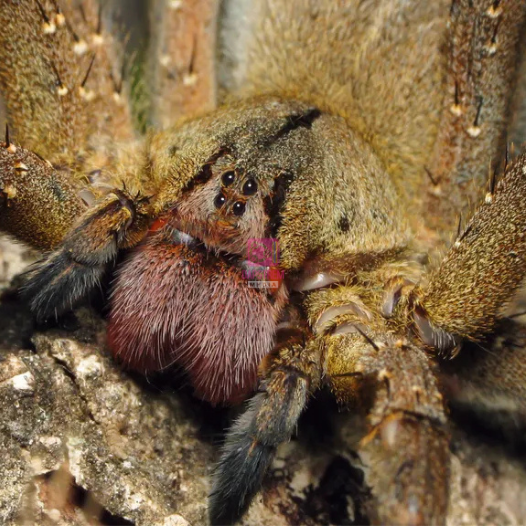
Deep within the tropical forests of South and Central America lives a creature that has earned both fear and scientific fascination in equal measure. The Brazilian wandering spider is widely regarded as one of the most venomous spiders in the world. Unlike many spiders that stay hidden in webs, this one is an active hunter—constantly moving across the forest floor at night in search of prey, which is how it earned its “wandering” name.
What makes this spider especially notorious is not just its aggression or size, but the unique and powerful effects of its venom on the human body. In rare bite cases involving humans, symptoms can range from extreme pain and sweating to muscle paralysis, breathing difficulties, and in severe situations, death if medical treatment is not administered quickly.
However, one of the most unusual and widely discussed effects of its bite is something far less expected: priapism, a medical condition where a person experiences a prolonged and often painful erection that can last for hours. This condition is not pleasurable and can become a medical emergency if not treated promptly.
How the Venom Affects the Human Body
The venom of the Brazilian wandering spider is a complex mix of neurotoxins that directly interfere with the nervous system. Instead of simply causing local pain like many spider bites, its toxins disrupt the way nerves communicate with muscles and blood vessels.
When the venom enters the bloodstream, it can overstimulate the release of certain chemical messengers in the body. This includes nitric oxide pathways that regulate blood flow. In some male victims, this disruption leads to excessive blood flow to the penile tissue, resulting in priapism.
At the same time, the victim may experience intense burning pain at the bite site, full-body sweating, rapid heartbeat, nausea, and muscle cramps. In more severe cases, respiratory muscles can be affected, making breathing difficult without urgent medical support.
While the idea of a “painful erection” often circulates in viral stories, the reality is far more serious. Priapism is a dangerous condition because prolonged oxygen deprivation in penile tissue can lead to permanent damage if not treated quickly in a hospital setting.
A Spider That Hunts Instead of Waiting
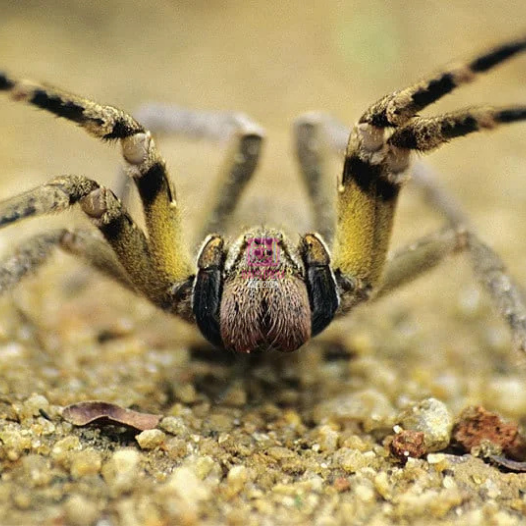
Unlike web-building spiders, the Brazilian wandering spider is highly active and aggressive when threatened. It does not wait for prey to fall into a trap. Instead, it actively roams forest floors, banana plantations, and sometimes even human settlements at night.
This behavior is one reason it occasionally comes into contact with humans, especially in rural areas or when it hides in transported goods like fruit shipments. Because of this, it is sometimes called the “banana spider,” although it is unrelated to other harmless spiders commonly found in banana plants.
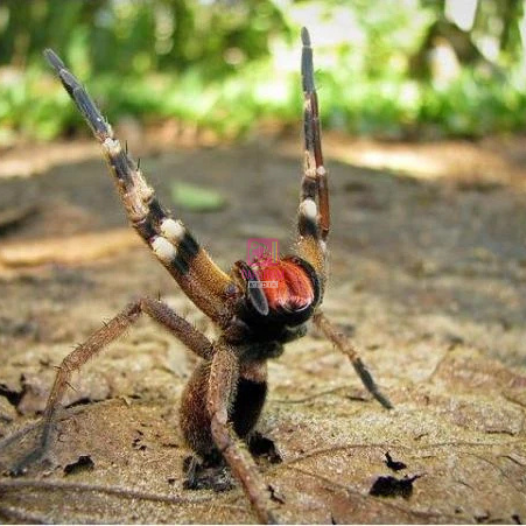
When threatened, it raises its front legs and displays a defensive posture, often biting multiple times if it feels cornered. Its venom is primarily designed for hunting insects and small animals, but in humans, it becomes a dangerous biological weapon due to differences in physiology.
Why Scientists Are Interested in Its Venom
Despite its fearsome reputation, the venom of the Brazilian wandering spider has attracted significant scientific attention. Researchers have studied it not only to understand its toxicity but also to explore its medical potential.
One of the most intriguing discoveries is its impact on blood circulation. Because the venom can influence vascular activity and nerve signaling, scientists have investigated whether its components could be used in developing treatments for erectile dysfunction.
Certain compounds derived from the venom have shown potential in stimulating blood flow in controlled medical settings. However, this does not mean the venom itself is safe or usable in its raw form. In fact, it remains highly dangerous and must be studied carefully in laboratories.
Encounters, Myths, and Real-World Risks
Over the years, the Brazilian wandering spider has been surrounded by myths and exaggerated stories online, some of which portray it as a “killer spider” that always causes fatal outcomes. In reality, while its bite can be medically serious, deaths are rare thanks to modern antivenom and prompt medical care.
Most recorded bite cases occur when the spider is accidentally disturbed—such as when it hides in shoes, clothing, or household items. This is why in regions where it is found, people are often advised to check items before using them, especially in rural environments.
The spider’s reputation has also been amplified by its unusual medical effects, particularly priapism, which makes it stand out in the world of venomous creatures. However, scientists emphasize that its venom is primarily a defensive and hunting tool, not an “intentional” mechanism to affect humans in such specific ways.
A Creature of Fear and Scientific Value
The Brazilian wandering spider remains a powerful reminder of how complex and unpredictable nature can be. It is both feared for its potency and respected for its biological uniqueness. While its venom can be dangerous, it has also opened doors for medical research that could one day benefit human health in unexpected ways.
This spider represents a balance between danger and discovery—a living example of how even the most feared creatures in nature can hold secrets that contribute to science and medicine.