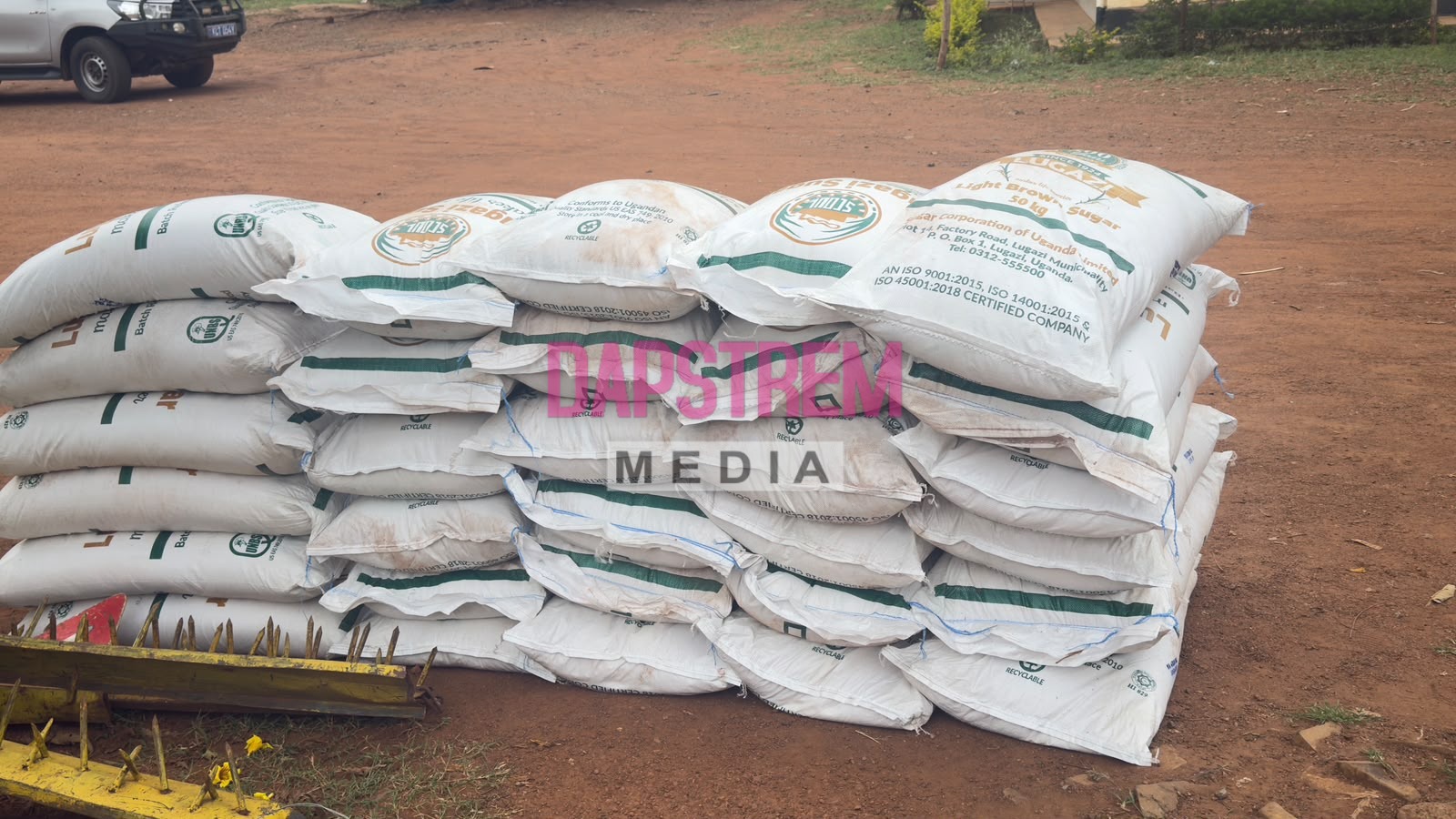
KRA Seizes 46 Tonnes of Suspected Smuggled Sugar in Lodwar as Crackdown Extends to Kakamega
The Kenya Revenue Authority (KRA) has intensified its crackdown on suspected sugar smuggling after intercepting approximately 46 tonnes of sugar in Lodwar, Turkana County, in an intelligence-led operation targeting the illegal movement of goods into the country.
The operation, conducted in the early hours of Thursday, October 8, 2026, resulted in the seizure of two lorries transporting 920 bags of sugar. Each bag weighed 50 kilogrammes, bringing the total consignment to approximately 46,000 kilogrammes.
According to KRA, the intercepted sugar has an estimated tax implication of Sh9.73 million. The authority said the revenue could have been lost to the government had the consignment entered the local market without the required customs procedures and payment of applicable taxes.
The Lodwar operation was part of a wider enforcement campaign that also saw officers intercept additional consignments of suspected smuggled sugar in Kakamega County.
The latest seizures highlight the authorities’ growing concern over the illegal movement of sugar through Kenya’s border routes and the potential impact of the trade on government revenue, legitimate businesses and the country’s sugar industry.
KRA said preliminary investigations indicated that the sugar seized in Lodwar had entered Kenya from Moroto, Uganda, through the Nadapal border corridor without payment of the applicable taxes or compliance with the required customs procedures. The authority did not indicate that the suspected smuggling had been established through a final court determination.
The seizures demonstrate the continued challenge facing customs officers as they attempt to monitor goods moving through border areas and other transport routes used to distribute products across the country.
Sugar is a high-demand commodity in Kenya. It is purchased by households, retailers, hotels, restaurants, bakeries and food manufacturers. Its consistent demand makes it an attractive product for traders, but it can also create opportunities for illegal imports when smugglers seek to avoid taxes and other regulatory requirements.
For KRA, the latest operation is therefore about more than confiscating sugar. It is also about preventing revenue losses and disrupting the networks that facilitate the movement of goods outside the country’s customs system.
Two Lorries Intercepted in Lodwar
The Lodwar operation was carried out by KRA’s Investigation and Enforcement Team at approximately 2am on Thursday.
Officers intercepted two lorries carrying sugar branded KALIRO. Each vehicle was transporting 460 bags, with every bag weighing 50 kilogrammes.
Together, the vehicles carried 920 bags weighing approximately 46 tonnes.
The consignment was suspected to have been smuggled from Uganda through the Nadapal corridor. Investigators are expected to establish the circumstances under which the goods entered the country and identify the individuals or businesses connected to their transportation and intended distribution.
KRA estimated the tax implication of the consignment at Sh9.73 million, making the seizure a significant interception in the authority’s efforts to protect public revenue.
The amount represents the estimated tax exposure associated with the goods rather than money already recovered through the seizure.
The operation also highlights the importance of intelligence gathering in customs enforcement. Rather than relying exclusively on routine inspections, authorities can use information about suspected illegal movements to identify consignments and intercept them before they reach their destinations.
However, the challenge extends beyond stopping individual lorries.
Once suspected contraband enters the country, it can be transported through several towns before reaching wholesalers, retailers and consumers. Investigators must therefore establish not only who was transporting the goods but also where they originated, who arranged the movement and who was expected to receive them.
Tracing these connections can help authorities distinguish individual transporters from the wider commercial networks that may be involved in the illegal trade.
KRA has said it is strengthening surveillance along border routes and other corridors vulnerable to the movement of high-demand commodities such as sugar. The Lodwar seizure is one example of how enforcement teams are attempting to disrupt those routes.
More Suspected Smuggled Sugar Intercepted in Kakamega
While the Lodwar operation attracted attention because of the large quantity involved, KRA also reported two separate interceptions in Kakamega County.
In one operation, enforcement officers intercepted a Probox carrying 30 bags of brown sugar. Each bag weighed 50 kilogrammes, bringing the total weight to 1,500 kilogrammes, or 1.5 tonnes.
The consignment was valued at approximately Sh1.524 million.
Officers escorted the vehicle to Matungu Police Station, where the vehicle and the seized sugar were detained.
The interception formed part of the authority’s efforts to prevent suspected uncustomed goods from being distributed through local markets.
In a separate incident along Mumias Road in Matungu, officers pursued a lorry suspected of transporting smuggled sugar after its driver allegedly failed to stop for a compliance check.
According to the reported account, the driver accelerated instead of stopping, prompting enforcement officers to pursue the vehicle.
The driver and two other occupants later abandoned the lorry and fled on foot. Police officers managed to apprehend one suspect, who was taken into custody to assist with investigations.
An inspection of the abandoned vehicle established that it was carrying 100 bags of sugar, each weighing 50 kilogrammes. The consignment therefore weighed approximately five tonnes and was valued at about Sh500,000.
KRA estimated the taxes at risk from that consignment at approximately Sh3 million.
The circumstances surrounding the pursuit point to the difficulties enforcement teams can face when suspected illegal goods are being transported. Officers must not only identify the goods but also safely intercept vehicles and secure the evidence needed for further investigations.
The arrest of one suspect could help investigators establish the circumstances surrounding the transportation of the consignment. However, responsibility for any offence must be determined through the appropriate legal process.
Taken together, the two Kakamega interceptions involved 130 bags of sugar weighing approximately 6.5 tonnes. The reported value of the two consignments was about Sh2.024 million.
The operations demonstrate that suspected sugar smuggling is not limited to one border area. Enforcement authorities are also monitoring inland transport routes where goods may be moved towards distribution centres and local markets.
How Sugar Smuggling Affects Government Revenue
One of the main concerns raised by the latest seizures is the potential loss of government revenue.
Imported goods are generally subject to applicable customs procedures and taxes. When goods enter the country without the required declarations or payments, the government risks losing revenue that would otherwise support public services and national development.
In the Lodwar case, KRA estimated the tax implication at Sh9.73 million. It also estimated approximately Sh3 million in taxes at risk from the lorry intercepted along Mumias Road.
These figures illustrate the financial stakes involved in customs enforcement.
The total tax exposure reported for the three interceptions is significant, although the figures should be treated as estimates rather than confirmed amounts recovered by the government.
When illegal traders avoid taxes, they may gain a price advantage over businesses that comply with the law. Legitimate importers must account for applicable duties, taxes, transport costs and other regulatory expenses.
Traders who bypass those obligations may be able to sell their products at lower prices, depending on their costs and distribution arrangements.
This creates an uneven playing field.
Businesses that follow the law may find it difficult to compete with traders who avoid their tax obligations. Over time, that pressure can undermine compliance and encourage further attempts to evade taxes.
For this reason, KRA’s enforcement operations are intended to protect both government revenue and businesses operating within the law.
The authority has warned that transporting, distributing or selling uncustomed goods can lead to the seizure of the goods and vehicles, financial penalties and possible prosecution.
These consequences are intended to discourage illegal trade and make it more difficult for smuggling networks to operate profitably.
The Impact on Kenya’s Sugar Industry
The latest seizures also come amid broader concerns about the effects of illegal sugar imports on Kenya’s sugar industry.
Sugar production supports farmers, millers, transporters, distributors and other businesses across the country. In western Kenya, sugarcane farming is an important source of income for many households.
Farmers invest time and money in preparing their land, planting cane, maintaining their crops and harvesting them for delivery to mills. Their earnings depend partly on the demand for locally produced sugar and the ability of millers to process and sell their products.
When suspected illegal imports enter the market, they can complicate competition for legitimate suppliers.
If such sugar is sold at prices made possible by avoiding taxes and customs requirements, compliant traders and domestic producers may face additional pressure. The actual impact depends on the quantities involved, market prices, supply conditions and how the goods are distributed.
The broader concern is that persistent smuggling can weaken confidence in the market and undermine efforts to create a fair trading environment.
Kenya’s sugar industry has faced longstanding challenges, including production costs, factory performance, competition and the need to improve efficiency. Tackling illegal imports is one part of addressing those difficulties, although it cannot solve every problem affecting farmers and millers.
Authorities must also ensure that legal imports follow the correct procedures and that domestic producers can compete through improved productivity and efficient operations.
The latest KRA operations therefore carry significance beyond the immediate value of the seized sugar. They form part of a wider effort to ensure that goods entering and circulating within the country comply with the law.
Why Border Surveillance Matters
Kenya shares borders with several countries and relies on road networks to move goods between border communities, towns and major commercial centres.
These routes support legitimate regional trade and provide livelihoods for many people. However, authorities must also monitor them to prevent the movement of prohibited, undeclared or improperly taxed goods.
The reported movement of sugar from Moroto through Nadapal highlights the role border corridors can play in the transportation of commodities.
Effective enforcement requires cooperation among customs officers, police and other relevant agencies. It also requires intelligence, vehicle inspections, proper documentation and investigations that can identify the people responsible for organising illegal movements.
Seizing a consignment is an important first step, but it is not always enough to dismantle the network behind it.
Investigators may need to establish the source of the goods, the route used, the intended recipients and whether similar consignments have been moved previously.
They must also preserve evidence and follow the legal procedures required to pursue any suspected offences.
KRA has encouraged members of the public to report suspected smuggling and tax evasion through its established reporting channels. Information from people who witness suspicious activity may help investigators identify routes, vehicles or patterns that require closer scrutiny.
At the same time, enforcement must distinguish between genuine illegal activity and legitimate cross-border trade. Traders should be able to move lawful goods through established procedures without unnecessary disruption.
The goal is to make illegal trade harder while allowing compliant businesses to operate efficiently.
What Happens to the Seized Sugar?
The immediate priority following an interception is to secure the goods and any relevant evidence while investigations continue.
The reported Kakamega consignments were detained at Matungu Police Station alongside the vehicles involved. The Lodwar seizure was also reported as part of KRA’s customs enforcement operation.
Further action will depend on the findings of the investigations and the applicable legal procedures.
Authorities may seek to establish ownership, determine whether taxes and customs requirements were violated and identify the people responsible for the consignments.
Where an offence is established, the law provides for consequences that may include penalties, seizure of goods or vehicles and prosecution.
It is important, however, to distinguish suspicion from a final legal finding. The consignments were reported as suspected smuggled sugar, and the investigations must establish the relevant facts before responsibility is determined.
The enforcement process also serves as a warning to traders and transporters that moving goods without the required documentation can expose them to significant financial and legal risks.
Businesses handling imported commodities should therefore ensure that their transactions are properly documented and that the relevant customs obligations have been met.
KRA Steps Up the Fight Against Illegal Trade
The latest seizures reinforce KRA’s message that it intends to strengthen enforcement against the illicit movement of goods.
The authority has said it is increasing surveillance along vulnerable border routes and other transport corridors, particularly those used to move high-demand commodities.
This approach will require continued coordination between intelligence teams, customs officers, police and businesses that handle imported products.
It will also require enforcement operations to be followed by effective investigations and appropriate legal action where offences are established.
For the government, the objective is to protect the tax base and ensure that traders do not gain an unfair advantage by avoiding statutory obligations.
For compliant businesses, the crackdown could help create a more level playing field.
For farmers and other participants in the local sugar industry, consistent enforcement may help limit competition from goods that enter the market outside the established customs system.
But sustained progress will depend on more than occasional seizures. Authorities will need to identify and disrupt the networks behind illegal consignments while improving monitoring and encouraging compliance throughout the supply chain.
The public also has a role to play by reporting suspected illegal activity and buying goods from credible suppliers.
Ultimately, the Lodwar and Kakamega operations show the financial and commercial importance of customs enforcement in Kenya.
The 46 tonnes intercepted in Lodwar alone carried an estimated tax implication of Sh9.73 million, while the additional Kakamega interceptions brought the crackdown to several consignments across two counties.
The seizures represent a significant enforcement action, but the wider test will be whether investigations lead to the disruption of the networks responsible for moving suspected contraband.
As KRA continues its operations, traders and transporters will face renewed pressure to ensure their goods comply with customs requirements.
The message from the authority is clear: suspected illegal trade will be targeted, and those found to have violated the law risk losing their goods, facing financial penalties or being prosecuted.
For Kenya, the challenge is to maintain that enforcement consistently while protecting legitimate trade, supporting local industry and ensuring that public revenue is not lost through customs evasion.