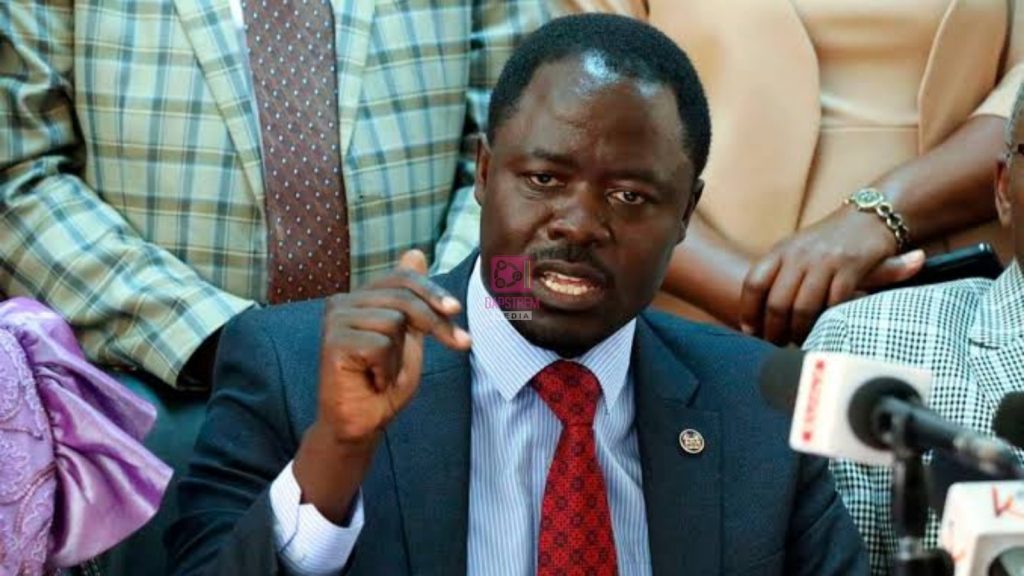
The National Cohesion and Integration Commission (NCIC) has summoned Homa Bay Town Member of Parliament Peter Kaluma to appear before it over remarks in which he allegedly called for action against people supporting a “one-term” political campaign against President William Ruto.
Kaluma faces scrutiny as NCIC probes remarks that could fuel political tensions in Homa Bay.
Kaluma is required to appear before the commission in Nairobi on Wednesday, August 19, 2026, to assist with investigations into remarks he allegedly made during a political gathering in Homa Bay on August 15. The summons carries a warning that failure to appear could result in a warrant of arrest and possible criminal or contempt proceedings.
According to the NCIC, Kaluma, speaking in Luo, allegedly told a gathering that people advocating a one-term presidency should be “dealt with”. He is also accused of targeting individuals who had worked with the political opposition, saying those unwilling to support his side should “disappear”
The commission said Kaluma’s remarks could undermine national cohesion and fuel political tensions in the region. He is expected to appear before the NCIC and explain the context of the statements as investigations into the matter continue.
The commission further cited remarks in which the MP allegedly threatened to inspect hotels and houses where members of the opposing political camp had booked accommodation. Hotel owners, according to the alleged remarks, would be required to disclose the identities of their guests and could themselves face consequences. Kaluma also reportedly said he had provided fuel for youths to move around Homa Bay and Rodi.
The summons has come at a particularly sensitive moment in Homa Bay, following violent clashes that disrupted the Linda Mwananchi political tour on Sunday, August 16. The violence left several people dead and dozens injured, according to reports, while vehicles were torched and property damaged. A police officer and a Ugandan woman were among those initially reported dead, while dozens of people sustained injuries, including gunshot and machete wounds.
The National Police Service subsequently announced the arrest of dozens of people believed to have been involved in the unrest. Police said those arrested included individuals found carrying crude weapons, as investigations continued into the organisers and other actors behind the violence.
The timing of the NCIC summons has therefore intensified scrutiny of political rhetoric in Homa Bay and the broader preparations for the 2027 General Election. Critics argue that statements appearing to threaten political opponents can contribute to an atmosphere in which supporters feel justified in using intimidation or violence. The commission’s investigation will be important in establishing whether Kaluma’s remarks breached Kenya’s laws on hate speech, incitement or other prohibited conduct.
The NCIC derives its mandate from the National Cohesion and Integration Act, which establishes a framework for promoting equality, good relations, harmony and peaceful coexistence in Kenya. The law also provides mechanisms for addressing discriminatory and inflammatory conduct that threatens national cohesion.
Kaluma’s summons also places renewed attention on the responsibility of elected leaders during an increasingly charged political season. With the 2027 election approaching, politicians are under pressure to mobilise supporters while avoiding language that could inflame tensions or encourage confrontation.
The investigation does not, however, amount to a finding of guilt against Kaluma. The MP will have an opportunity to respond to the allegations and explain the context and meaning of his remarks when he appears before the commission.
The episode has nevertheless raised a broader question about the limits of political mobilisation in Kenya. As rival camps compete for support, the authorities face growing pressure to ensure that political disagreements remain within democratic and lawful boundaries.
For Homa Bay, still dealing with the aftermath of the recent violence, the NCIC inquiry will test whether inflammatory political speech will be treated with the seriousness demanded by Kenya’s legal framework and whether leaders on all sides can help prevent a repeat of the violence witnessed during the weekend.