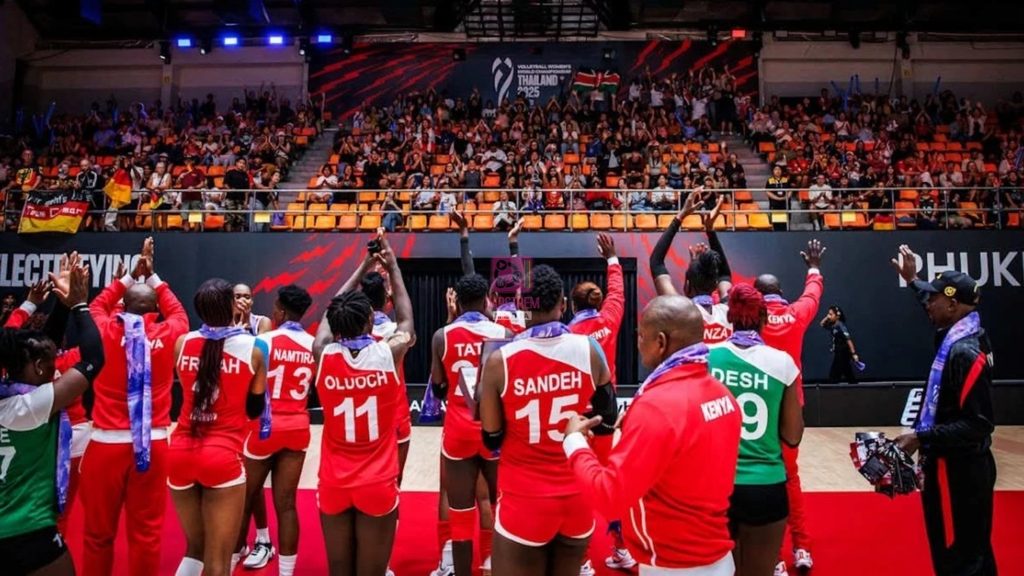
The Malkia Strikers begin one of the most important campaigns in their history on Tuesday as Kenya hosts the 2026 CAVB Women’s African Nations Volleyball Championship, with the continental title carrying a prize far bigger than silverware: a direct ticket to the 2028 Los Angeles Olympic Games.
The tournament runs from August 25 to September 4 at Nairobi’s Kasarani Indoor Arena and Ulinzi Sports Complex, bringing together 16 of Africa’s leading women’s volleyball nations. For Kenya, the mission is clear retain the African crown on home soil and book an early place at LA28.
The stakes do not end with Olympic qualification. The top three teams in the final standings will also qualify for the 2027 FIVB Women’s Volleyball World Championship, making the Nairobi tournament a rare opportunity for teams to secure two major international berths from one competition.
Malkia strikers carries the weight of expectation
Kenya enters the championship as defending champion and the most successful team in the history of the African women’s competition, having won the continental title 10 times.
The Malkia Strikers claimed their most recent crown in 2023, defeating Egypt 3-0 in the final in Yaoundé, Cameroon. They now have the opportunity to make it 11 titles and do so in front of a home crowd.
That combination of pedigree and home advantage has made Kenya one of the leading favourites.
Head coach Geoffrey Omondi has set the objective plainly: Kenya wants to retain the trophy while securing qualification for both the Olympics and the 2027 World Championship.
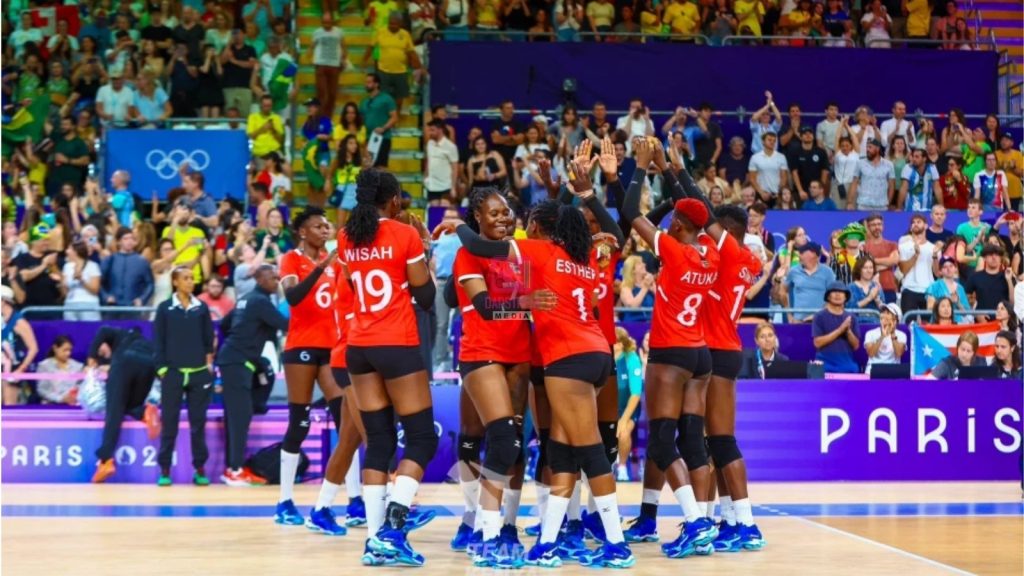
Omondi described the tournament as a “double-edged sword”, with one competition providing two qualification opportunities.
For a team that has established itself as Africa’s dominant women’s volleyball force, anything less than a serious title challenge would be considered a disappointment.
LA28 qualification changes the equation
The 2026 continental championships represent the first major opportunity for national volleyball teams to qualify for the Los Angeles Olympics under the new qualification system.
FIVB’s confirmed qualification pathway allocates five Olympic quota places in each gender competition through the continental championships, with one place going to the highest-ranked team at each of the five continental confederation championships.
For Africa, that means the winner in Nairobi will qualify directly for LA28.
The significance for Kenya cannot be overstated.
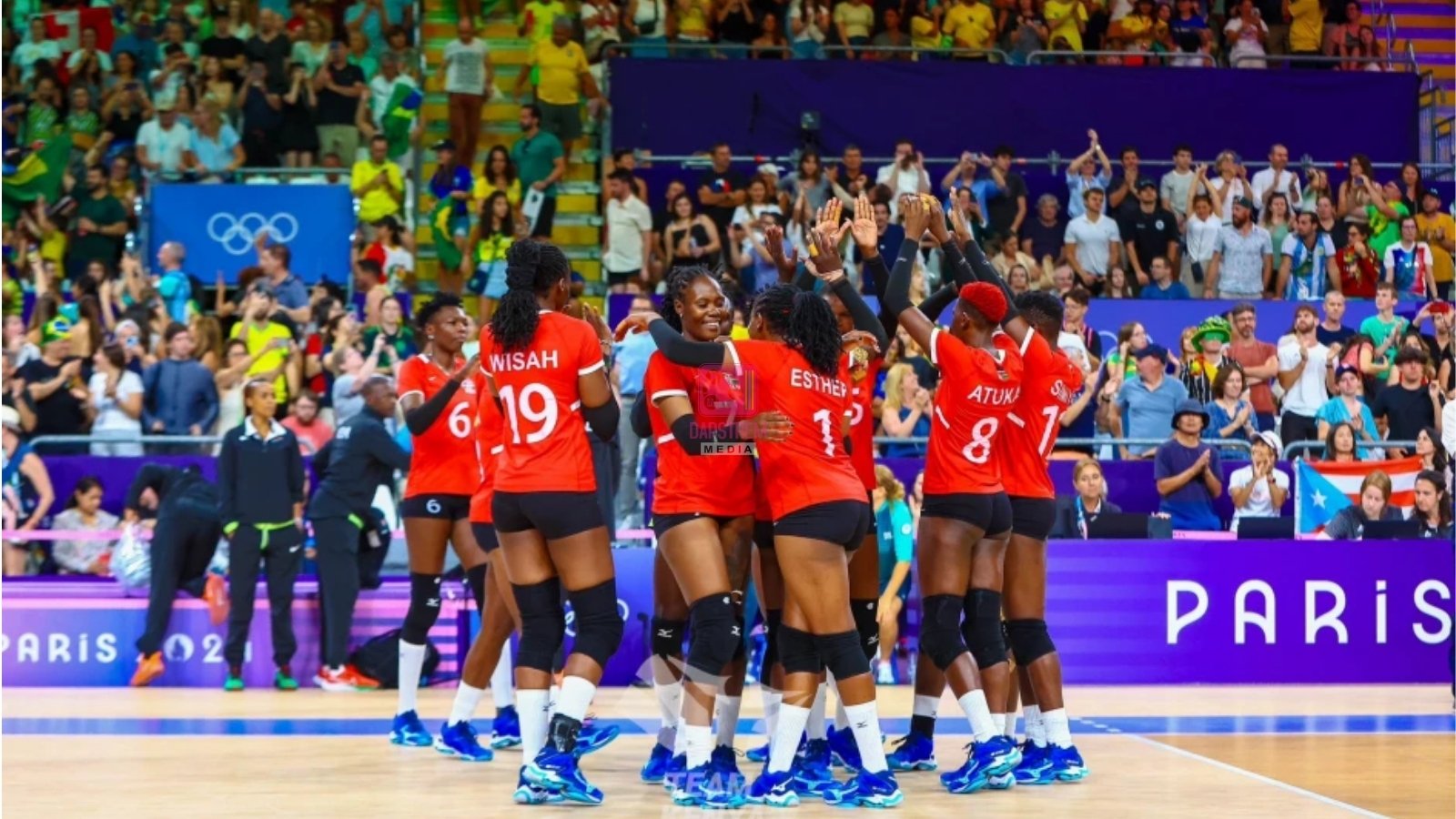
The Malkia Strikers missed the opportunity to advance beyond the preliminary stage at the Paris 2024 Olympics, where they faced a difficult pool containing Brazil, Poland and Japan. Returning to the Olympic stage in Los Angeles would therefore represent both a sporting achievement and an important opportunity to rebuild Kenya’s status among the world’s elite volleyball nations.
Rather than waiting until the final stages of the Olympic qualification cycle, Kenya can secure its place almost two years before the Games by winning its home continental championship.
A second prize: the 2027 World Championship
The championship also provides a direct route to the next FIVB World Championship.
The three highest-placed eligible teams in Nairobi will qualify for the 2027 tournament, meaning even teams that fail to win the continental title will have something substantial to play for.
That qualification system should make the latter stages of the competition particularly intense.
For Kenya, however, the ambition is considerably higher than simply finishing among the top three.
The Malkia Strikers want the African title, and with it the Olympic ticket.
Egypt and Cameroon provide the biggest threats
Kenya’s path to the title will not be straightforward.
Egypt and Cameroon are among the principal challengers, with both nations possessing considerable experience in African women’s volleyball. Tunisia also enters the competition after winning the Zone I Championship, while Algeria and Senegal have shown progress in recent international competitions.
The tournament also includes Zambia and the Democratic Republic of Congo, who qualified through their respective regional competitions.
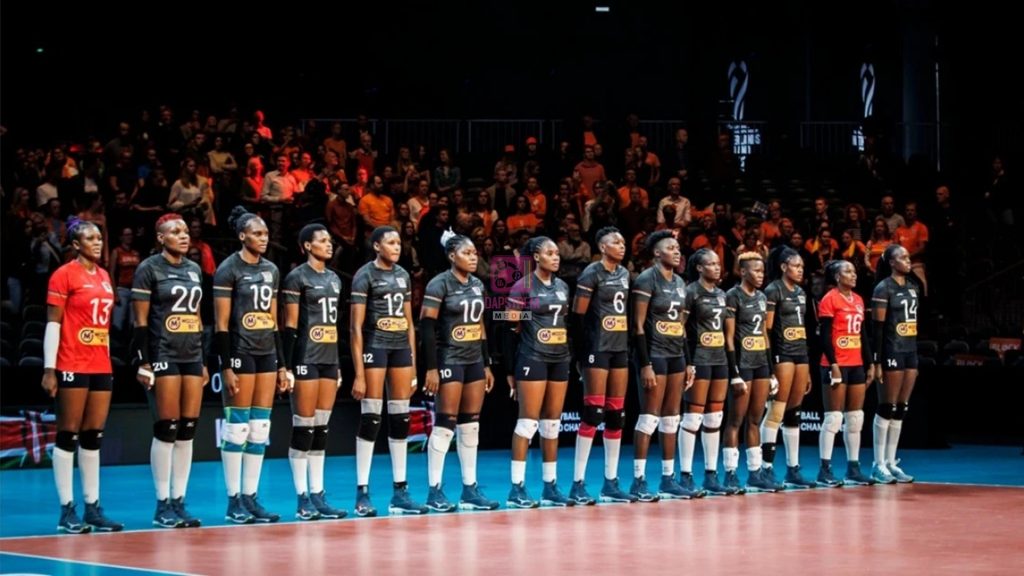
With 16 teams involved, Kenya will have to maintain its concentration throughout the tournament rather than relying solely on its reputation.
The format also means that every match carries significance. A poor start could complicate the route to the latter stages, while consistency will be crucial as the teams compete for both the continental crown and qualification places.
Home advantage could prove decisive
Playing in Nairobi gives Kenya an advantage that its rivals cannot replicate.
The Kasarani Indoor Arena and Ulinzi Sports Complex will provide the setting for the championship, allowing the Malkia Strikers to compete before a home audience while avoiding the travel demands faced by visiting teams.
The government has also publicly backed the team.
Sports Principal Secretary Elijah Mwangi challenged the Malkia Strikers to win an 11th continental crown and secure qualification for the major international competitions.
Sports Cabinet Secretary Salim Mvurya similarly urged the players to return the Kenyan flag with honour, expressing confidence that the team can win on home soil.
Such support reflects the significance attached to the tournament, but it also increases the pressure on the players.
Building on a strong volleyball tradition
Kenya’s dominance in African women’s volleyball has been built over decades.
The Malkia Strikers have consistently been among Africa’s strongest national teams and have represented the continent at multiple Olympic Games and World Championships.
Their development has also benefited from international support.
FIVB says Kenya has received USD597,000 through its Volleyball Empowerment programme since 2023, alongside equipment assistance worth USD98,000 through 2026. The programme provides support in areas including coaching, technical development and equipment.
That investment is part of a wider FIVB strategy aimed at strengthening national teams and developing volleyball across the globe.
Kenya’s continued presence at the highest level of African volleyball demonstrates the benefits of that long-term development, but the team now faces the challenge of translating its continental dominance into greater success on the Olympic stage.
A chance to make history at home
The timing could hardly be better for the Malkia Strikers.
They are defending champions, they are playing in Nairobi, and they have a direct Olympic qualification opportunity in front of them.
Winning the title would give Kenya an 11th African championship and secure a place at the Los Angeles Olympics. A top-three finish would at least guarantee participation at the 2027 World Championship.
But the Malkia Strikers know that home advantage alone will not win the tournament.
They will have to deal with the pressure of expectation, the quality of Egypt and Cameroon and the determination of 15 other teams chasing the same prize.
For Omondi’s squad, the challenge is therefore as much mental as it is technical.
Every serve, block, spike and defensive save could take Kenya closer to Los Angeles.
The road to Los Angeles starts now
The new Olympic qualification system has made continental championships more consequential than ever.
The United States already has a guaranteed women’s volleyball place as host nation. The remaining places will be decided through the continental championships, the 2027 World Championship and the FIVB World Ranking.
That makes Nairobi the beginning of Kenya’s road to LA28.
The Malkia Strikers have two targets in sight: defend their African crown and secure a return to the Olympic Games.
For a team accustomed to carrying Kenya’s volleyball hopes, this is another defining moment.
If they succeed, the reward will be more than another continental trophy. It will be an Olympic ticket earned on home soil and a powerful statement that Kenya remains the undisputed force in African women’s volleyball.